
 Dr. Rukumangada Acharya
 A Dvaita Vedānta Exploration – Article 19: Jño’ta Eva
By Dr. Rukumangada Acharya
In the infinite expanse of Sanātana Dharma, where the pursuit of tattva-jñāna (knowledge of reality) transcends the fleeting shadows of saṃsāra, the Brahmasutras emerge as a divine edifice, crafted by Śrī Vedavyāsa, the incarnation of Śrī Nārāyaṇa Himself. Within the Dvaita Vedānta sampradāya, as illuminated by the revered Āchārya Śrī Madhvāchārya, these 564 sūtras—recognized in this tradition due to specific textual divisions—are not mere intellectual constructs but sacrosanct revelations of the eternal truths governing existence. They proclaim the supremacy of Śrī Hari as Parabrahman, the Sarvottama (supreme among all), the reality of the jagat as His creation, and the irrevocable pañca-bheda (fivefold difference) that defines the relationship between jīva (individual soul), jagat (world), and Īśvara (the Supreme Lord).
This series, launched under the aegis of New Zealand Bharat News (NZB News), embarks on an ambitious odyssey to unravel the deep spiritual and hidden secrets of the Brahmasutras, guided by the authoritative bhāṣyas of Śrī Madhvāchārya, Śrī Jayatīrtha (Tikāchārya), and Śrī Rāghavendra Tīrtha. Each article offers a direct translation of the sūtras from their pristine Sanskrit, a profound exploration of their esoteric meanings, and a seamless integration with the Vedas, Upanishads, Itihāsas, and Purāṇas. The Dvaita perspective, rooted in the principle of bheda (difference), rejects the illusory unity of Advaita and the qualified unity of Viśiṣṭādvaita, asserting instead the eternal distinction and dependence of the jīva upon Śrī Hari. Having ignited the inquiry with “Athāto Brahma-jijñāsā,” identified Śrī Viṣṇu as the jagat’s cause in “Janmādy asya yataḥ,” established the śāstras as His revelation in “Śāstra-yonitvāt,” harmonized them in “Tat tu samanvayāt,” affirmed His sentient causation in “Īkṣater nāśabdam,” clarified His primacy in “Gaunaś cen nātma-śabdāt,” rooted it in śruti with “Yat tat śruteḥ,” opened meditative realization in “Api ca samrādhane pratyakṣānumānābhyām,” affirmed His control over prakṛti in “Prakṛtiś ca pratijñā-dṛṣṭānta-anuparodhāt,” designated Him as the ruler of souls in “Abhimānivyapadeśas tu viśeṣānugatibhyām,” confirmed His substantial nature in “Dravyavattvāt,” validated it through inference in “Anumānāc ca,” affirmed the jagat’s dependence in “Tad-ananyatvam ārambhaṇa-śabdādibhyaḥ,” specified His causation of elements in “Kāraṇatvena cākāśādiṣu yathāvyapadiṣṭokteḥ,” reinforced it with śruti in “Śrutatvāc ca,” declared Him the sole object of knowledge in “Jñānena tu tadeva,” distinguished Him from the jīva in “Nātmā śruteḥ,” and affirmed His eternality in “Nityatvāc ca tābhyaḥ,” we now turn to the nineteenth sūtra, “Jño’ta eva”—a sacred declaration that Śrī Hari, the supreme knower, is distinct and supreme.
The Brahmasutras are the nyāya-prasthāna, the logical foundation of Vedānta, complementing the śruti-prasthāna (Upanishads) and smṛti-prasthāna (Bhagavad Gītā). In Dvaita, they serve a higher purpose: to establish Śrī Hari’s paratva (supremacy) and the jīva’s sēṣatva (servitude), dismantling misconceptions propagated by rival schools. Śrī Madhvāchārya’s Brahmasūtra-bhāṣya, enriched by Śrī Jayatīrtha’s Nyāya-sudhā and Śrī Rāghavendra Tīrtha’s Tātparya-chandrikā, forms the bedrock of this series, ensuring fidelity to the paramparā while unveiling the sūtras’ timeless relevance. This sūtra advances the Samanvaya Adhyāya’s exploration, affirming Śrī Viṣṇu’s omniscience, guiding the jīva toward His lotus feet through śāstra and bhakti.
The Nineteenth Sūtra: Text and Translation
The nineteenth sūtra, “Jño’ta eva” (Brahmasutra 1.1.19), translates as “The knower, hence indeed [is He].” Its brevity conveys a profound truth. In Sanskrit, the sūtra reads:
ज्ञोऽत एव
- ज्ञः (Jñaḥ): The knower.
- अतः (Ataḥ): Hence.
- एव (Eva): Indeed (emphatic).
Śrī Madhvāchārya interprets this sūtra as affirming that Śrī Viṣṇu alone is the supreme jñaḥ (knower), possessing perfect, infinite knowledge, distinct from the limited jīva, as established by prior sūtras. Dvaita upholds Śrī Hari’s svatantratva and His guṇa of sarvajñatva (omniscience), guiding the jīva to revere His all-knowing nature through śāstric realization.
Detailed Analysis: Dissecting the Sūtra
Jñaḥ: The Supreme Knower
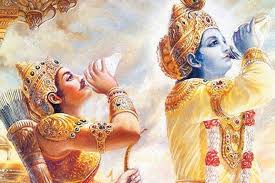
“Jñaḥ,” meaning “the knower,” designates Śrī Viṣṇu as the possessor of infinite knowledge. Śrī Madhvāchārya cites the Śvetāśvatara Upanishad (6.8): “Parāsya śaktir vividhaiva śrūyate” (His supreme power is manifold), including sarvajñatva. Śrī Jayatīrtha, in Nyāya-sudhā, ties this to “Jñānena tu tadeva,” where Śrī Hari is knowledge’s object and subject, unlike the jīva’s limited jñāna. Śrī Rāghavendra Tīrtha sees this as Śrī Hari’s vibhūti, as Śrī Kṛṣṇa’s omniscience guided Arjuna in Kurukṣetra.
This inspires the sādhaka to chant “Sarvajña” (All-knower), honoring Śrī Hari’s wisdom.
Ataḥ: Hence
“Ataḥ,” meaning “hence,” links Śrī Viṣṇu’s omniscience to prior sūtras’ logic. Śrī Madhvāchārya connects this to “Nityatvāc ca tābhyaḥ,” as eternal existence implies eternal knowledge, per the Gītā (7.26): “Vedāhaṃ samatītāni” (I know past, present, future). Śrī Jayatīrtha’s tarka reinforces “Īkṣater nāśabdam,” requiring a sentient, knowing cause. Śrī Rāghavendra Tīrtha ties “ataḥ” to Śrī Hari’s līlā, as Śrī Rāma’s foresight crafted victory over Rāvaṇa.
The jīva reflects this through vichāra, chanting “Hetu-nātha” (Lord of reason).
Eva: Indeed
“Eva,” meaning “indeed,” emphasizes Śrī Viṣṇu’s exclusive omniscience. Śrī Madhvāchārya invokes the Taittirīya (2.1.1): “Satyam jñānam anantam,” where jñānam is Śrī Hari’s alone. Śrī Jayatīrtha aligns this with “Nātmā śruteḥ,” excluding the jīva’s claim. Śrī Rāghavendra Tīrtha sees Śrī Hari’s grace, as Śrī Narasiṃha’s all-knowing act saved Śrī Prahlāda precisely.
The sādhaka chants “Eva-viṣṇu” (Indeed Viṣṇu), affirming His sole wisdom.
Śāstric Connections: The Vedic Tapestry
The sūtra resonates across śruti and smṛti. The Chāndogya’s “Sarvam khalv idam brahma” aligns with the Gītā’s “Aham sarvam veda” (I know all), Śrī Viṣṇu as knower. The Viṣṇu Purāṇa’s “Viṣṇuḥ sarvajñaḥ” (Viṣṇu is all-knowing) supports this. The Ṛgveda’s “Viṣṇuḥ paśyati” (Viṣṇu beholds) and the Rāmāyaṇa’s Śrī Rāma foreseeing battles reflect “jñaḥ.” The Bhāgavata’s Śrī Kṛṣṇa guiding Uddhava exemplifies omniscience.
The Dvaita tradition’s jñāna-yoga lives this sūtra, uniting wisdom with Śrī Hari.
Hidden Secrets: Cosmology and the Jīva’s Purpose
The sūtra unveils esoteric depths. Śrī Hari’s svatantratva, per Śrī Madhvāchārya’s viśeṣa, includes infinite jñāna, crafting the jagat. Śrī Rāghavendra Tīrtha sees this as Śrī Hari’s līlā, knowing kalpas perfectly. The jagat’s satyatva reflects His omniscience, a designed cosmos. The jīva’s purpose is to seek Śrī Hari’s wisdom, attaining sāyujya, as Śrī Hanumān revered Śrī Rāma’s all-knowing heart.
This secret fuels bhakti, for Śrī Hari’s knowledge is His guiding light.
Refutation of Pūrva-pakṣa
Śrī Madhvāchārya counters Advaita’s jīva-knowing Brahman, citing “Satyam jñānam” as Śrī Viṣṇu’s alone. Sāṅkhya’s ignorant pradhāna fails, per “Jñaḥ.” Viśiṣṭādvaita’s shared knowledge weakens before Dvaita’s sole omniscience. Śrī Jayatīrtha’s tarka refutes limited knowers, while Śrī Rāghavendra Tīrtha’s bhakti affirms Śrī Hari’s infinite wisdom.
The Path Ahead
“Jño’ta eva” crowns Śrī Hari as the supreme knower, deepening the Samanvaya Adhyāya’s truths. This series will unfold His infinite wisdom, guiding us to His lotus feet. “Om Namo Nārāyaṇāya.”