



 Swamy Gitananda
 A Daily Exploration of Dharma, Jnana, and Relevance to Modernity
By Swami Gitananda
Published on New Zealand Bharat (NZB) News, April 16, 2025
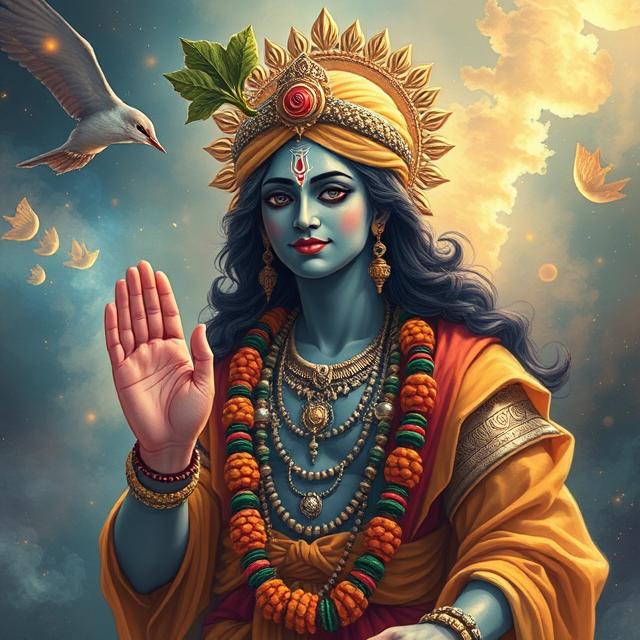
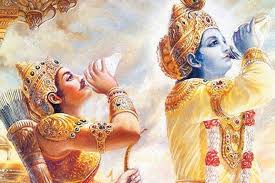
Om Shri Shivaya Namaha. Salutations to Shiva, the destroyer of moha (delusion), as we deepen our journey through the Bhagavad Gita, the Divya-Shastra (divine scripture) that transforms Kurukshetra into a dharmakshetra of eternal truth. Yesterday, Arjuna, as Kaunteya, saw fathers-in-law, friends, and all relatives across both armies, his vishada-yoga swelling with karuna (compassion) for kin cast as foes. Today, his manas breaks, voicing krup (pity) and despair to Krishna, a raw outpouring that climaxes his vishada and primes the Gita for Krishna’s upadesha.
This series is a daily sadhana (spiritual practice), offering one shloka at a time—its direct meaning, a profound exploration of its tattva (essence), insights from sampradayas (spiritual traditions), and its resonance with modern fields like quantum science, leadership, and svasthya (wellbeing). Let us now immerse ourselves in Adhyaya 1, Shloka 28, where Arjuna’s vishada finds voice, a prelude to the Gita’s eternal wisdom.
The Shloka
अर्जुन उवाच
कृपया परयाऽऽविष्टो विषीदन्निदमब्रवीत्।
दृष्ट्वेमं स्वजनं कृष्ण युयुत्सुं समुपस्थितम्॥
Arjuna uvacha
Kripaya parayavishto vishidannidamabravit,
Drishtvemam svajanam krishna yuyutsum samupasthitam.
Direct Meaning
“Arjuna said (arjuna uvacha): ‘Overwhelmed by supreme compassion (kripaya parayavishtah), sorrowing (vishidan), he spoke thus (idamabravit): “Having seen this, my own people (drishtvemam svajanam), O Krishna (krishna), eager to fight (yuyutsum) and standing before me (samupasthitam),”’”
In this verse, Arjuna, consumed by krup (pity) and vishada (despondency), speaks to Krishna, lamenting the sight of his kin (svajanam)—Pandavas and Kauravas—poised for battle, his heart breaking at the prospect of war.
Explanation of the Shloka
This shloka marks Arjuna’s first vocal expression of vishada, shifting from silent observation (samikshya, Shloka 27) to anguished speech. His krup for svajanam (own people) drowns his kshatriya resolve, a jiva’s cry to Paramatma that opens the Gita’s heart. Krishna, addressed directly, listens as Hrishikesha, poised to transform vishada into jnana. Let us explore its layers with viveka (discernment) and bhakti (devotion).
- Arjuna Uvacha: Arjuna Said
- Arjuna Uvacha: “Arjuna said,” reintroduces his voice after Shlokas 21-23, now heavy with vishada. No longer the commanding Dhananjaya or Gudakesha, he is a jiva overwhelmed, his words a plea to Krishna, his sakha (friend) and Guru.
This marker signals the Gita’s dialogic core—a shishya’s lament met by divine silence, soon to bloom into upadesha.
- Arjuna Uvacha: “Arjuna said,” reintroduces his voice after Shlokas 21-23, now heavy with vishada. No longer the commanding Dhananjaya or Gudakesha, he is a jiva overwhelmed, his words a plea to Krishna, his sakha (friend) and Guru.
- Kripaya Parayavishtah: Overwhelmed by Supreme Compassion
- Kripaya: “By compassion,” krup here is pity tinged with sorrow, distinct from karuna’s broader empathy (Shloka 27). It reflects Arjuna’s manas reeling at kin’s fate.
- Paraya: “Supreme,” elevates krup to an all-consuming force, paralyzing his buddhi (intellect).
- Avishtah: “Overwhelmed,” suggests possession—krup seizing Arjuna like a klesha (affliction), clouding viveka (discernment). This state foreshadows Krishna’s Adhyaya 2 counsel: “Kutas tva kashmalam idam”—“Whence this weakness?”
- Vishidannidamabravit: Sorrowing, He Spoke Thus
- Vishidan: “Sorrowing,” names Arjuna’s vishada explicitly, his manas sinking into duhkha (grief). The present participle suggests ongoing despair, a jiva trapped in samsara’s pain.
- Idamabravit: “He spoke thus,” frames his lament as raw and direct, a heart unburdened to Krishna. The verb abravit (spoke) ties to uvacha, grounding his words in Kurukshetra’s reality.
- Drishtvemam Svajanam: Having Seen This, My Own People
- Drishtva: “Having seen,” echoes apashyat and samikshya (Shlokas 26-27), Arjuna’s drishti now a source of torment.
- Imam Svajanam: “This, my own people,” imam (this) points to the vivid scene—svajanam (own kin) unites pitrin, acharyan, shvashuran, and bandhun from prior shlokas. Sva (own) personalizes the tragedy, janam (people) emphasizing their humanity over their warrior roles.
This phrase captures sneha (affection), binding Arjuna to moha (delusion), a knot Krishna will untie.
- Krishna: O Krishna
- Krishna: Direct address to Hrishikesha, Yogeshvara, and sakha, a cry of trust and desperation. Unlike Achyuta (Shloka 21), Krishna is intimate, a jiva calling to Ishvara amid vishada.
This invocation foreshadows Krishna’s role as Guru, his silence now a kripa (grace) preparing jnana’s dawn.
- Krishna: Direct address to Hrishikesha, Yogeshvara, and sakha, a cry of trust and desperation. Unlike Achyuta (Shloka 21), Krishna is intimate, a jiva calling to Ishvara amid vishada.
- Yuyutsum Samupasthitam: Eager to Fight, Standing Before Me
- Yuyutsum: “Eager to fight,” recalls yoddhukaman (Shloka 22), the warriors’ rajas (passion) for battle—Pandavas and Kauravas alike. It contrasts with Arjuna’s sattva-turned-tamas, his resolve fading.
- Samupasthitam: “Standing before me,” mirrors avasthitan (Shlokas 26-27), kin poised in vyudham (formation), a karmic tableau Arjuna cannot bear. Sam (completely) and upa (near) intensify proximity—foes too close, too dear.
This phrase seals vishada’s cause: kin ready to kill kin, a samsaric tragedy.
- The Vocal Peak of Vishada-Yoga
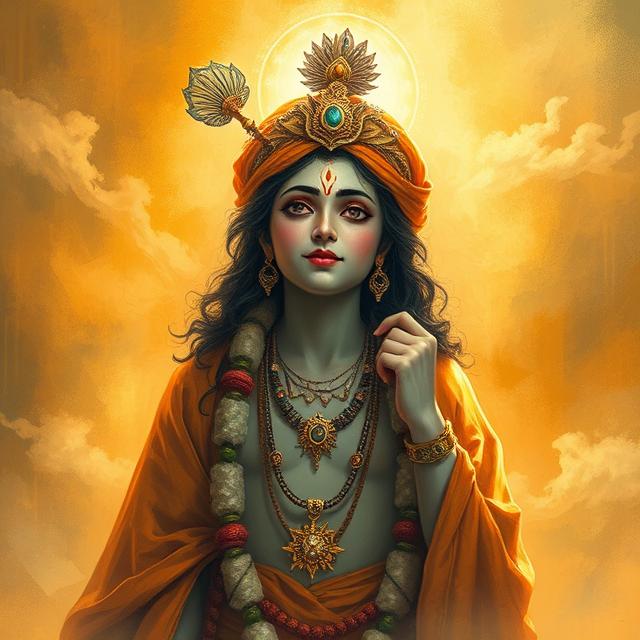
Arjuna’s krup and vishada spill into speech, his manas naming the unnameable—svajanam as yuyutsum. Kurukshetra becomes samsara’s mirror, where dharma’s sword cuts loved ones. This shloka poses the Gita’s core question: Can jnana lift the jiva beyond krup? Krishna, the Sarathi, waits to answer with sankhya-yoga.
This shloka, then, is Arjuna’s cry—a kshatriya’s vishada voiced as krup, pleading to Krishna for release. It invites us to ponder: Do we, like Arjuna, crumble under life’s conflicts, and can we seek the Yogeshvara within to guide us?
Spiritual Wisdom from Authoritative Voices
The Bhagavad Gita’s divya-tattva (divine essence) shines through the bhashyas of acharyas, each illuminating its eternal truth. Let us draw from their insights.
- Adi Shankaracharya (Advaita Vedanta)
Shankaracharya sees Arjuna’s kripaya as maya’s hold—svajanam veiling atman’s unity. Vishidan is avidya (ignorance) grasping forms. This shloka urges viveka—to see Brahman beyond kin, a truth Krishna will unveil in Adhyaya 7. - Ramanujacharya (Vishishtadvaita)
Ramanuja interprets Arjuna’s krup as the jiva’s tenderness, ripe for prapatti (surrender). Addressing Krishna signals bhakti’s spark. The shloka hints at Narayana’s kripa, guiding vishada to dharma through divine communion. - Madhvacharya (Dvaita)
Madhvacharya views Arjuna’s vishada as Vishnu-bhakta’s test—svajanam as karmic snares. Kripaya reflects tamasic weakness. This shloka underscores daiva-shakti, Krishna uplifting Kaunteya’s nishtha (steadfastness) for duty. - Swami Vivekananda (Neo-Vedanta)
Vivekananda reads this as humanity’s plea. “Arjuna’s pity halts his sword,” he writes. Love battles dharma. He urges us to awaken shakti in our karmakshetra, balancing krup with duty—a lesson the Gita unfolds.
These voices weave a jnana-sutra (thread of wisdom), guiding us toward moksha.
Relevance to Today’s Context
The Bhagavad Gita is a jivan-marga (path of life), its wisdom vibrant today. Let us explore how this shloka resonates with quantum science, leadership, and svasthya.
- Quantum Science and Cosmology
Arjuna’s kripaya mirrors quantum collapse—emotion shaping perception—svajanam as entangled bonds. Krishna’s silence evokes ekatva (oneness), transcending vishada. This shloka suggests a dharmakshetra cosmos, where awareness frees karma, a quest science pursues. - Leadership and Business
In the corporate Kurukshetra, Arjuna’s krup reflects a leader stalled by empathy—svajanam as colleagues or rivals. Krishna’s kripa offers a path: lead with compassion yet resolve, fostering drishti (vision) to act beyond sentiment. - Svasthya (Wellbeing)
Arjuna’s vishadan mirrors modern despair—chitta-vikshepa from loved ones’ strife—while krup suggests healing pity. Practices inspired by this shloka—pranayama and dhyana (meditation)—nurture shanti, easing manas from moha’s grip.
Conclusion: The Voice of Vishada
This twenty-eighth shloka voices Arjuna’s vishada-yoga, krup for svajanam breaking his dharma, the Gita’s heart open for Krishna’s jnana. It mirrors samsara’s pain, love halting action. Each day, we unveil another shloka of this divya-gita, seeking satyam (truth) and sundaram (beauty).
Tomorrow, Arjuna’s despair will deepen, his body and mind faltering before Krishna. Let us approach with bhakti and vichar, chanting: “Namo Bhagavate Vasudevaya”—to the Lord Vasudeva. May His kripa guide us onward.
Hari Om Tat Sat.