




 Swamy Gitananda
A Daily Exploration of Dharma, Jnana, and Relevance to Modernity
By Swami Gitananda
Published on New Zealand Bharat (NZB) News, May 1, 2025
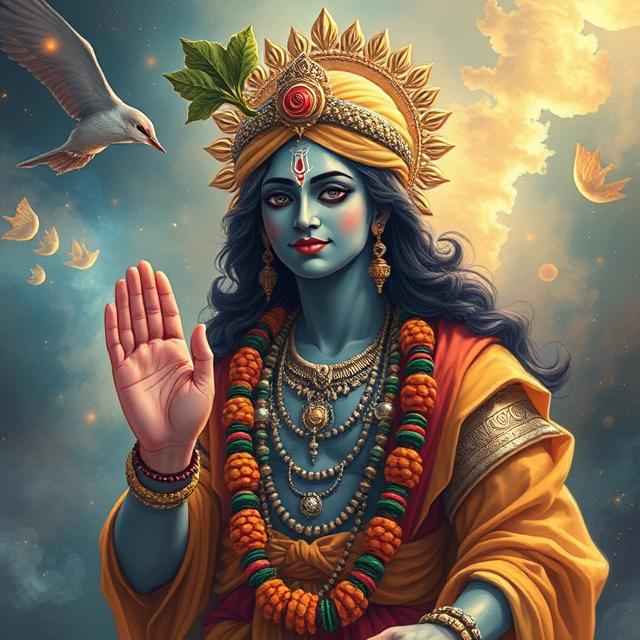
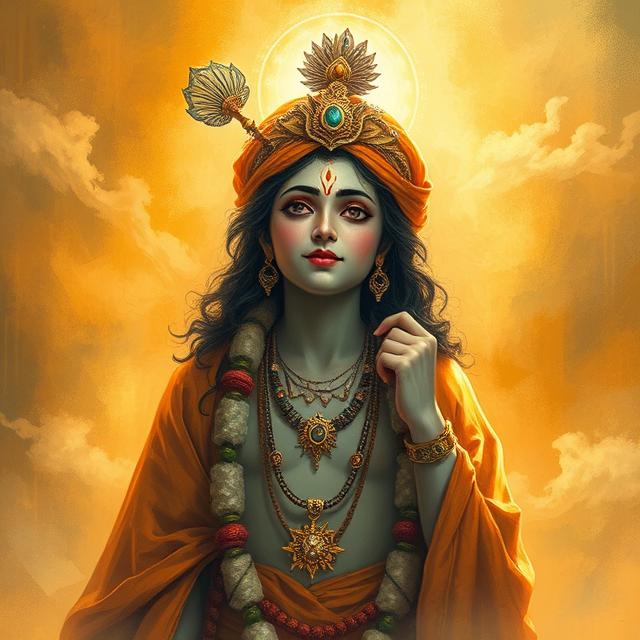
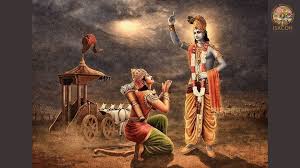
Om Shri Krishnaya Namaha. Salutations to Krishna, the Jagadguru (world teacher) and Sarathi (charioteer) of dharma, as we conclude our exploration of Adhyaya 1 of the Bhagavad Gita, the Divya-Sangita (divine song) that transforms Kurukshetra into a dharmakshetra of eternal truth. Yesterday, Arjuna reached the nadir of his vishada-yoga (yoga of despondency), declaring he would rather be slain unarmed and unresisting by the dhartarashtran (sons of Dhritarashtra) than fight, symbolically discarding his gandiva (bow) in a tamasic surrender to karuna (compassion) and moha (delusion). Today, in Shloka 47, the final verse of Adhyaya 1, Arjuna physically enacts this surrender, casting aside his gandiva and arrows, collapsing onto the chariot’s seat, his manas overwhelmed by krup and despair, priming the Gita for Krishna’s jnana-upadesha in Adhyaya 2.
This series is a daily sadhana (spiritual practice), offering one shloka at a time—its direct meaning, a profound exploration of its tattva (essence), insights from sampradayas (spiritual traditions), a yogic and philosophical analysis, and its resonance with modern fields like quantum science, leadership, psychology, and svasthya (wellbeing). As the closing shloka of Adhyaya 1, we also reflect on the chapter’s vishada-yoga and its role in the Gita’s eternal wisdom. Let us immerse ourselves in Adhyaya 1, Shloka 47, where Arjuna’s collapse marks the jiva’s surrender, a poignant prelude to Krishna’s upadesha.
The Shloka
एवमुक्त्वार्जुनः सङ्ख्ये रथोपस्थ उपाविशत्।
विसृज्य सशरं चापं शोकसंविग्नमानसः॥
Evam uktvarjunah sankhye rathopastha upavishat,
Visrijya sasharam chapam shokasamvignamanasah.
Direct Meaning
“Having thus spoken (evam uktva), Arjuna (arjunah), in the midst of battle (sankhye), sat down (upavishat) on the chariot’s seat (rathopastha), casting aside (visrijya) his bow (chapam) along with arrows (sasharam), his mind (manasah) overwhelmed by grief (shokasamvignamanasah).”
In this verse, Arjuna, after his lamentations, physically collapses on the chariot, discarding his gandiva (bow) and arrows, his manas consumed by shoka (grief) and krup (pity), marking the culmination of vishada-yoga and the stage for Krishna’s upadesha.
Detailed Explanation of the Shloka
This shloka closes Adhyaya 1 with Arjuna’s physical and emotional collapse, the ultimate expression of his vishada-yoga. It enacts Shloka 46’s declaration of surrender, as gandiva—the symbol of kshatriya-dharma—is cast aside, and Arjuna sits in despair on the rathopastha (chariot’s seat). Kurukshetra is fully a manas-kshetra (field of mind), where svadharma (personal duty) is buried under krup, moha, and shoka (grief). Krishna, the silent Yogeshvara, remains the Sarathi, his kripa (grace) poised to lift Partha from tamas to sattva with the Gita’s upadesha. Let us explore its layers with viveka (discernment), bhakti (devotion), and vichara (inquiry).
- Evam Uktva: Having Thus Spoken
- Evam: “Thus,” refers to Arjuna’s lamentations (Shlokas 28-46), from kula-kshetra’s ruin to mahatpapam’s dread and ahimsa’s surrender.
- Uktva: “Having spoken,” marks the end of vishada’s verbal outpouring, manas exhausted by krup and moha.
This phrase transitions from words to action—Arjuna’s collapse enacts his despair, a tamasic surrender Krishna will address.
- Arjunah: Arjuna
- Arjunah: “Arjuna,” the jiva as Partha, Gudakesha (conqueror of sleep), now shokasamvignamanasah (grief-stricken), his viveka clouded by kleshas.
This term personalizes vishada, Arjuna as every jiva facing samsara’s dharmic crisis, awaiting Ishvara’s guidance.
- Arjunah: “Arjuna,” the jiva as Partha, Gudakesha (conqueror of sleep), now shokasamvignamanasah (grief-stricken), his viveka clouded by kleshas.
- Sankhye: In the Midst of Battle
- Sankhye: “In the midst of battle,” sankhya (battle, also knowledge in Adhyaya 2) situates Kurukshetra as the karmakshetra (field of action), contrasted with Arjuna’s inaction.
This term underscores vishada’s irony—a kshatriya collapsing in rana (war), svadharma forsaken, a tamasic lapse Krishna will correct.
- Sankhye: “In the midst of battle,” sankhya (battle, also knowledge in Adhyaya 2) situates Kurukshetra as the karmakshetra (field of action), contrasted with Arjuna’s inaction.
- Rathopastha Upavishat: Sat Down on the Chariot’s Seat
- Rathopastha: “Chariot’s seat,” ratha (chariot) + upastha (seat), the rathottamam (finest chariot, Shloka 24), symbolizing the jiva’s karmic platform, guided by Krishna.
- Upavishat: “Sat down,” upa-vish (to sit), signifies physical collapse, vishada’s tamasic surrender, Arjuna abandoning his warrior stance.
This phrase paints Arjuna’s defeat—buddhi and body faltering, kshatriya-dharma relinquished, a klesha-driven act Krishna will reverse.
- Visrijya Sasharam Chapam: Casting Aside His Bow Along with Arrows
- Visrijya: “Casting aside,” vi-srij (to abandon), marks gandiva’s surrender, the bow gifted by Agni, symbolizing kshatriya-dharma.
- Sasharam: “Along with arrows,” sa (with) + sharam (arrows), completes the rejection of yuddha (war).
- Chapam: “Bow,” gandiva, Arjuna’s identity as Dhananjaya (conqueror of wealth), now discarded in moha.
This clause is vishada’s physical climax—gandiva’s fall mirrors buddhi’s collapse, svadharma buried under krup, a tamasic error Krishna will address with nishkama karma.
- Shokasamvignamanasah: His Mind Overwhelmed by Grief
- Shokasamvignamanasah: “His mind overwhelmed by grief,” shoka (grief) + samvigna (distressed) + manasah (mind), echoes Shloka 28’s krupaya paraya (extreme pity), vishada’s emotional core.
This phrase captures manas’s tamasic state—krup, moha, and shoka paralyzing viveka, jiva lost in samsara’s kleshas.
- Shokasamvignamanasah: “His mind overwhelmed by grief,” shoka (grief) + samvigna (distressed) + manasah (mind), echoes Shloka 28’s krupaya paraya (extreme pity), vishada’s emotional core.
- The Culmination of Vishada-Yoga
Arjuna’s collapse—gandiva cast aside, body slumped, manas consumed—marks vishada-yoga’s completion. Adhyaya 1’s dharmakshetra sets Kurukshetra as samsara’s mirror, where svadharma battles krup and moha. The Gita’s question persists: Can jnana revive svadharma from despair? Krishna, the Sarathi, is poised to answer in Adhyaya 2, guiding Partha from tamas to sattva with sankhya-yoga. - Reflection on Adhyaya 1: Vishada-Yoga
Adhyaya 1, titled Arjuna-Vishada-Yoga (the yoga of Arjuna’s despondency), lays the Gita’s foundation. It begins with Dhritarashtra’s query (Shloka 1), Sanjay’s vivid narration, and the armies’ assembly (Shlokas 2-27), culminating in Arjuna’s vishada (Shlokas 28-47). Arjuna’s fears—kula-kshetra’s ruin, adharma’s rise, varna-sankara, pitarah’s fall, naraka’s doom, and mahatpapam—reflect the jiva’s samsaric binds: raga (attachment), dvesha (aversion), and abhinivesha (fear). Krishna’s silence throughout is kripa, allowing vishada to exhaust kleshas, priming Partha for jnana. Vishada-yoga is the Gita’s first yoga, teaching that despair, when offered to Ishvara, becomes sadhana’s gateway, a universal truth for every jiva facing dharmic crises.
This shloka, then, is Arjuna’s final act of vishada—a kshatriya’s collapse, gandiva abandoned, manas drowned in shoka, crying for Krishna’s jnana. It invites us to ponder: Do we, like Arjuna, collapse under samsara’s weight, and can we seek Yogeshvara to guide our drishti (vision)?
Spiritual Wisdom from Authoritative Voices
The Bhagavad Gita’s divya-tattva (divine essence) shines through the bhashyas of acharyas, each illuminating its eternal truth. Let us draw from their insights, weaving a jnana-mala (garland of wisdom).
- Adi Shankaracharya (Advaita Vedanta)
Shankaracharya sees Arjuna’s visrijya sasharam chapam as maya’s triumph—svajanam veiling atman’s unity. Shokasamvignamanasah reflects avidya’s grip, vishada mistaking deha (body) for atman. He writes, “Arjuna’s collapse is moha’s peak,” urging discernment of Brahman beyond karmic grief. This shloka foreshadows Adhyaya 2: “Kutas tva kashmalam idam”—“Whence this delusion?” (Shloka 2.2), freeing jiva from shoka. - Ramanujacharya (Vishishtadvaita)
Ramanuja interprets Arjuna’s upavishat as the jiva’s surrender, shokasamvignamanasah a cry for prapatti. Krishna’s silent kripa sparks bhakti, guiding vishada to dharma. He notes, “Krishna’s silence is kripa, nurturing shishya’s heart,” aligning with Adhyaya 12: “Bhaktya mam abhijanati”—“Through devotion, one knows me.” Gandiva’s fall is a bhakta’s test, resolved by Narayana’s grace. - Madhvacharya (Dvaita)
Madhvacharya views Arjuna’s visrijya chapam as tamasic delusion, shoka a karmic lapse prioritizing sneha over Vishnu’s sankalpa. He emphasizes daiva-shakti, Krishna steadying Partha for svadharma, echoing Adhyaya 18: “Mam ekam sharanam vraja”—“Take refuge in me,” transcending moha’s despair. - Swami Vivekananda (Neo-Vedanta)
Vivekananda reads Shloka 47 as humanity’s collapse under duty’s weight. “Arjuna’s gandiva falls, but atma-shakti must rise,” he writes. Shoka reveals karuna, but moha blinds dharma. He urges awakening atma-shakti in the karmakshetra, aligned with Adhyaya 2: “Yoga-sthah kuru karmani”—“Established in yoga, perform actions.”
Yogic and Philosophical Analysis
Shloka 47 is a yogic and philosophical nadir, Arjuna’s vishada engaging Vedanta’s inquiry: Does shoka’s collapse negate svadharma’s call? Let us explore this through yogic, Vedantic, and Ayurvedic lenses.
- Yogic Perspective: Vishada as Klesha
In Patanjali’s Yoga Sutras (2.3), kleshas—raga (attachment), dvesha (aversion), abhinivesha (fear)—drive samsara. Arjuna’s shokasamvignamanasah reflects raga for svajanam, dvesha for papa, and abhinivesha for karmic doom. Visrijya chapam shows tamasic inaction, hindering chitta-shuddhi (mental purification). Krishna’s dhyana-yoga (Adhyaya 6) will guide manas to sattva, aligning viveka with karma. - Vedantic Inquiry: Shoka vs. Atman
The Katha Upanishad (1.2.23) states, “Atmanam atmana pashyati”—“The self is seen by the self,” suggesting shoka’s root is avidya. Arjuna’s upavishat clings to preyas (worldly grief), missing shreyas (spiritual good). Krishna’s sankhya will affirm: “Na jayate mriyate va”—“The soul is neither born nor dies” (Adhyaya 2.20), freeing jiva from shoka’s chains. - Ayurvedic Insight: Vishada as Tamas
Ayurveda sees vishada as vata-pitta imbalance, with tamas dulling ojas (vitality). Shokasamvignamanasah evokes tamas’ grip, visrijya chapam disrupting kapha’s stability. Practices like pranayama (nadi shodhana), asana (shavasana), and sattvic ahara (pure diet) restore chitta’s balance, aligning with Krishna’s silent kripa.
Relevance to Today’s Context
The Bhagavad Gita is a jivan-shastra (manual for life), vibrant in 2025. Let us explore how Shloka 47 resonates with quantum science, leadership, and svasthya.
- Quantum Science and Cosmology
Arjuna’s visrijya chapam mirrors quantum collapse—svajanam as entangled systems, shoka as entropy’s grip. Krishna’s kripa evokes ekatva (oneness), harmonizing chaos. This shloka suggests a dharmakshetra cosmos, where buddhi shapes karma, resonant with quantum consciousness theories. - Leadership and Business
In the corporate Kurukshetra, Arjuna’s upavishat reflects leadership’s collapse—gandiva as tools of authority, shoka as ethical despair. Krishna’s guidance inspires dharma-driven leadership, fostering drishti to rise from failure, aligned with 2025’s resilience frameworks. - Svasthya (Wellbeing)
Arjuna’s shokasamvignamanasah mirrors modern burnout—chitta-vikshepa from duty’s weight—while visrijya chapam evokes surrender’s release. Practices like pranayama and dhyana nurture shanti, freeing manas from shoka’s grip, guided by Krishna’s calm.
Conclusion: The Close of Vishada-Yoga
This forty-seventh shloka closes Adhyaya 1, Arjuna’s gandiva falling, his manas drowning in shoka, the Gita’s heart open for Krishna’s jnana. Vishada-yoga reveals samsara’s kleshas, dharma veiled by moha, yet despair’s surrender is sadhana’s gateway. Each day, we unveil another shloka of this divya-gita, seeking satyam (truth) and sundaram (beauty).
Tomorrow, we begin Adhyaya 2, as Krishna breaks his silence, rebuking Arjuna’s kashmalam (delusion) with sankhya-yoga. Let us approach with bhakti and vichar, chanting: “Namo Bhagavate Vasudevaya”—to Vasudeva, the indweller. May His kripa guide us onward.
Hari Om Tat Sat.
Iti Srimad Bhagavad Gita, Adhyaya 1, Samapta (Thus ends Chapter 1 of the Bhagavad Gita).