


 Swamy Gitananda
 A Daily Exploration of Dharma, Jnana, and Relevance to Modernity
By Swami Gitananda
Published on New Zealand Bharat (NZB) News, April 24, 2025
Om Shri Shivaya Namaha. Salutations to Shiva, the destroyer of avidya (ignorance) and bestower of jnana (knowledge), as we delve deeper into the Bhagavad Gita, the Moksha-Gita (song of liberation) that transforms Kurukshetra into a dharmakshetra of eternal truth. Yesterday, Arjuna argued that the Kauravas’ greed (lobha) blinds them to the dosha (fault) of destroying lineage (kula-kshetra) and the patakam (sin) of betraying friends (mitradroha), contrasting his viveka (discernment) with their moha (delusion), justifying his refusal to fight. Today, in Shloka 39, his vishada-yoga (yoga of despondency) intensifies as he rhetorically asks why he, seeing the dosha of kula-kshetra, should not refrain from war, reinforcing his karuna (compassion) and societal fears, priming the Gita for Krishna’s upadesha.
This series is a daily sadhana (spiritual practice), offering one shloka at a time—its direct meaning, a profound exploration of its tattva (essence), insights from sampradayas (spiritual traditions), a yogic and philosophical analysis, and its resonance with modern fields like quantum science, leadership, psychology, and svasthya (wellbeing). Let us immerse ourselves in Adhyaya 1, Shloka 39, where Arjuna’s viveka sharpens his vishada, a poignant prelude to Krishna’s eternal wisdom.
The Shloka
कथं न ज्ञेयमस्माभिः पापात् अस्मान् निवर्तितुम्।
कुलक्षयकृतं दोषं प्रपश्यद्भिर्जनार्दन॥
Katham na jneyamasrabhih papat asman nivartitum,
Kulakshayakritam dosham prapashyadbhirjanardana.
Direct Meaning
“[Arjuna said:] ‘How should we not know (katham na jneyam), O Janardana (janardana), to refrain (nivartitum) from this sin (papat asman)—we who clearly see (prapashyadbhir) the fault (dosham) caused by the destruction of lineage (kulakshayakritam)?’”
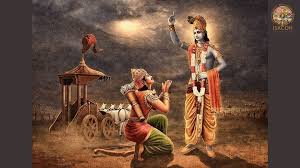
In this verse, Arjuna addresses Krishna as Janardana and rhetorically questions why he, with viveka to see the dosha of kula-kshetra (lineage destruction), should not abstain from war to avoid papa (sin), his vishada rooted in societal and moral foresight.
Detailed Explanation of the Shloka
This shloka advances Arjuna’s vishada-yoga, building on Shlokas 37-38’s societal concerns by asserting his viveka (discernment) of war’s dosha (fault)—the ruin of kula (lineage)—and questioning why he should not avoid papa (sin) through inaction. His rhetorical katham (how) frames Kurukshetra as a manas-kshetra (field of mind), where svadharma (personal duty) is eclipsed by kula-dharma (lineage duty) and karuna (compassion). Krishna, the silent Hrishikesha, listens as Partha’s buddhi (intellect) champions ahimsa (non-violence), poised to guide him to jnana. Let us explore its layers with viveka, bhakti, and vichara (inquiry).
- Katham Na Jneyam: How Should We Not Know
- Katham: “How,” a rhetorical question, echoes katham (Shloka 37), emphasizing vishada’s logic—inaction is inevitable given viveka.
- Na Jneyam: “Should we not know,” jneyam (to be known) from jna (to know), underscores buddhi’s clarity, Arjuna claiming wisdom to see war’s peril.
This opening positions Arjuna as vivekin (discerning), his manas grasping dharma’s stakes, yet moha (delusion) clouds his svadharma, a klesha Krishna will address.
- Asrabhih: By Us
- Asrabhih: “By us,” the instrumental plural, unites the Pandavas in viveka and karuna, Arjuna speaking for his brothers as in vayam (Shloka 37).
This collective voice broadens vishada to a shared moral stance, sneha (affection) for svajanam (kin) binding buddhi to ahimsa, a tamasic pause Krishna will refine.
- Asrabhih: “By us,” the instrumental plural, unites the Pandavas in viveka and karuna, Arjuna speaking for his brothers as in vayam (Shloka 37).
- Papat Asman Nivartitum: To Refrain from This Sin
- Papat: “From sin,” papa repeats Shlokas 35-36, a karmic and ethical stain Arjuna dreads, binding jiva to samsara.
- Asman: “Us,” reinforces the Pandavas’ shared guilt, papa a collective burden.
- Nivartitum: “To refrain,” from ni-vrit (to turn away), suggests sannyasa-like withdrawal, Arjuna seeking ahimsa to avoid karmic fault.
This phrase crystallizes vishada’s moral aim—inaction as dharma’s path, a misstep Krishna will correct with nishkama karma (Adhyaya 2).
- Kulakshayakritam Dosham: The Fault Caused by the Destruction of Lineage
- Kulakshayakritam: “Caused by the destruction of lineage,” repeats Shloka 38, kula (family, clan) as Vedic society’s pillar, kshetra (destruction) evoking kula-dharma’s ruin.
- Dosham: “Fault,” a societal, dharmic, and karmic flaw, disrupting rita (cosmic order) and varnashrama (social duties).
This term deepens kula-dharma’s sanctity, Arjuna fearing war’s erosion of lineage, a dosha Krishna will reframe as atman’s duty beyond samsara’s forms.
- Prapashyadbhir: We Who Clearly See
- Prapashyadbhir: “We who clearly see,” pra-pashya (to see clearly) emphasizes viveka’s sharpness, bhir (by those) aligning Arjuna with jnana’s clarity, unlike the Kauravas’ lobhopahatachetasah (greed-clouded minds, Shloka 38).
This phrase contrasts Arjuna’s drishti (vision) with moha, his buddhi perceiving war’s societal toll, yet krup (pity) skews svadharma.
- Prapashyadbhir: “We who clearly see,” pra-pashya (to see clearly) emphasizes viveka’s sharpness, bhir (by those) aligning Arjuna with jnana’s clarity, unlike the Kauravas’ lobhopahatachetasah (greed-clouded minds, Shloka 38).
- Janardana: O Janardana
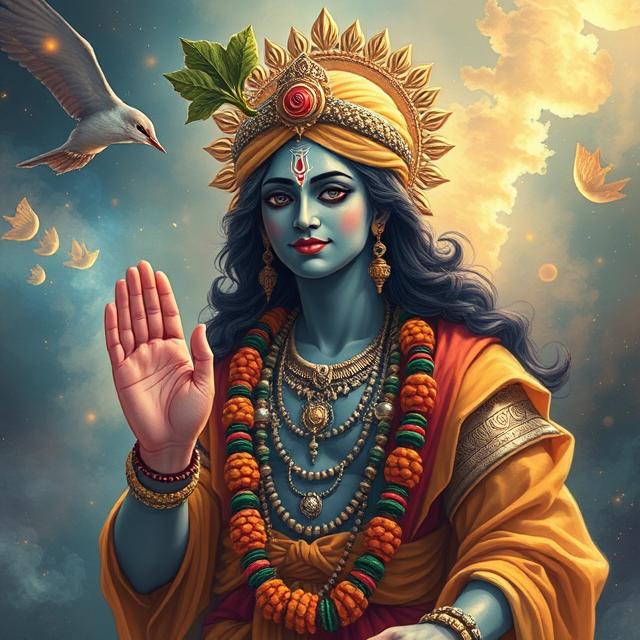
- Janardana: Krishna’s name, “mover of people” or “destroyer of samsara’s pain,” evokes Ishvara’s sovereignty and sakha (friend) intimacy, as in Shloka 36. Arjuna’s repeated address deepens bhakti, a jiva seeking Paramatma’s guidance.
This invocation signals prapatti (surrender), Partha’s manas crying for Krishna’s kripa (grace), priming the upadesha to dispel moha.
- Janardana: Krishna’s name, “mover of people” or “destroyer of samsara’s pain,” evokes Ishvara’s sovereignty and sakha (friend) intimacy, as in Shloka 36. Arjuna’s repeated address deepens bhakti, a jiva seeking Paramatma’s guidance.
- The Societal and Dharmic Foresight
Arjuna’s katham na jneyam and prapashyadbhir frame vishada as viveka’s cry, kula-kshetra’s ruin a dosha outweighing svadharma. Kurukshetra mirrors samsara’s societal chaos, where dharma seems adharma. The Gita’s question persists: Can jnana align kula-dharma with svadharma? Krishna, the Sarathi, waits to answer with sankhya-yoga, guiding Partha from tamas to sattva. - Krishna’s Silent Kripa
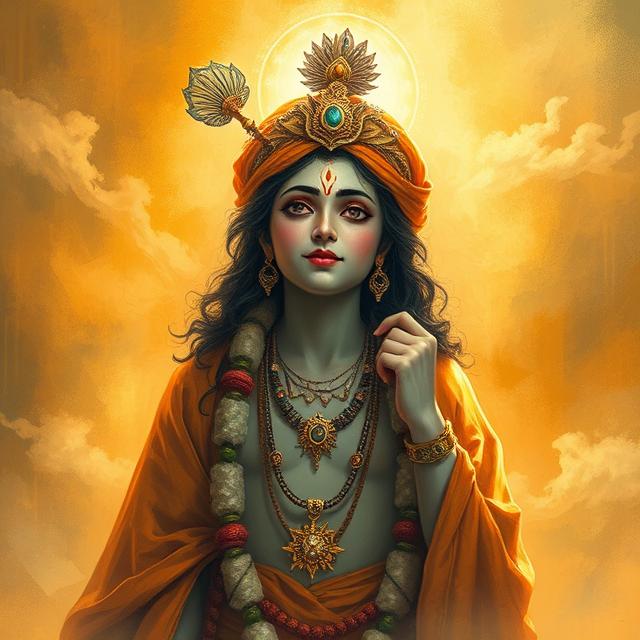
Krishna’s silence as Janardana is kripa, a divine pause allowing Arjuna’s manas to exhaust its kleshas—raga (attachment to kula), dvesha (aversion to papa), abhinivesha (fear of karmic stain). The rathottamam (finest chariot), centered between armies, symbolizes the jiva’s karmakshetra—buddhi faltering, awaiting Ishvara’s reins, a prelude to Krishna’s yoga.
This shloka, then, is Arjuna’s discerning plea—a kshatriya’s vishada rooted in viveka, fearing kula’s ruin and papa, crying for Krishna’s jnana. It invites us to reflect: Do we, like Arjuna, see conflict’s societal toll and choose inaction, and can we seek Janardana to guide our drishti (vision)?
Spiritual Wisdom from Authoritative Voices
The Bhagavad Gita’s divya-tattva (divine essence) shines through the bhashyas of acharyas, each illuminating its eternal truth. Let us draw from their insights, weaving a jnana-mala (garland of wisdom).
- Adi Shankaracharya (Advaita Vedanta)
Shankaracharya sees Arjuna’s prapashyadbhir as maya’s partial veil—kulakshayakritam dosham perceived, yet atman’s unity obscured. Papat nivartitum reflects avidya’s fear, binding jiva to samsara. He writes, “Arjuna’s viveka is moha-tainted,” urging discernment of Brahman beyond kula. This shloka foreshadows Adhyaya 11: “Sarvam vishnumayam jagat”—“The universe is pervaded by Vishnu,” freeing karma from dosha. - Ramanujacharya (Vishishtadvaita)
Ramanuja interprets Arjuna’s katham na jneyam as the jiva’s tenderness, krup opening prapatti (surrender). Janardana’s address sparks bhakti, papa’s fear a cry for Narayana’s kripa. He notes, “Krishna’s silence nurtures shishya’s heart,” aligning with Adhyaya 12: “Bhaktya mam abhijanati”—“Through devotion, one knows me.” Kula’s ruin is a bhakta’s test, resolved by dharma’s grace. - Madhvacharya (Dvaita)
Madhvacharya views Arjuna’s prapashyadbhir as tamasic clarity, kulakshaya’s fear a karmic lapse. Nivartitum prioritizes sneha over Vishnu’s sankalpa. He emphasizes daiva-shakti, Krishna as Janardana steadying Partha for svadharma, echoing Adhyaya 18: “Mam ekam sharanam vraja”—“Take refuge in me.” - Swami Vivekananda (Neo-Vedanta)
Vivekananda reads Shloka 39 as humanity’s social foresight. “Arjuna sees kula’s doom, yet falters,” he writes. Viveka shines, but krup paralyzes dharma. He urges awakening atma-shakti in the karmakshetra, balancing karuna with duty, aligned with Adhyaya 2: “Yoga-sthah kuru karmani”—“Established in yoga, perform actions.”
Yogic and Philosophical Analysis
Shloka 39 is a yogic and philosophical pivot, Arjuna’s viveka engaging Vedanta’s inquiry: Does kula-dharma’s preservation outweigh svadharma’s call? Let us explore this through yogic, Vedantic, and Ayurvedic lenses.
- Yogic Perspective: Vishada as Klesha
In Patanjali’s Yoga Sutras (2.3), kleshas—raga (attachment), dvesha (aversion), abhinivesha (fear)—drive samsara. Arjuna’s prapashyadbhir reflects viveka, yet raga for kula and dvesha for papa cloud svadharma. Nivartitum mimics vairagya (detachment), but its tamasic root hinders chitta-shuddhi (mental purification). Krishna’s dhyana-yoga (Adhyaya 6) will guide manas to sattva, aligning viveka with karma. - Vedantic Inquiry: Kula vs. Atman
The Mundaka Upanishad (1.1.4) contrasts para-vidya (spiritual knowledge) with apara-vidya (worldly duties). Arjuna’s kulakshayakritam dosham prioritizes apara-vidya (kula-dharma), missing atman’s eternity. Papat nivartitum echoes Katha Upanishad’s shreyas (good) over preyas (pleasant), yet moha skews his drishti. Krishna’s sankhya will affirm: “Na jayate mriyate va”—“The soul is neither born nor dies” (Adhyaya 2.20). - Ayurvedic Insight: Vishada as Tamas
Ayurveda sees vishada as vata-pitta imbalance, with tamas dulling ojas (vitality). Prapashyadbhir suggests sattvic clarity, but nivartitum’s inaction is tamasic. Practices like pranayama (nadi shodhana) and sattvic ahara (pure diet) restore chitta’s balance, aligning with Janardana’s grounding kripa.
Relevance to Today’s Context
The Bhagavad Gita is a jivan-shastra (manual for life), vibrant in 2025. Let us explore how Shloka 39 resonates with quantum science, leadership, and svasthya.
- Quantum Science and Cosmology
Arjuna’s prapashyadbhir mirrors quantum observation—kulakshayakritam dosham as systemic collapse, papa as karmic entropy. Janardana’s kripa evokes ekatva (oneness), harmonizing chaos. This shloka suggests a dharmakshetra cosmos, where buddhi shapes karma, resonant with quantum consciousness theories. - Leadership and Business
In the corporate Kurukshetra, Arjuna’s nivartitum reflects a leader’s pause—kula as organizational culture, dosha as ethical cost. Janardana’s guidance inspires dharma-driven leadership, fostering drishti to see systemic impacts, aligned with 2025’s sustainability focus. - Svasthya (Wellbeing)
Arjuna’s vishada mirrors modern societal dread—chitta-vikshepa from collective loss—while prapashyadbhir evokes clarity amid chaos. Practices like pranayama and dhyana nurture shanti, freeing manas from papa’s weight, guided by Janardana’s calm.
Conclusion: The Plea of Viveka
This thirty-ninth shloka deepens Arjuna’s vishada-yoga, viveka of kula’s ruin halting svadharma, the Gita’s heart open for Krishna’s jnana. It mirrors samsara’s societal binds, dharma veiled by moha. Each day, we unveil another shloka of this divya-gita, seeking satyam (truth) and sundaram (beauty).
Tomorrow, Arjuna will lament kula-dharma’s collapse, fearing moral and spiritual decay. Let us approach with bhakti and vichar, chanting: “Yatra yogeshvarah krishno” (Gita 18.78)—where Krishna is, victory follows. May His kripa guide us onward.
Hari Om Tat Sat.