



 Tracey Beatrice
 By Tracey Beatrice | NZB News | 27 April 2025
Background
As the global economic order undergoes rapid transformation, small yet highly developed nations like New Zealand face critical choices in reimagining their international trade and diplomatic strategies.
India’s surging economy, the dynamism of ASEAN (Association of Southeast Asian Nations), and the growing complexities of global supply chains present both challenges and unprecedented opportunities for New Zealand.
With its traditional markets like China, Australia, and Europe facing saturation or volatility, New Zealand’s pivot towards diversified partnerships is not just strategic — it is existential.
Emerging Trade Corridors: India and ASEAN
- India is projected to become the world’s third-largest economy by 2030, fuelled by domestic consumption, innovation, and demographic advantage.
- ASEAN nations collectively represent the fifth-largest economy globally, with youthful populations, urbanisation, and digitalisation driving robust growth.
For New Zealand, deeper engagement with these regions offers:
- Access to burgeoning middle-class markets
- Collaboration on climate change solutions
- Diversification away from over-reliance on China
- Enhanced geopolitical balance in the Indo-Pacific
New Zealand’s Current Initiatives
- Free Trade Negotiations
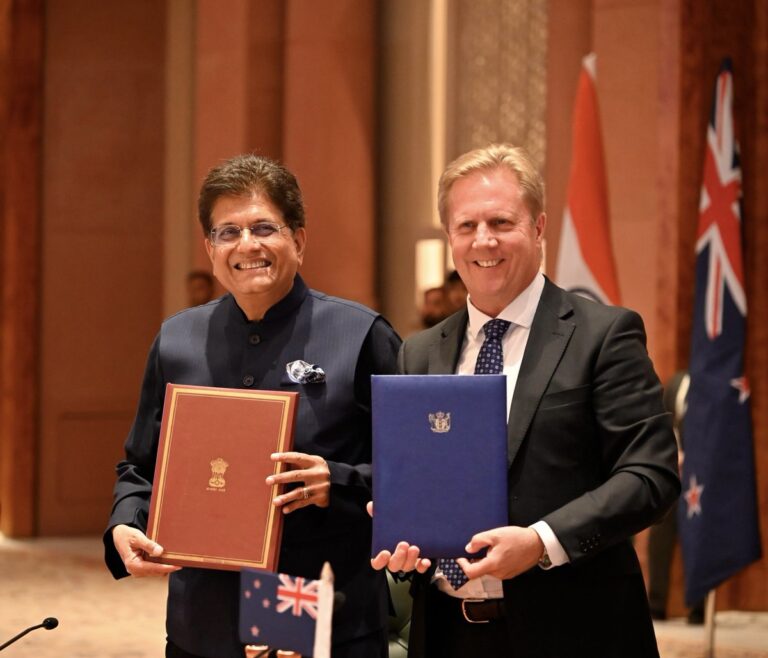
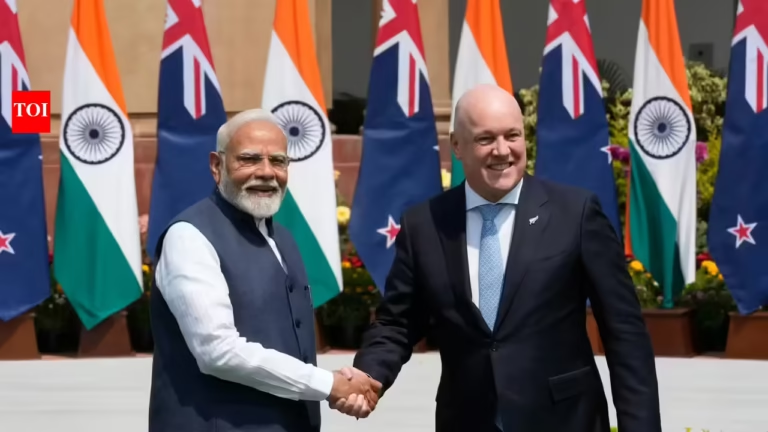
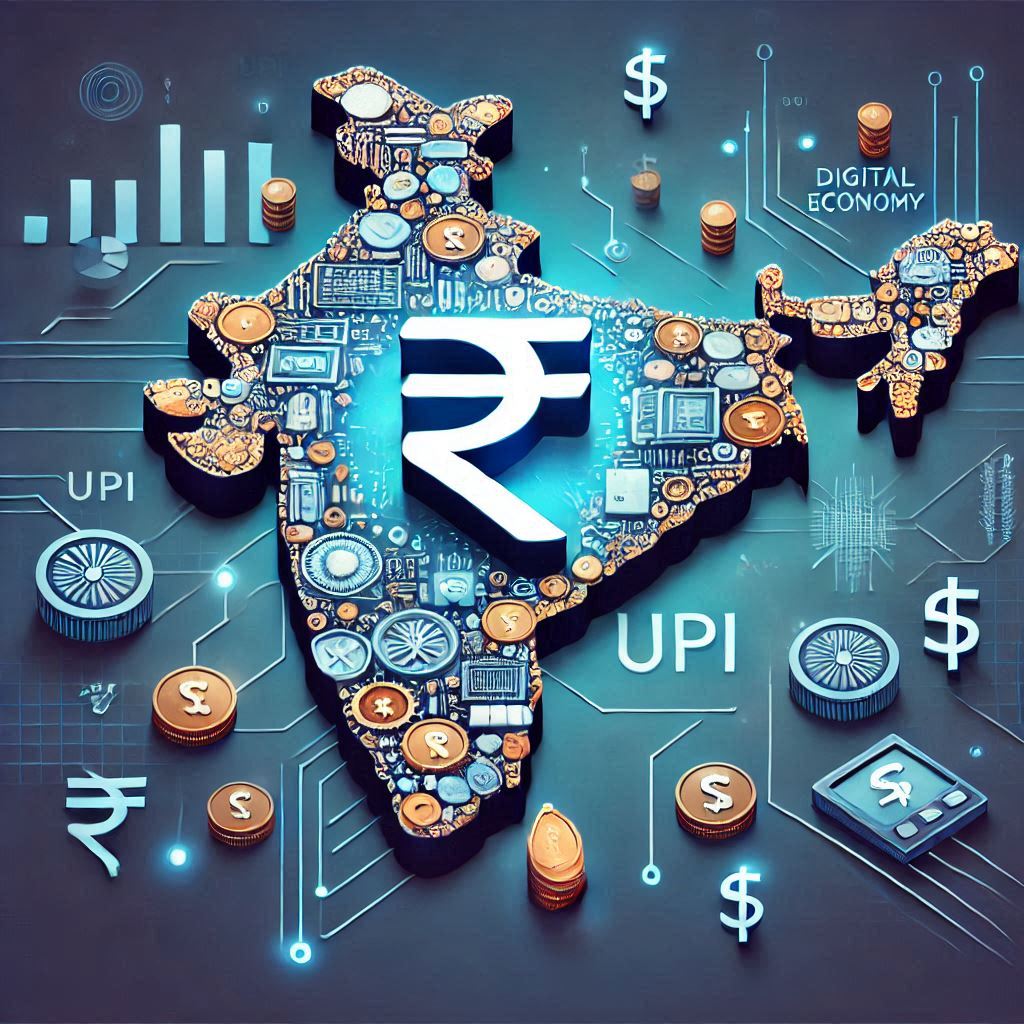
- Efforts to conclude trade agreements with India continue, albeit slowly, given complexities around agriculture, services, and digital economy sectors.
- New Zealand already enjoys robust ties with ASEAN through the ASEAN-Australia-New Zealand Free Trade Area (AANZFTA), recently upgraded to include digital trade and sustainability measures.
- Educational and Skills Diplomacy
- Scholarships, vocational training programs, and university partnerships are increasingly used as tools of soft power, especially with emerging economies in Southeast Asia and South Asia.
- Green Technology and Agri-Tech Collaborations
- New Zealand’s prowess in sustainable agriculture and renewable energy solutions is highly attractive to nations facing climate challenges.
- Strategic Forums
- Active participation in Indo-Pacific initiatives like the Indo-Pacific Economic Framework (IPEF) signals New Zealand’s commitment to open, transparent trade norms.
Discussion: The Roadblocks Ahead
Despite promising signs, there are substantial hurdles:
- Cultural Differences and Market Access Barriers
Understanding nuanced consumer behaviours and regulatory environments in India and ASEAN markets remains a challenge for many Kiwi businesses. - Scale Mismatch
New Zealand’s relatively small economic size means it must leverage niche sectors like dairy innovation, food safety technologies, green energy, and high-end education rather than compete across mass markets. - Geopolitical Risks
Rising tensions between major powers like the US, China, and India can create volatility, complicating New Zealand’s careful balancing act. - Domestic Readiness
Building greater business capabilities at home — especially around cultural literacy, digital readiness, and export resilience — is vital to truly benefit from new economic corridors.
Summary
New Zealand stands at a crossroads:
It can either cling to a comfortable but narrowing circle of traditional trade partners, or boldly chart new courses towards emerging powerhouses like India and ASEAN.
The future belongs to nations that are nimble, innovative, and diplomatically adept.
For New Zealand, success in economic diplomacy will require not only government initiatives but also proactive engagement by businesses, educational institutions, and the wider public.
Ultimately, diversification is not just a hedge against risk — it is a vision of New Zealand as a global citizen, thriving amidst the vibrant, shifting tides of the 21st-century world economy.