


 Shivaprasad T R
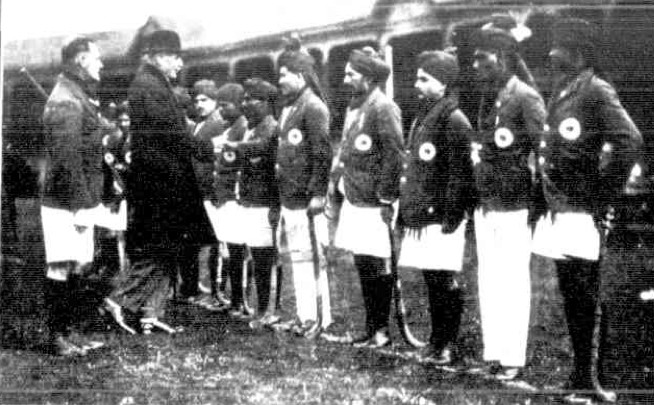
 In the annals of sports history, few tales resonate as profoundly as the epic journey undertaken by the 1926 Indian Army Hockey Team to New Zealand. Led by the indomitable Captain David Tenant Cowan MC, this tour not only showcased the extraordinary talent of Indian hockey but also forged enduring bonds between nations and laid the groundwork for a legendary sporting legacy.
As New Zealand prepares to commemorate the centenary of this historic tour in 2026, the significance of this momentous event looms large. Through exhibitions, events, and tributes, the nation will honor the pioneering spirit of the Indian Army team and celebrate a milestone in sporting history that continues to resonate across continents.

Facilitating the Journey:
Field Marshal William Riddell Birdwood, revered for his command of the ANZAC forces during World War I, played a pivotal role in facilitating the Indian Army’s tour. With his esteemed reputation and connections, Birdwood paved the way for the collaboration between the New Zealand Hockey Association (NZHA) and the Army Sports Control Board, initiating the process of arranging the historic tour.
Team Selection and Composition:
The meticulous process of selecting the touring squad began with preliminary trials held at Rawalpindi and Jhelum, where the finest talents from the Indian Army showcased their skills. Under the discerning eyes of Colonel Bruce Turnbull, Captain Cowan, and Coach Mr. Ritchie, a formidable team of 17 was assembled, comprising a diverse blend of English officers, a Sikh officer, and Indian soldiers representing various regiments.
The Squad:
1. Captain D. T. Cowan MC (1st Battalion, 6th Gurkha Rifles) – Captain
2. Captain H. V. Cox (2nd Battalion, 8th Punjab Regiment)
3. Captain E. A. Belchamber (1st Battalion, 11 Sikh Regiment)
4. Captain L A Alexander (1st Battalion, 5th Royal Gurkha Rifles)
5. Jemadar Lal Singh (92nd Battalion, 8th Punjab Regiment)
6. Naik Ghulan Ali (1st Battalion, 4th Hazara Pioneers)
7. Naik Thakar Singh (1st Battalion, 4th Prince of Wales’s Own Gurkha Rifles)
8. Naik Lal Shah (1st Battalion, 4th Hazara Pioneers)
9. L/Naik Dhian Singh (2nd Battalion, 8th Punjab Regiment)
10. L/Naik Susai Nathan (Queen Victoria’s own Madras Sappers and Miners)
11. L/Naik Kishana Singh (2nd Battalion, 17th Dogra Regiment)
12. Sepoy Manu Swami (Queen Victoria’s own Madras Sappers and Miners)
13. Sepoy Dhyan Chand (4th Battalion, 1st Punjab Regiment)
14. Sepoy Sangara Singh (2nd Battalion, 13th Frontier Force Rifles)
15. Sepoy Jaginder Singh (2nd Battalion, 8th Punjab Regiment)
16. Fitter Fakir Chand (Royal Army Service Corps (MT))
17. Fitter H. Francis (Royal Army Service Corps (MT))
The Journey Begins:
Embarking from Calcutta on April 11, 1926, the team set sail for Colombo, marking the commencement of a monumental expedition. Along the way, they demonstrated their prowess in friendly matches, overwhelming opponents and leaving an indelible mark on spectators. Victories against the Ceylon Light Infantry and the Colombo Gymkhana Club served as a prelude to the triumphs that awaited them in New Zealand.
Conquering Australia:
Arriving in Melbourne on May 3, 1926, the Indian Army team wasted no time in asserting their dominance on Australian soil. A resounding victory against Melbourne University, followed by a remarkable triumph over an Australian Army team at the Royal Military College, Duntroon, showcased the team’s formidable skills, setting the stage for their arrival in New Zealand.

Unveiling Brilliance in New Zealand:
Touching down in Auckland on May 11, 1926, the Indian Army team commenced their New Zealand tour with an unofficial match against a Navy team in Remuera. Despite initial challenges adapting to the playing surfaces, the team’s exceptional cohesion and skill soon became evident, propelling them to victory in their opening encounters.
Test Match Triumphs:
The pinnacle of the tour came in the form of the eagerly anticipated test matches against the New Zealand national team. Played before fervent crowds, these matches epitomized the spirit of sporting excellence and camaraderie. Led by Captain Cowan and inspired by the sublime talent of Dhyan Chand, India emerged victorious in the first test, showcasing superior combination and skill.
Match Formats and Details:
The test matches followed a standard format, with two halves of specified duration, typically 35 or 45 minutes each. The matches were played with fervent intensity, with both teams vying for supremacy on the field. The Indian Army team displayed remarkable teamwork, intricate passing, and sublime stickwork, leaving spectators in awe of their skill and precision.
Dhyan Chand’s Ascendancy:
Central to India’s success was the emergence of a young prodigy, Dhyan Chand, whose sublime skill and goal-scoring prowess left audiences in awe. His virtuoso performances throughout the tour captivated spectators and heralded the arrival of a hockey legend whose legacy endures to this day. In the test matches against New Zealand, Dhyan Chand’s performances were nothing short of spectacular, as he showcased his exceptional dribbling, precise passing, and clinical finishing.
Match Results:
1. First Test Match (Lancaster Park, Christchurch, June 26, 1926):
– Result: India defeated New Zealand 5-2.
– Dhyan Chand scored three goals, with Captain Belchamber and Susai Nathan scoring one each.

2. Second Test Match (Auckland, July 10, 1926):
– Result: New Zealand defeated India 4-3.
– Captain Belchamber scored a hat trick for India.
3. Third Test Match (Eden Park, Auckland, July 17, 1926):
– Result: Match ended in a 1-1 draw.
– Dhyan Chand scored India’s goal.
Enduring Legacy and Impact:
The legacy of the 1926 Indian Army Hockey Tour reverberated far beyond the confines of the hockey field, symbolizing the triumph of sportsmanship, camaraderie, and international friendship. From Dhyan Chand’s meteoric rise to the enduring bonds between India and New Zealand, its impact transcended generations, inspiring future athletes and fostering a legacy of excellence.
In conclusion, the 1926 Indian Army Hockey Tour of New Zealand stands as a testament to the power of sport to transcend boundaries, unite nations, and inspire generations. As we reflect on this historic journey, we pay homage to the trailblazers who paved the way for a legacy of sporting excellence and international camaraderie that endures to this day.
***
Sources:
1. Diljit Singh Bahra’s article “PART V: The Indian Army hockey tour of New Zealand 1926” provided valuable insights into the historical context, team composition, match details, and the overall narrative of the tour.
2. Historical accounts and newspaper reports from the period, including those from New Zealand newspapers such as the New Zealand Herald, offered additional perspectives and details about the matches, tour itinerary, and public reception.
3. The Indian Army Hockey Team’s official records and historical archives provided essential information about the team members, their regiments, and their contributions to the tour.
4. Insights from hockey historians and experts, including K. Arumugam and B.G. Joshi, helped contextualize the significance of the tour and the performances of key players like Dhyan Chand.
5. The Australian Indian Historical Society’s resources and Crystal Jordan’s insights provided valuable context regarding the tour’s impact on Australian sports culture and the broader historical significance of sporting relations between India and Australia.
Acknowledgment:
Special thanks to Diljit Singh Bahra for his meticulously researched article, which served as the primary source of information for this narrative. Additionally, gratitude is extended to the various historians, organizations, and archival sources that contributed to our understanding of this historic event.
Indian army hockey team tour of New Zealand