



 Col. (retd.) Dinesh Ramaswamy
 By Col. (Retd.) Dinesh Ramaswamy, exclusively for New Zealand Bharat News (NZB News)
Introduction
The Indo-Pak conflict is not just a story of military maneuvers, diplomatic standoffs, or economic calculations. It is, at its core, a saga of human suffering, resilience, and the indomitable spirit of Bharat. For decades, Pakistan’s relentless proxy war—waged through cross-border terrorism, psychological operations, and targeted violence—has exacted a heavy toll on Indian lives, communities, and the national psyche. Yet, through every tragedy, India has responded not with despair, but with unity, innovation, and an unwavering commitment to justice and peace.
This article delves into the multifaceted human cost of Pakistan’s proxy war, the psychological scars it has left, the economic and social disruptions it has caused, and, most importantly, the extraordinary resilience and renewal that have defined India’s response.
The Immediate Human Toll: Death, Displacement, and Disruption
Civilian Casualties Along the Line of Control
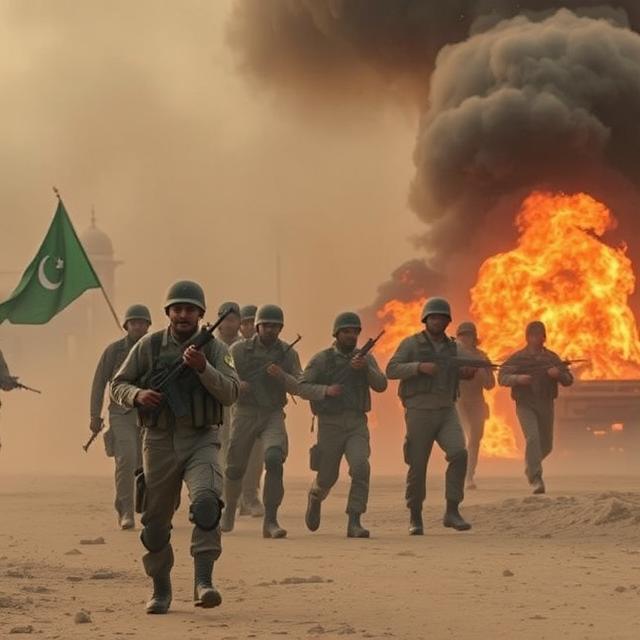
Every year, innocent civilians living along the Line of Control (LoC) and International Border in Jammu & Kashmir and Punjab bear the brunt of Pakistan’s shelling and infiltration attempts. In the most recent escalation, intense artillery and mortar shelling by Pakistani forces killed at least 16 people and injured dozens more in a matter of days. Hundreds of families were forced to abandon their homes, seeking refuge in underground bunkers as their villages turned into war zones. Schools and colleges in border districts were shuttered, and normal life ground to a halt as fear and uncertainty swept through entire communities15.
The trauma is not limited to physical injuries. The constant threat of shelling, the loss of loved ones, and the destruction of property and livelihoods have left deep psychological scars. Children grow up with the sound of sirens and gunfire, their education and childhood repeatedly disrupted by conflict.
The Targeting of Civilians: The Pahalgam Massacre
The Pahalgam attack in April 2025, in which 26 innocent civilians—including tourists and pilgrims—were brutally killed by Pakistan-backed terrorists, stands as a grim reminder of the human cost of state-sponsored terror. The attack was not just an assault on individuals, but on the very fabric of Indian society—its spirit of hospitality, its unity in diversity, and its commitment to peace23.
Such attacks are designed to instill fear, provoke communal tensions, and undermine the sense of security that is the bedrock of any nation. Yet, each time, the people of India have responded with remarkable composure, refusing to be cowed by terror.
Disruption of Daily Life and Infrastructure
Beyond the immediate casualties, the conflict disrupts the daily rhythms of life across vast swathes of northern India. Heightened security at airports, railway stations, and public spaces becomes the norm. Flights are cancelled, roads are blocked, and economic activity grinds to a halt in affected regions. The closure of schools and businesses, the loss of crops and livestock, and the destruction of homes and infrastructure impose a heavy economic and social burden on already vulnerable communities178.
The Psychological and Social Impact: Trauma, Fear, and Resilience
The Mental Health Crisis in Conflict Zones
The psychological impact of decades of conflict and terrorism in Jammu & Kashmir and other affected areas is profound and long-lasting. Studies reveal that over 90% of residents in conflict zones experience chronic anxiety, fear, and sleep disorders. The constant threat of violence, the loss of family members, and the breakdown of social support systems have led to widespread depression, post-traumatic stress disorder (PTSD), and even suicidal tendencies4.
Children and orphans are particularly vulnerable. In some orphanages, over 40% of children exhibit signs of psychiatric morbidity, including PTSD, major depressive disorder, and panic attacks. The trauma of losing parents to violence, the stigma of being associated with “militant” families, and the lack of stable support networks severely impair their ability to pursue education, employment, and healthy social relationships.
The Militarization of Society and Its Consequences
The persistent threat of infiltration and terror attacks has necessitated a heavy security presence in border states. While this is essential for national security, it also leads to the militarization of daily life. Checkpoints, raids, and surveillance become routine, creating an atmosphere of intimidation and suspicion. This, in turn, can lead to feelings of alienation, especially among youth, and fuel grievances that adversaries seek to exploit4.
High unemployment, economic uncertainty, and the breakdown of traditional community structures further exacerbate the sense of hopelessness. Yet, despite these challenges, the vast majority of affected populations continue to reject violence and reaffirm their faith in the Indian state and its institutions.
The Hidden Suffering: Widows, Orphans, and the Marginalized
The human cost of Pakistan’s proxy war is not limited to those killed or injured in attacks. Widows and orphans, often numbering in the hundreds of thousands, face unique challenges—social ostracization, economic hardship, and psychological trauma. Surveys reveal that a majority of widows do not remarry, leading to loneliness, lack of support, and increased vulnerability. Orphans, especially girls, are at heightened risk of exploitation and neglect4.
The stigma attached to families of victims, the suspicion cast on entire communities, and the lack of adequate support systems compound the suffering. Yet, countless stories of courage, mutual aid, and community solidarity shine through the darkness, testifying to the resilience of the Indian spirit.
The Economic Cost: Disruption, Loss, and Recovery
The Price of Conflict
The economic cost of the Indo-Pak conflict, especially during periods of escalation, is staggering. Recent estimates suggest that a four-day military standoff can cost both nations up to $1 billion an hour in combined losses, with India bearing the larger share due to the scale of its mobilization and economic activity78. Airspace closures, stock market disruptions, and the diversion of resources to defense spending all take a toll on growth and development.
For border communities, the loss is even more acute. Crops are destroyed, livestock killed, and businesses shuttered. The destruction of infrastructure—roads, bridges, schools, and hospitals—sets back development by years, if not decades.
The Cost of Security and Preparedness
India’s commitment to protecting its citizens has required massive investments in security infrastructure—bunkers, surveillance systems, rapid response teams, and disaster management. While these measures save lives and deter aggression, they also divert resources from social and economic development.
Yet, India’s economic resilience has ensured that, despite these challenges, the nation continues to grow, innovate, and invest in its people. The ability to absorb shocks, recover quickly, and rebuild stronger is a testament to the underlying strength of the Indian economy and society.
National Resilience: Unity, Innovation, and Renewal
The Spirit of Solidarity
Perhaps the most remarkable aspect of India’s response to Pakistan’s proxy war is the spirit of solidarity and unity that emerges in times of crisis. Across religious, linguistic, and regional lines, Indians come together to support victims, aid displaced families, and rebuild shattered communities. Civil society organizations, religious institutions, and ordinary citizens mobilize resources, offer shelter, and provide psychological support.
This unity is not just a reaction to tragedy—it is a proactive assertion of India’s core values: pluralism, compassion, and an unwavering commitment to justice.
Innovation in Security and Rehabilitation
India’s response to the human cost of conflict is not limited to relief and compensation. The nation has pioneered innovative approaches to security, rehabilitation, and resilience:
- Community Policing and Early Warning Systems: Local police, community leaders, and youth volunteers work together to identify threats, report suspicious activity, and provide early warnings of infiltration or attacks.
- Psychological Counseling and Mental Health Initiatives: NGOs and government agencies offer counseling, trauma care, and support groups for victims and their families, helping them cope with loss and rebuild their lives.
- Skill Development and Economic Empowerment: Special programs for widows, orphans, and displaced persons focus on education, vocational training, and entrepreneurship, enabling them to regain independence and dignity.
The Role of Media and Information
In the age of information warfare, media plays a crucial role in shaping narratives, countering propaganda, and fostering resilience. While both India and Pakistan have weaponized media to some extent, India’s vibrant press and civil society ensure that stories of courage, sacrifice, and hope reach every corner of the nation2.
At the same time, India has taken decisive steps to counter fake news, hate speech, and psychological operations orchestrated by adversaries. The blocking of malicious social media accounts, the promotion of verified information, and the mobilization of digital volunteers have become integral to national security.
Justice, Accountability, and the Path Forward
Holding Perpetrators Accountable
India’s commitment to justice is unwavering. In the aftermath of terror attacks, security forces have swiftly tracked down and neutralized perpetrators, while the legal system ensures that those captured face trial. The prosecution of terrorists and their handlers is not just about retribution—it is about upholding the rule of law, dispelling false narratives, and demonstrating that justice will prevail2.
At the same time, India recognizes the need to address underlying grievances, invest in intelligence and inter-agency coordination, and avoid measures that infringe on civil liberties or alienate communities. The balance between security and rights is delicate, but essential for long-term peace.
The International Dimension: Exposing Pakistan’s Lies
India’s diplomatic offensive, especially after Operation Sindoor, has succeeded in exposing Pakistan’s direct complicity in terrorism. Viral images of Pakistani Army officers offering state funerals to terrorists, intercepted communications, and irrefutable evidence presented to the world have shattered Islamabad’s denials36.
The international community, once hesitant to take sides, now increasingly recognizes the reality of Pakistan’s state-sponsored terror. India’s leadership in global forums, its alliances with like-minded nations, and its insistence on zero tolerance for terrorism have shifted the narrative and isolated those who seek to use violence as an instrument of policy.
Turning Adversity Into Strength: The Indian Way
Cultural Resilience and National Identity
India’s ability to withstand and overcome the human cost of conflict is rooted in its rich cultural heritage and inclusive national identity. Festivals, rituals, and collective acts of remembrance honor the sacrifices of victims and martyrs, while reinforcing the bonds that unite the nation.
Education, art, and literature play a vital role in healing wounds, fostering dialogue, and promoting understanding. The stories of survivors, heroes, and ordinary citizens who rise above tragedy inspire new generations to value peace, tolerance, and resilience.
The Road Ahead: Building a Secure and Compassionate Bharat
The challenges posed by Pakistan’s proxy war are far from over. New tactics, technologies, and threats will continue to test India’s resolve. But the lessons of the past are clear: unity, innovation, and an unwavering commitment to justice and compassion are the keys to overcoming adversity.
India must continue to invest in security, intelligence, and preparedness, while also addressing the social, economic, and psychological needs of affected communities. The path to lasting peace lies not just in deterrence, but in healing, reconciliation, and the reaffirmation of Bharat’s core values.
Conclusion
The human cost of Pakistan’s proxy war is immense—measured in lives lost, families shattered, and dreams deferred. Yet, the story of India’s response is one of resilience, renewal, and unbreakable spirit. Through unity, innovation, and an unyielding commitment to justice, Bharat has turned adversity into strength, exposed the lies and fraud of its adversaries, and emerged as a beacon of hope and stability in a troubled region.
The next article in this series will explore how India’s technological and strategic innovations—across defense, intelligence, and economic domains—are shaping a new era of security and prosperity, ensuring that the sacrifices of the past pave the way for a brighter, safer future.
Col. (Retd.) Dinesh Ramaswamy writes exclusively for New Zealand Bharat News (NZB News). Stay tuned for the next installment: “Innovation and Security: How India’s Technological Edge Secures the Nation’s Future.”