 Imogen King
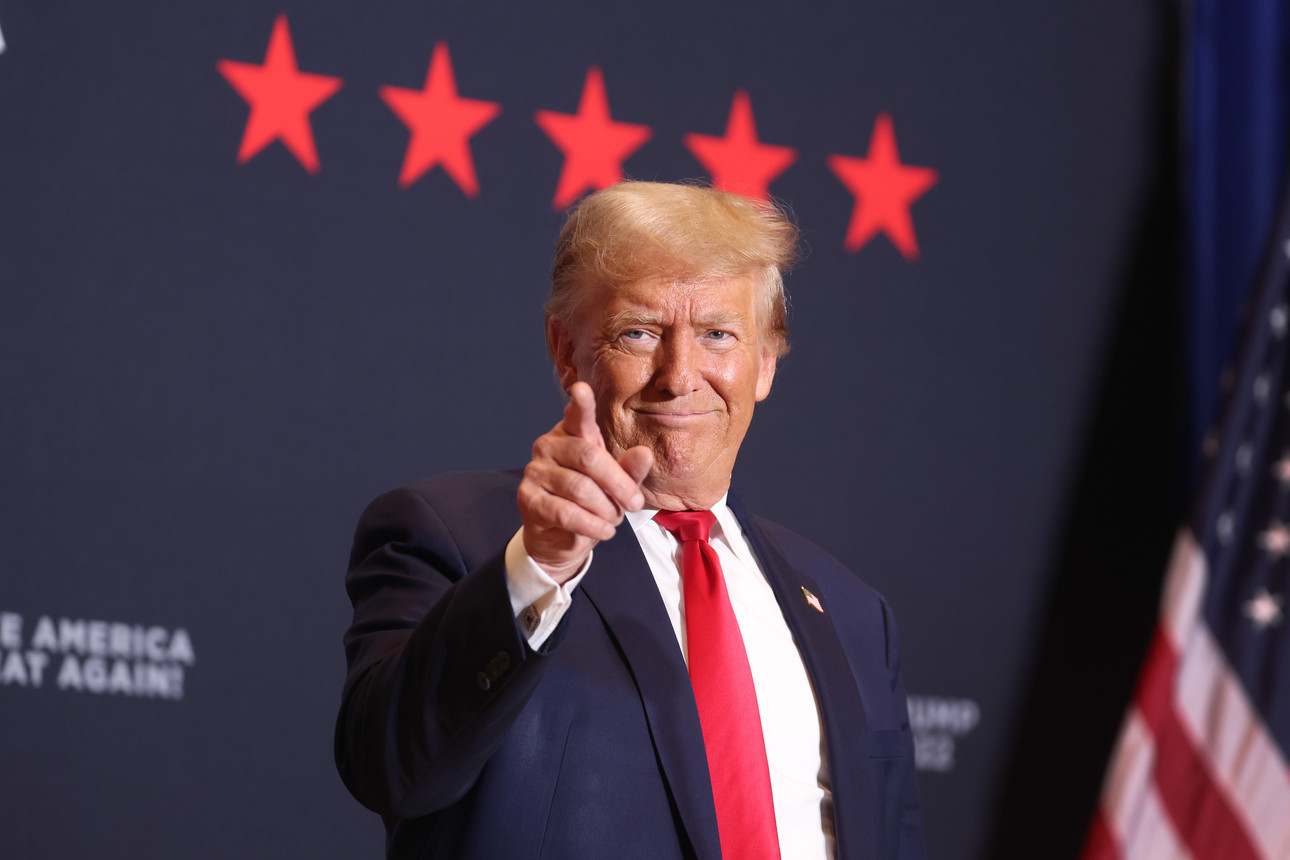
 Former U.S. President Donald Trump issued a stark ultimatum to NATO countries in September 2025, stating he is prepared to impose major sanctions on Russia only if all NATO members agree to stop purchasing Russian oil and enact coordinated sanctions themselves. Trump described the ongoing purchases of Russian oil by some NATO allies as “shocking” and detrimental to the alliance’s leverage against Russia.
The Warning and Demands
Addressing the NATO alliance through a letter posted on his social media platform “Truth,” Trump emphasised that the United States would move forward with tougher sanctions once there was full consensus and collective action from NATO countries. He stated, “I am prepared to implement significant sanctions on Russia when all NATO nations have agreed and taken similar steps, including halting oil purchases from Russia.”
Trump criticised certain countries within the alliance, particularly calling out those continuing to buy Russian oil, such as Turkey, Hungary, and Slovakia. He asserted that these purchases undermine NATO’s negotiating stance and weaken its ability to pressure Russia to end the war in Ukraine.
Proposed Tariffs on China
Alongside his demands on Russia, Trump also proposed that NATO countries collectively impose tariffs ranging from 50% to 100% on China. According to Trump, these tariffs would diminish China’s economic influence over Russia and contribute significantly to ending the Ukraine crisis. He suggested these tariffs should be lifted once peace is restored.
Wider Geopolitical Context
Trump’s ultimatum comes amid heightened tensions around Russia’s war in Ukraine, now in its fourth year, and recent incidents such as Russian drone intrusions into NATO airspace. The alliance has been grappling with balancing national interests, energy needs, and strategic unity.
While many NATO members have reduced Russian oil imports, full embargoes have not been universally adopted, complicated by energy dependencies and political considerations. Convincing major consumers like Turkey, Hungary, and Slovakia to cease oil purchases entirely remains a significant diplomatic challenge.
Reactions and Uncertainties
Trump’s demand for unanimous NATO action represents a departure from previous unilateral U.S. sanctions, placing the onus equally on European allies. Analysts question whether such collective agreement is feasible given diverse national energy policies and economic ties.
European Union countries have enacted bans on Russian maritime oil imports and refined products but continue to import Russian fossil fuels through other channels. Trump’s conditionality on sanctions and tariffs has sparked debate regarding the alliance’s cohesion and strategic coherence.
Summary
Donald Trump’s recent statements set a tough precondition for escalating sanctions against Russia, requiring full NATO consensus and an end to all Russian oil imports by member countries. Coupled with calls for punitive tariffs on China, Trump outlined a demanding strategy aimed at hastening a resolution to the war in Ukraine. However, the feasibility and acceptance of these conditions within NATO remain highly uncertain, reflecting the complex geopolitics of energy and alliance solidarity.