




 Imogen King
 By Imogen King, Political Science, Business and International Affairs Specialist
NZB News – July 6, 2025
Summary
United States President Donald Trump has escalated his aggressive trade agenda by signing letters to 12 countries outlining “take it or leave it” tariff rates that could reach as high as 70 per cent, marking a dramatic shift away from complex negotiations towards unilateral trade enforcement. With the July 9 deadline looming, this move signals the end of Trump’s 90-day negotiation window and the beginning of what trade experts are calling the most comprehensive global tariff regime in modern history.
The End of Diplomacy
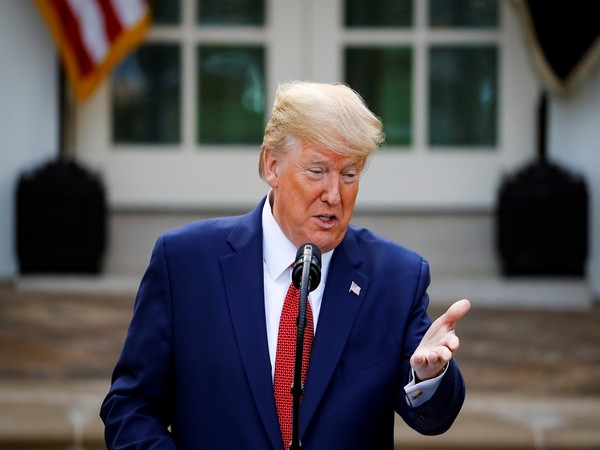
President Trump’s announcement on July 4 that he had signed tariff letters to be delivered on Monday represents a fundamental departure from traditional trade diplomacy. Speaking to reporters aboard Air Force One, Trump declared that sending letters was “much easier” than attempting to negotiate individual deals with dozens of countries.
The decision comes after repeated setbacks in securing comprehensive trade agreements with major partners including Japan and the European Union. What began as an ambitious promise to negotiate 90 deals in 90 days has devolved into a blunt ultimatum approach that has sent shockwaves through global financial markets.
“The letters are better… much easier to send a letter,” Trump told reporters, abandoning his earlier prediction that broader trade agreements could be reached before the July 9 deadline.
The Scale of Impact
The tariff regime, first announced on April 2 in what Trump called “Liberation Day,” initially imposed a universal 10 per cent baseline tariff on all imports. Additional country-specific tariffs ranging from 10 per cent to 50 per cent were planned for 57 major trading partners but were suspended until July 9 following a stock market crash triggered by the initial announcement.
Now, with the moratorium ending, Trump has indicated that tariffs could reach even higher levels. Countries face the prospect of tariff rates ranging from the baseline 10 per cent up to a punishing 70 per cent, with most set to take effect on August 1.
Treasury Secretary Scott Bessent suggested that approximately 100 countries would likely receive the baseline 10 per cent reciprocal tariff rate, significantly fewer than the 123 jurisdictions originally envisioned by the Trump administration. This reduction reflects the practical challenges of implementing such an extensive tariff system across the global economy.
Winners and Losers in the New Trade Order
The few countries that have successfully negotiated deals stand in stark contrast to those facing punitive tariffs. Britain secured preferential treatment in May, maintaining the 10 per cent rate whilst winning concessions for key sectors including automotive and aircraft engines. This agreement has positioned the United Kingdom as a favoured trading partner in Trump’s new economic architecture.
Vietnam reached a more complex arrangement announced on July 2, agreeing to a 20 per cent tariff on most exports whilst accepting a 40 per cent levy on any transshipments from third countries through Vietnamese territory. In exchange, Vietnamese markets opened to US goods with zero per cent tariffs, creating a bilateral trade corridor that other nations are now desperately seeking to replicate.
China, despite ongoing tensions, managed to negotiate a temporary reprieve on June 11. The current framework maintains 30 per cent tariffs on Chinese goods (comprising the 10 per cent baseline plus a 20 per cent “fentanyl” penalty) whilst China lowered its own tariffs on US goods to 10 per cent and resumed rare earth exports. This 90-day arrangement prevents the escalation to the previously threatened 145 per cent rate, though the long-term stability of this accord remains uncertain.
European Union Under Pressure
The European Union finds itself in perhaps the most precarious position, facing the prospect of 50 per cent tariffs if negotiations fail. EU diplomats described being in the “middle of very difficult negotiations” as the July 9 deadline approaches, with talks continuing through the weekend in a last-ditch effort to avoid the severe economic penalties.
European Commission President Ursula von der Leyen’s request for an extension to July 9 was granted by Trump, but the President’s recent comments suggest limited flexibility beyond this date. The EU’s collective action problem, representing 27 different countries through Brussels, has complicated negotiations with an administration that prefers bilateral arrangements.
The stakes could not be higher for Europe. With Trump threatening to impose what would effectively be prohibitive tariffs on European exports, industries from German automotive to Italian fashion face potential exclusion from the lucrative American market.
Asian Tigers Face Uncertain Future
Japan, despite its strategic alliance with the United States, has found no relief from Trump’s tariff regime. Prime Minister Shigeru Ishiba’s phone call with Trump on April 7 failed to secure any concessions, with Japan facing both the 10 per cent reciprocal tariff and an additional 24 per cent country-specific levy.
Trump’s frustration with Japanese negotiators became evident when he threatened to raise Japan’s tariff to 35 per cent on July 2, describing the nation as resistant to American trade demands. This represents a significant deterioration in US-Japan trade relations, particularly given Japan’s role as a key security partner in the Indo-Pacific region.
India, dubbed the “tariff king” by Trump due to its 12 per cent average tariff rate compared to America’s 2.2 per cent, had appeared close to reaching an agreement. Prime Minister Narendra Modi’s February White House visit aimed to advance a deal doubling bilateral trade to $500 billion by 2030. However, India’s “zero-for-zero” proposal on auto parts tariffs has failed to satisfy Trump’s demands for more comprehensive concessions.
Legal Challenges and Constitutional Questions
The implementation of Trump’s tariff regime faces significant legal obstacles. On May 28, the United States Court of International Trade unanimously ruled that Trump had exceeded his authority by imposing both the “fentanyl tariffs” and “reciprocal tariffs” under the International Emergency Economic Powers Act (IEEPA).
The Court of Appeals for the Federal Circuit granted a temporary stay allowing the tariffs to remain in effect pending appeal, with oral arguments scheduled for July 31. Legal experts suggest that the unprecedented use of the IEEPA for broad economic policy, rather than specific national security emergencies, represents uncharted constitutional territory.
Trade law specialists have questioned whether emergency powers designed for wartime or genuine national crises can be legally applied to routine trade disputes. The court’s eventual ruling could fundamentally reshape the scope of presidential authority in international commerce.
Economic Disruption and Market Response
The global economic impact of Trump’s tariff strategy has already manifested in dramatic market volatility. The initial April 2 announcement triggered a stock market crash severe enough to force the Trump administration to suspend most country-specific tariffs for 90 days.
Financial analysts warn that the full implementation of the tariff regime could severely disrupt global supply chains, particularly in industries dependent on international components. The automotive sector, already facing separate Section 232 national security tariffs of 50 per cent on steel and aluminium, would be particularly vulnerable to additional country-specific levies.
Consumer goods markets anticipate significant price increases as importers pass tariff costs to buyers. Industries ranging from electronics to household appliances face the prospect of dramatic price rises, with some economists predicting inflation rates not seen since the 1970s.
Regional Implications for Asia-Pacific
The tariff regime poses particular challenges for Asia-Pacific economies that have built their export strategies around access to American markets. South Korea, Taiwan, and Singapore all face potential disruption to their technology and manufacturing sectors.
Singapore Prime Minister Lawrence Wong’s address to Parliament on April 8 captured regional sentiment, stating that US actions represented “rejecting the very system it created” and would “accelerate the fracturing of the global economy.” This reflects broader concern that Trump’s approach undermines the multilateral trading system that has underpinned Asia-Pacific growth for decades.
Regional trade arrangements, including the Comprehensive and Progressive Agreement for Trans-Pacific Partnership (CPTPP), may gain renewed importance as countries seek alternatives to US market access. However, the scale of the American economy means that no regional arrangement can fully compensate for lost US trade.
The End of Multilateral Trade
Trump’s letter strategy represents more than a shift in negotiating tactics; it signals a fundamental rejection of the multilateral trading system established after World War II. By abandoning complex negotiations in favour of unilateral ultimatums, the administration has effectively withdrawn from the collaborative approach that has characterised international trade for decades.
The World Trade Organisation (WTO), already weakened by years of American criticism and blocked appointments to its appellate body, faces further marginalisation as Trump bypasses international dispute resolution mechanisms entirely. Countries that might previously have sought WTO remedies for discriminatory tariffs now confront the reality that such processes are irrelevant to American policy.
This shift towards bilateral power relationships, rather than multilateral rules, reflects Trump’s view that America’s economic strength should translate directly into trade advantages. The approach abandons the pretence of international cooperation in favour of explicit economic coercion.
Strategic Calculations and Global Realignment
Behind Trump’s tariff strategy lies a broader calculation about American economic dominance and global power structures. By forcing countries to choose between access to US markets and their existing trade relationships, the administration seeks to reshape global commerce around American preferences.
The strategy particularly targets what Trump sees as unfair trade arrangements where other countries maintain higher tariff rates than the United States. The “reciprocal” nature of the tariffs aims to pressure trading partners into matching American tariff levels, effectively forcing global harmonisation around US trade policy.
Countries face difficult strategic choices between maintaining trading relationships with China and other major economies versus securing continued access to American markets. This “economic either-or” approach seeks to fracture existing multilateral arrangements in favour of bilateral relationships centred on Washington.
Domestic Political Implications
Within the United States, Trump’s aggressive tariff approach serves multiple political purposes beyond trade policy. The strategy fulfils campaign promises to American workers who believe foreign competition has undermined domestic manufacturing, whilst demonstrating decisive action on economic sovereignty.
However, the policy faces growing resistance from Republican legislators representing competitive districts, particularly as the economic costs become apparent to American consumers. House Republicans have expressed concern about the impact on constituents facing higher prices for imported goods.
The timing of the tariff implementation, with most taking effect on August 1, creates political pressure for resolution before the economic impact becomes fully apparent to voters. This timeline suggests that the administration views the current period as crucial for establishing its negotiating position before domestic opposition intensifies.
The Path Forward
As countries receive their tariff letters on Monday, the global trading system enters uncharted territory. The absence of clear appeals processes or negotiation frameworks leaves trading partners with limited options beyond accepting American terms or implementing retaliatory measures.
Some countries may attempt to negotiate bilateral deals following the Vietnam model, accepting higher tariffs in exchange for preferential access arrangements. Others might pursue regional alternatives or strengthen trade relationships outside the US sphere of influence.
The European Union faces perhaps the most consequential decision, with its response likely to influence how other major economies approach the new American trade regime. A decision to implement counter-tariffs could escalate into a full-scale trade war, whilst acceptance of US terms might encourage further American demands.
Implications for New Zealand
New Zealand finds itself in a particularly complex position within this evolving trade landscape. As a small, export-dependent economy with significant trade relationships across the Asia-Pacific region, New Zealand must navigate between maintaining traditional partnerships and adapting to American demands.
The country’s agricultural exports, whilst potentially less affected by manufacturing-focused tariffs, could face indirect impacts through regional supply chain disruptions. New Zealand’s position within the CPTPP and its trade relationships with China, Australia, and other regional partners may require careful recalibration as the global trade system fragments.
Wellington’s response to American trade pressure will likely influence its relationships within the Pacific region, where other small economies are facing similar difficult choices between traditional multilateralism and accommodation with US demands.
Conclusion
Trump’s shift from negotiation to ultimatum represents more than a change in trade tactics; it signals the end of the post-war international trading order. As countries receive their tariff letters and confront the new economic reality, the global economy enters a period of fundamental restructuring around American preferences and power.
The success or failure of this approach will be measured not only in trade balances and tariff revenues but in its broader impact on international cooperation, economic stability, and the future of multilateral governance. What began as a campaign promise to restore American manufacturing may ultimately reshape the entire architecture of global commerce.
The world now awaits the response of America’s trading partners, whose decisions in the coming days will determine whether Trump’s vision of bilateral, US-centric trade relationships becomes the new global norm or triggers a broader economic conflict that could define international relations for years to come.