



 Imogen King
 Turkey’s open and escalating support for Pakistan during the recent India-Pakistan conflict has triggered a wave of diplomatic, economic, and public backlash in India. The controversy comes at a time when Ankara’s military assistance to Islamabad has been exposed in unprecedented detail, even as Turkey’s long-standing aviation and commercial ties with India run deep. The resulting tension has thrown a spotlight on the complexities of India-Turkey relations, raising questions about the future of bilateral engagement in both security and civil sectors.
Turkey’s Direct Military Support to Pakistan: The Evidence
The latest crisis erupted following the Pahalgam terror attack, which India traced to Pakistan-based groups. As India launched Operation Sindoor in response, Turkey emerged as Pakistan’s most vocal and active international supporter. The evidence of Turkish involvement is now overwhelming:
- Drones and Military Hardware: Over 350 Turkish-made drones, including Bayraktar TB2 and YIHA models, were supplied to Pakistan and used in coordinated attacks across the International Border. These drones were deployed for surveillance, target designation, and kamikaze strikes against Indian military infrastructure and supply convoys. Forensic investigations of downed drones inside Indian territory confirmed Turkish origins, with specific models such as the Asisguard Songar identified by Indian authorities.
- Operational Coordination and Personnel: Turkish military operatives were reportedly present in Pakistan, providing operational guidance and even participating in drone warfare against India. Reports indicate that Turkish advisors helped plan and coordinate the attacks, and at least two Turkish operatives were killed during India’s precision strikes under Operation Sindoor.
- Naval and Air Support: The Turkish Navy’s corvette TCG Bykada docked at Karachi port just before the conflict escalated, and Turkish Air Force C-130 cargo planes landed in Pakistan, allegedly delivering military equipment and supplies. While Ankara denied sending weapons, the presence of its aircraft was confirmed by global air surveillance systems.
This level of direct military involvement marks a significant escalation in Turkey’s support for Pakistan, moving beyond rhetoric and diplomatic backing to active participation in hostilities against India.
Diplomatic and Economic Backlash: India’s Response
India’s response to Turkey’s actions has been swift and multi-pronged:
- Economic Boycott: Indian consumers and businesses have begun a widespread boycott of Turkish brands. E-commerce platforms have limited the visibility of Turkish products, and major travel agencies have suspended bookings to Turkey and Azerbaijan. The “Boycott Turkey” campaign is gaining traction across social media and public discourse.
- Media and Information Warfare: The Indian government has blocked the official X (formerly Twitter) account of Turkish state broadcaster TRT World, citing the spread of misinformation and anti-India propaganda.
- Strategic Countermeasures: India is strengthening ties with Turkey’s regional rivals and pressing Ankara on multiple diplomatic and trade fronts. The government is also reviewing contracts with Turkish companies operating in sensitive sectors, including aviation ground handling and airport services.
Turkey’s Stance: Ideological and Strategic Drivers
Turkey’s support for Pakistan is rooted in both ideology and strategic calculation:
- Kashmir and the Two-Nation Theory: President Recep Tayyip Erdoğan has consistently raised the Kashmir issue at international forums, echoing Pakistan’s communal narrative and supporting Islamabad’s claims. In the immediate aftermath of the Pahalgam attack, Erdoğan was the only world leader to meet Pakistani Prime Minister Shehbaz Sharif, reaffirming Turkey’s “unwavering support” for Pakistan.
- Military and Diplomatic Solidarity: Turkey was quick to send military assets and express solidarity with Pakistan after India’s strikes on terror camps. Erdoğan described India’s actions as the “martyrdom of civilians,” aligning with Pakistan’s narrative and condemning Indian operations.
- Long-Term Military Collaboration: Turkey and Pakistan have a history of defence cooperation, including arms sales, joint exercises, and military training. The recent escalation saw this partnership reach new heights, with Turkish advisors directly involved in planning and executing attacks on Indian targets.
Aviation Ties: A Complex Web of Cooperation
Despite the current diplomatic crisis, Turkey and India share a long history of aviation and commercial collaboration:
- Civil Aviation Links: Turkish Airlines operates daily flights between Istanbul and major Indian cities such as Mumbai and New Delhi, with plans to expand to other cities including Hyderabad, Chennai, Kolkata, and Bengaluru. These routes have been vital for business, tourism, and cultural exchange.
- Airport Operations: Turkish-origin company Celebi Aviation handles critical ground operations at seven of India’s busiest airports, including Delhi, Mumbai, Bengaluru, Hyderabad, Chennai, Ahmedabad, and Kochi. Celebi manages everything from passenger services and cargo handling to ramp operations and bridge management, servicing over 100,000 Indian flights annually.
- Strategic Investments: Indian companies have invested in Turkish infrastructure, with GMR Group holding a major stake in Istanbul’s Sabiha Gökçen International Airport. More than 150 Indian firms operate in Turkey, spanning sectors from infrastructure and manufacturing to IT and agriculture.
This deep commercial engagement has made Turkey a significant player in India’s civil aviation landscape, even as political and security tensions rise.
Security Concerns and Public Outrage
Turkey’s role in supporting Pakistan’s military aggression has triggered security concerns within India’s aviation sector. Social media campaigns and public figures are calling for the cancellation of contracts with Turkish firms, particularly those with access to sensitive airport operations. The presence of Turkish companies at India’s largest airports is now under scrutiny, with demands for a review of their roles in light of Ankara’s hostile actions.
Government agencies are reportedly assessing the security implications of allowing Turkish-origin firms to handle critical infrastructure, especially given the risk of sabotage or intelligence gathering in times of heightened conflict.
The Broader Context: India-Turkey Relations at a Crossroads
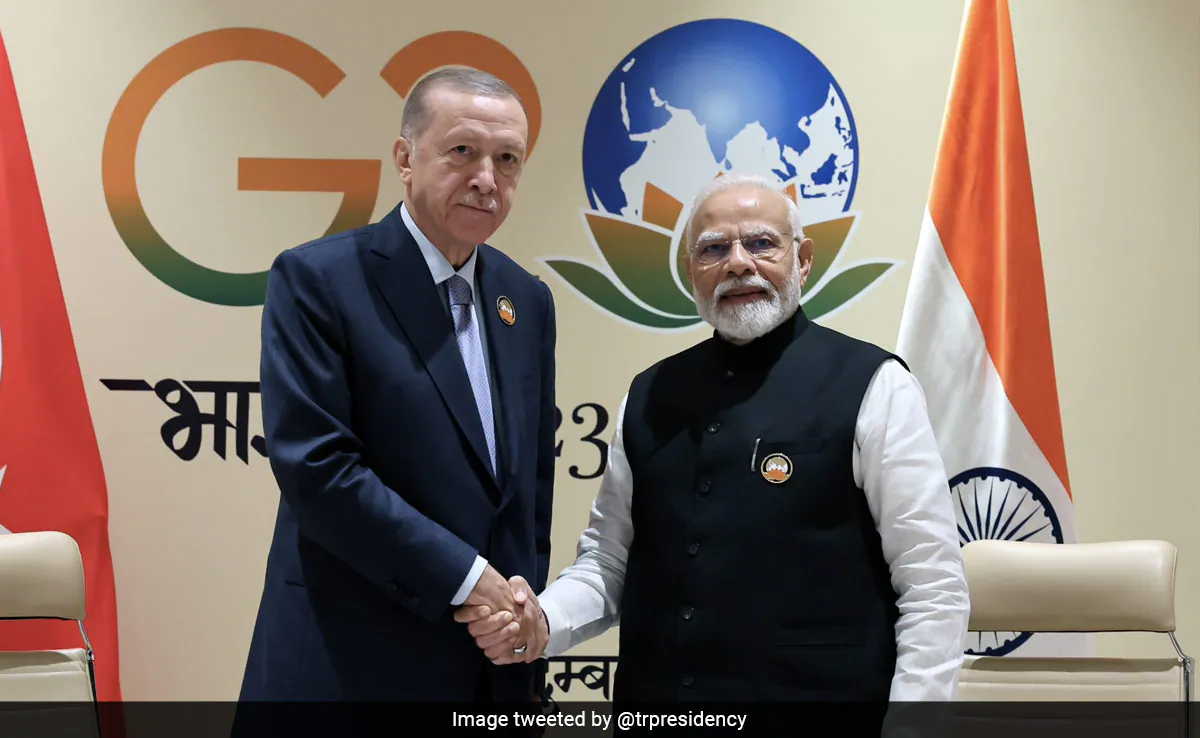
The current crisis is a sharp departure from the generally cordial, if sometimes distant, relations that have characterised India-Turkey ties for decades. Both countries are G20 members, have collaborated on space technology (India launched Turkey’s first nanosatellite in 2009), and have explored free trade agreements and joint ventures across multiple sectors.
However, Turkey’s increasingly assertive foreign policy under Erdoğan, particularly its alignment with Pakistan on Kashmir and its willingness to provide direct military support, has strained the relationship to breaking point. India’s decision to counter Turkey’s actions with economic, diplomatic, and strategic measures signals a new phase in bilateral ties-one defined by suspicion and confrontation rather than cooperation.
The Path Forward: Decoupling or Dialogue?
As the backlash against Turkey intensifies in India, both governments face difficult choices:
- For India: The priority is to safeguard national security, maintain the integrity of its aviation and critical infrastructure, and send a clear message that support for terrorism or military aggression will not be tolerated. This may mean reducing commercial engagement with Turkish firms and seeking alternative partners for sensitive operations.
- For Turkey: Ankara must weigh the costs of its alignment with Pakistan against the benefits of economic and commercial ties with India. Continued support for Pakistan’s hostile actions could result in long-term isolation from one of the world’s largest markets.
The future of India-Turkey relations will depend on whether both sides can find common ground or whether the current crisis leads to a permanent decoupling of economic and strategic interests.
Conclusion
Turkey’s open support for Pakistan during the latest India-Pakistan conflict marks a turning point in its relationship with India. The evidence of direct military involvement, from drones and operatives to naval and air support, has provoked a strong backlash in India-economically, diplomatically, and in the public sphere. At the same time, the deep aviation and commercial ties between the two countries complicate any move towards a complete rupture.
As both nations reassess their priorities, the coming months will reveal whether pragmatism or ideology will shape the future of India-Turkey relations. For now, the backlash against Turkey is real and growing, and the legacy of decades of cooperation in aviation and other sectors hangs in the balance.