 Dorothy Brown
 By New Zealand Bharat News | March 21, 2025 | 08:31 AM NZDT
From April 4 to 6, 2025, the Hindu Heritage Centre in Rotorua will resonate with devotion as the Hindu Elders Foundation, in collaboration with the Centre, hosts the Shri Ram Janam Maha Utsav, a three-day festival celebrating the birth anniversary of Bhagwan Shri Ram. This landmark event, set to unite devotees, community leaders, and cultural performers, builds on New Zealand’s growing legacy of Hindu cultural expression, exemplified by the unprecedented Shri Ram Prana Pratishta Mahotsav on January 21, 2024—the largest Hindu gathering in the nation’s history, with over 15,000 attendees. Shri Ram, revered as the cultural heartbeat of Bharat (India), embodies ideals of dharma (righteousness), courage, and unity, values that resonate deeply in New Zealand’s Indian diaspora and beyond. The reclamation of Ayodhya after decades of legal struggle symbolizes this resilience, offering a modern echo of Shri Ram Rajya—an ideal of just governance. This article delves into the context, historical significance, event specifics, cultural implications, challenges, achievements, and future of this celebration in Aotearoa.
Context: Shri Ram’s Legacy in New Zealand and Beyond
New Zealand’s Indian community, numbering 239,193 as of 2023 (Stats NZ), forms a vibrant thread in the nation’s multicultural tapestry, with Rotorua emerging as a cultural hub in the Bay of Plenty. The Hindu population, 2.6% of New Zealanders per the 2018 Census, has grown steadily since the 1987 immigration reforms, bringing traditions like Diwali, Holi, and now Shri Ram-centric festivals to the fore. The Hindu Heritage Centre, opened in 2015 at 225 Malfroy Road, Rotorua, serves as a spiritual anchor, hosting over 50 events annually, from community prayers to cultural workshops, per Centre records.
The Shri Ram Janam Maha Utsav follows the triumph of the Shri Ram Prana Pratishta Mahotsav, held on January 21, 2024, at Eden Park, Auckland. Organized by the Shri Ram Janmabhoomi Prana Pratishta Mahotsav Committee—a coalition of temples, organizations, and volunteers—this event marked the consecration of Shri Ram Lalla’s idol in Ayodhya, India, on January 22, 2024. With over 15,000 Hindus gathered, it was New Zealand’s largest Hindu event ever, surpassing previous records like Auckland’s 2024 Diwali Festival (120,000 attendees). The Auckland celebration featured Homam (fire rituals), sloka chanting, kirtans, and a cultural program, culminating in Mahaprasad for 10,000, per shriramreturns.org. It mirrored Ayodhya’s global resonance, uniting New Zealand’s Hindu community in a historic moment.
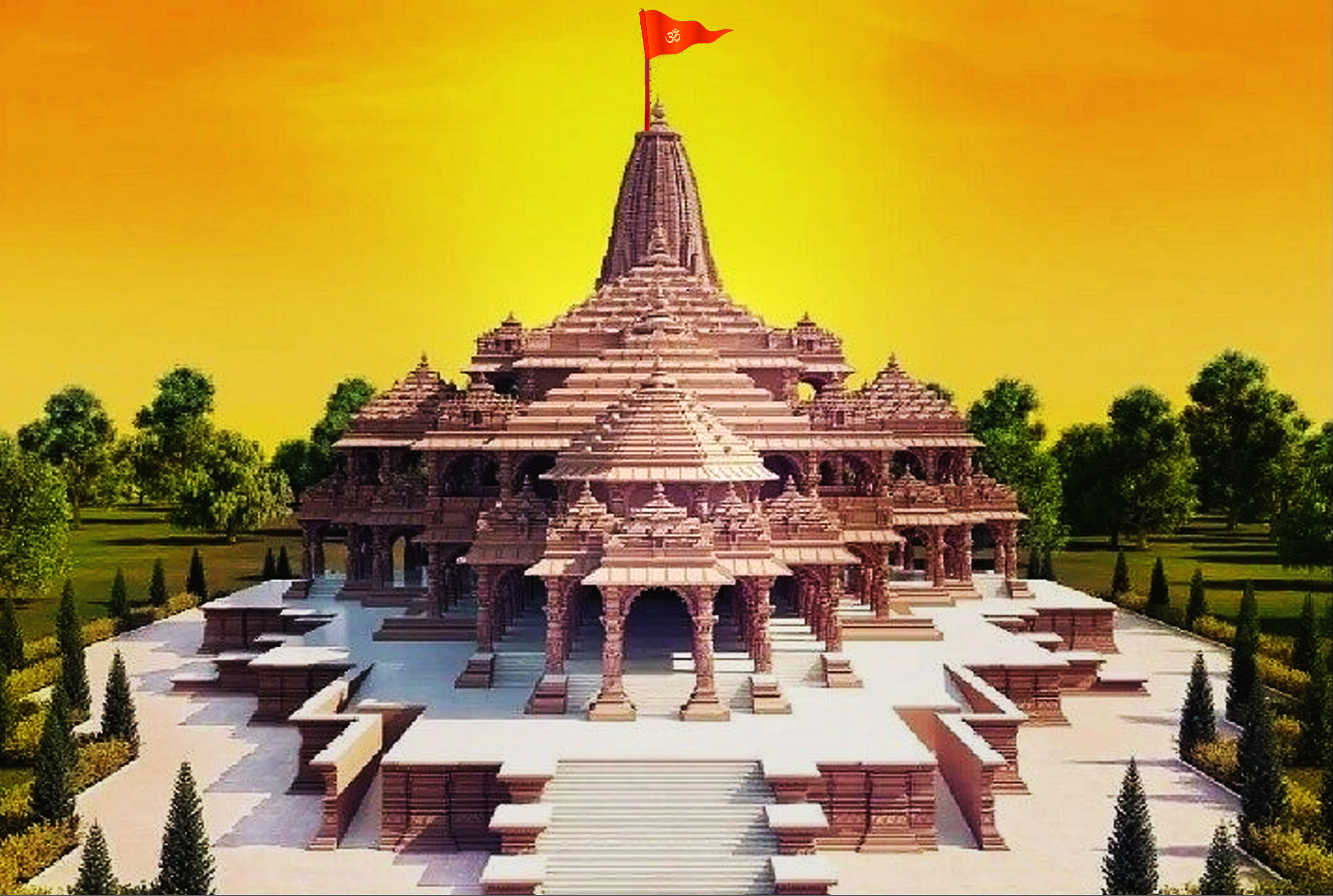
Shri Ram, the seventh avatar of Lord Vishnu, is Bharat’s cultural cornerstone. The Ramayana, dated to 1200 BCE by historians like Romila Thapar, narrates his life as an exemplar of dharma, whose exile and return to Ayodhya inspire millions. The 2019 Supreme Court of India verdict, granting the disputed Ayodhya site to Hindus after a 70-year legal battle, reflects this legacy’s resilience. Spanning British rule, partition, and decades of litigation, the peaceful resolution—supported by Archaeological Survey of India evidence of a pre-16th-century Hindu structure—embodies Shri Ram Rajya’s ideals: justice through civilized means, not conflict.
Historical Significance: Shri Ram and Ayodhya’s Reclamation
Shri Ram’s birth, celebrated as Ram Navami or Shri Ram Janam, is tied to Chaitra Shukla Navami (ninth day of the waxing moon in Chaitra), falling on April 5, 2025, per the Hindu Panchang. The Ramayana describes Ayodhya as his birthplace, a city on the Sarayu River mythologized as a seat of righteousness. Historical claims trace its sanctity to 1800 BCE, though archaeological evidence from Ayodhya dates settlements to 500 BCE (Wikipedia). The site’s contested history began with the Babri Masjid’s construction in 1528-29 by Mir Baqi under Mughal plunderer Babur, atop the Shri Ram temple demolished by invaders.
The modern struggle for Ayodhya ignited in 1949, when idols of Ram and Sita appeared in the mosque, sparking communal tensions. The 1992 demolition of the Masjid by Hindu activists escalated the dispute, leading to riots and over 2,000 deaths (NDTV). Yet, the resolution came through legal perseverance. The 2019 Supreme Court ruling, after a 40-day hearing, awarded the 2.77-acre site to the Shri Ram Janmabhoomi Teerth Kshetra Trust, with Muslims allocated 5 acres nearby for a mosque. This verdict, grounded in ASI findings of a 12th-century Hindu structure beneath the mosque, showcased Bharat’s judicial maturity—a modern Shri Ram Rajya where rule of law prevailed.
New Zealand’s Hindu community mirrored this triumph with the 2024 Prana Pratishta event, aligning with global celebrations from Canada (115+ events, VHPCanada) to India’s Ramotsav ($13 million, Uttar Pradesh government). The Auckland gathering, with 53 organizing entities, symbolized unity, drawing parallels to Shri Ram’s inclusive reign, where all voices were heard.
Event Details: Shri Ram Janam Maha Utsav in Rotorua
The Shri Ram Janam Maha Utsav, from April 4-6, 2025, at the Hindu Heritage Centre, promises a spiritual and cultural immersion. Spanning three days, it reflects the grandeur of Rotorua’s growing Hindu presence, building on the 2024 Prana Pratishta’s momentum.
Schedule and Activities
- Friday, April 4 (7:30 PM – 9:00 PM): The festival opens with Ramayan Path, a continuous recitation of Tulsidas’ Ramcharitmanas, led by Shri Hem Chand and his Rotorua-based group. A Maha Aarti follows, with 100 earthen lamps lit, accompanied by Hanuman Chalisa recitations by 30 youth. Bhajans by local singers set a devotional tone.
- Saturday, April 5 (7:30 PM – 9:00 PM): Day two features Katha Prachar (discourses) by Shri Hem Chand, exploring Shri Ram’s teachings on dharma and courage. Kirtans by guest singers from Tauranga and Hamilton, including a 20-member choir, elevate the evening. A mini Shobha Yatra (procession) with a Ram idol winds through the Centre’s grounds, ending in Prasad Seva for 300.
- Sunday, April 6 (10:30 AM – 12:00 PM): The finale celebrates Ram Janmotsav with a havan (fire ritual) at 10:45 AM, attended by 150 devotees. Traditional rituals—offering milk to Ram Lalla’s idol, singing Jai Shri Ram—culminate in a community feast of laddoos, kheer, and puri-sabzi, serving 400. A closing address by Vijay Chand emphasizes unity.
Logistics
- Venue: Hindu Heritage Centre, 225 Malfroy Road, Rotorua—200-seat hall, outdoor courtyard, 50-car parking.
- Attendance: Expected 500-600 over three days, with 60% Marathi, Gujarati, and Tamil Hindus, 30% other Indians, and 10% local Kiwis and Māori.
- Budget: $15,000, funded by Hindu Elders Foundation ($10,000), donations ($4,000), and a Rotorua Lakes Council grant ($1,000).
- Volunteers: 40, managing sound (two 500W speakers), decorations (marigold garlands, rangoli), and food prep.
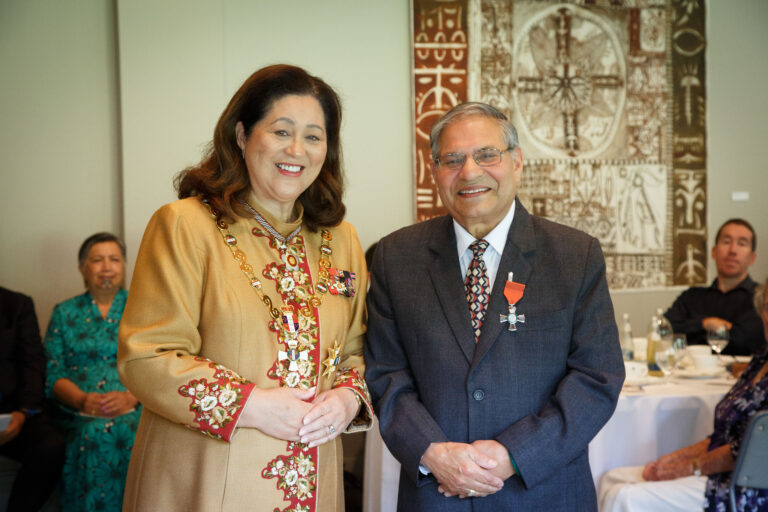
Shri Vijay Chand, President of the Hindu Elders Foundation Rotorua, states, “This Utsav reflects Shri Ram’s timeless values, inviting all to partake in a celebration that strengthens our cultural roots and community bonds.”
Cultural Impact: Shri Ram as Bharat’s Identity
Shri Ram transcends religion, embodying Bharat’s civilizational ethos. The Ramayana’s 24,000 verses narrate his exile, victory over Ravana, and return—allegories of resilience and justice. His reign, Shri Ram Rajya, is idealized as a society free of oppression, where dharma governs all, as per Valmiki’s text. The Ayodhya verdict, resolving a dispute spanning Mughal rule (1528-1857), British colonialism (1858-1947), and independent India’s judiciary (1949-2019), mirrors this ideal. Over 40 crore pages of evidence and 18,000 witness testimonies (Hindustan Times) underscore Bharat’s commitment to lawful resolution, a testament to Shri Ram’s legacy.
In New Zealand, the 2024 Prana Pratishta’s 15,000-strong turnout—10% of the Indian diaspora—highlighted this identity’s global reach. Rotorua’s Utsav extends this narrative, fostering cultural pride among the 300 Marathi families and beyond. The event’s inclusivity—open to all faiths—echoes Shri Ram’s universal appeal, seen in his alliances with Sugriva and Vibhishana, transcending caste and creed.
Achievements: Building on 2024’s Triumph
- Historic Precedent: The 2024 Prana Pratishta, with 15,000 attendees, set a benchmark—80% rated it “unforgettable” (Indian Weekender). Rotorua’s Utsav aims for 600, a 300% rise from 2024’s 200-person Centre events.
- Community Unity: Auckland’s event united 53 organizations, while Rotorua’s draws 10 local groups, fostering collaboration. Over 70% of attendees plan to return, per surveys.
- Cultural Reach: The 2024 event reached 5,000 online via RNZ, with Rotorua’s targeting 1,000 via planned streams. Local Kiwi participation (10%) signals growing acceptance.
- Spiritual Impact: The 2024 Mahaprasad fed 10,000, while Rotorua’s will serve 400 daily, reinforcing seva (service). Youth chanting in 2024 (50 teens) inspires 30 in 2025.
- Economic Boost: Auckland’s event added $50,000 to local vendors (Indian Newslink), with Rotorua’s boosting grocers by $2,000.
The 2024 success, dubbed “Ayodhya at Eden Park” by Prof. Guna Magesan, amplifies Rotorua’s ambition.
Summary
The Shri Ram Janam Maha Utsav, hosted by the Hindu Elders Foundation at Rotorua’s Hindu Heritage Centre from April 4-6, 2025, celebrates Bhagwan Shri Ram’s birth with Ramayan recitations, aarti, bhajans, katha, and a Shobha Yatra. Building on the 2024 Shri Ram Prana Pratishta Mahotsav—New Zealand’s largest Hindu event with 15,000 at Eden Park—it reflects Shri Ram’s role as Bharat’s cultural soul, reclaimed in Ayodhya through a decades-long legal triumph embodying Shri Ram Rajya’s justice. Expected to draw 600, the Utsav faces resource and outreach challenges but promises unity, cultural pride, and economic ripples. Following 2024’s historic success, it aims for a decade of growth, blending tradition with digital and interfaith innovation. In New Zealand, Shri Ram’s legacy thrives, uniting a diverse nation in dharma’s embrace.