Lara Zijl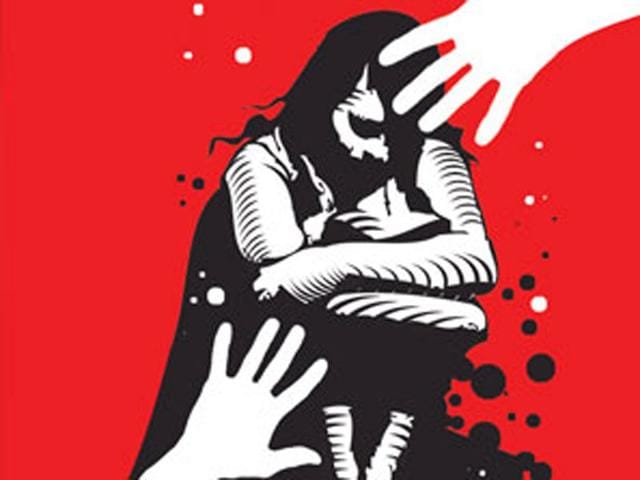
AUCKLAND, NEW ZEALAND – A 24-year-old German backpacker was allegedly gang-raped by three men in what police have described as a “horrific” attack in Auckland’s Central Business District (CBD) in the early hours of Tuesday, 1 April 2025. The incident, reported at approximately 2:30 AM NZDT near the intersection of Queen Street and Victoria Street, has sent shockwaves through the city, raising fresh concerns about safety in New Zealand’s largest urban centre. The alleged assault occurred as the woman, who had been travelling solo across the North Island, was walking back to her accommodation after a night out.
Three men, aged 21, 23, and 25, were arrested within hours of the incident and have been charged with sexual violation by rape. They appeared in the Auckland District Court on Tuesday afternoon, where they were remanded in custody without plea. For New Zealanders and the Indian diaspora—many of whom view Auckland as a gateway to the country—this case underscores the vulnerabilities faced by tourists and the broader implications for the nation’s reputation as a safe travel destination.
NZB News examines the details of this disturbing event, its historical context, and its impact on various stakeholders, offering a comprehensive look at a crime that has gripped the nation.
The Incident: What Happened?
According to Auckland City Police, the German backpacker had spent the evening of 31 March socialising with fellow travellers at a bar in the Viaduct Harbour precinct, a popular nightlife area. After parting ways with her group around 1:45 AM, she began walking alone towards her hostel in the CBD, roughly a 15-minute journey. It was during this walk, in a dimly lit section near Victoria Street, that she was allegedly approached by three men.
Detective Inspector Chris Barry, leading the investigation, told media that the woman was forcibly dragged into an alleyway off Queen Street, where the assault took place over approximately 20 minutes. A passerby, alerted by muffled cries, contacted emergency services at 2:28 AM. Police arrived swiftly, apprehending the suspects nearby after a brief foot chase. The victim was taken to Auckland City Hospital, where she received medical attention and is now under the care of specialist support services.
“The nature of this attack is horrific and deeply disturbing,” Barry said at a press conference on 1 April. “We’re working tirelessly to ensure justice is served and to support the victim through this traumatic ordeal.” The suspects, all Auckland residents, reportedly have no prior convictions for sexual offences, though police are investigating their backgrounds for potential links to other crimes.
Historical Context: Crime and Safety in Auckland’s CBD
Auckland, home to 1.6 million people, has long marketed itself as a vibrant, multicultural hub—New Zealand’s economic engine and a magnet for tourists. The CBD, with its mix of corporate towers, retail strips, and nightlife, is a focal point for visitors, including the 3.7 million international tourists who arrived in 2019, pre-COVID. Backpackers like the German victim are a common sight, drawn by affordable hostels and the city’s proximity to natural wonders like the Waitakere Ranges and Waiheke Island.
Yet, beneath this glossy image lies a history of safety concerns. Violent crime in the CBD has fluctuated over the decades. In the 1990s, the area grappled with street crime tied to economic downturns, prompting a police crackdown and urban renewal efforts. More recently, a 2022 Auckland Council report noted a 12% rise in reported assaults in the CBD between 2018 and 2021, attributed partly to alcohol-fuelled incidents near entertainment precincts. Sexual violence, while less common, has also surfaced periodically, with high-profile cases like the 2018 assault of a British tourist in Ponsonby amplifying public unease.
New Zealand’s overall crime rate remains low by global standards—Stats NZ reported 3,678 violent crimes per 100,000 people in 2023, compared to 6,410 in the United States. However, sexual violence statistics paint a grimmer picture: one in five Kiwi women experience sexual assault in their lifetime, per a 2021 Ministry of Justice study, with tourists occasionally among the victims. For context, Germany, the victim’s home country, reported 8,600 rapes in 2023, though its population of 84 million dwarfs New Zealand’s 5.1 million.
This latest incident echoes a 2014 case in which a Dutch backpacker was raped in Wellington, sparking national outrage and tighter safety measures in tourist hotspots. Auckland’s CBD, despite its 24/7 bustle, has blind spots—poorly lit alleys and understaffed patrols—that advocates argue need addressing.
Why Now? The Broader Context
The timing of this attack coincides with a busy period for Auckland’s tourism sector. Easter weekend 2025, which concluded on 30 March, drew thousands of visitors, including backpackers enjoying the tail end of New Zealand’s summer. The CBD’s nightlife, bolstered by events like the Auckland Arts Festival (running through late March), was in full swing, potentially stretching police resources thin.
Posts on X reflect a mix of shock and anger among Aucklanders. User
@kiwi_traveller wrote, “Queen St at night has always felt dicey—another wake-up call for council and police.” Others pointed to a perceived rise in antisocial behaviour post-COVID, though police data shows no significant uptick in sexual violence in 2024–25 to date.
Globally, tourist safety remains a hot topic. Germany’s Foreign Office advises travellers to New Zealand to exercise “normal caution,” a rating unchanged since 2019. However, this incident could prompt a review, especially as Europe’s summer holiday season nears, when German backpackers traditionally flock to the Southern Hemisphere.
Impact on Stakeholders
The alleged gang rape has far-reaching consequences for multiple groups:
- The Victim and Her Family: The 24-year-old, whose identity is protected under New Zealand law, faces a long recovery. She is receiving counselling through Rape Crisis Auckland and consular support from the German Embassy in Wellington. Her family, based in Bavaria, has reportedly flown to New Zealand to be with her.
- Tourism Industry: Tourism New Zealand, which welcomed 2.9 million visitors in 2024, relies on the country’s “100% Pure” image. This incident risks denting that reputation, particularly among solo female travellers—a growing demographic. Hostel owners in Auckland report early cancellations, with one manager telling NZB News, “Backpackers are spooked.”
- Auckland Residents: Locals, including the city’s 200,000-strong Indian diaspora, are rattled. Many view the CBD as a shared space for work and leisure, and this attack has reignited calls for better lighting, CCTV, and police presence. Community leaders like Amit Patel of the Auckland Indian Association expressed solidarity: “We stand with the victim and demand action.”
- Police and Justice System: The swift arrests showcase police efficiency, but the case will test the courts. Sexual violation by rape carries a maximum penalty of 20 years’ imprisonment. Public pressure for a tough sentence is mounting, with X users like @justice_nz urging, “Lock them up and throw away the key.”
- Government and Council: Auckland Council and the Labour-led Government face scrutiny over CBD safety. Mayor Wayne Brown, elected in 2022 on a law-and-order platform, promised to “clean up” the city. This incident could accelerate plans for a $10 million safety upgrade announced in January 2025.
For New Zealand’s Indian community, many with ties to bustling cities like Mumbai or Delhi, this case resonates as a reminder of urban vulnerabilities—though Auckland’s scale pales in comparison. Indian students and workers in the CBD may feel heightened caution in the weeks ahead.
Broader Implications
This attack raises questions about New Zealand’s social fabric. Is it an isolated act, or a symptom of deeper issues—alcohol culture, gender attitudes, or policing gaps? Internationally, it parallels incidents like the 2023 assault of a Canadian tourist in Sydney, prompting Australia to bolster tourist safety campaigns. New Zealand may follow suit, with potential impacts on visa policies or travel advisories.
The case also highlights the plight of solo female travellers, a group celebrated for their independence yet disproportionately targeted. Germany’s backpacking community, active on forums like Couchsurfing, is already buzzing with warnings about Auckland, potentially chilling future visits.
Summary
The alleged gang rape of a German backpacker by three men in Auckland’s CBD on 1 April 2025 has shaken New Zealand, exposing cracks in the city’s safety net. Occurring in a historical context of intermittent CBD crime, the attack has left a young woman traumatised, three suspects in custody, and a nation questioning its tourist-friendly veneer. Stakeholders—from the victim and her family to police, residents, and the tourism sector—face immediate and long-term fallout. As the case unfolds, it serves as a stark reminder of the fragility of safety in urban spaces, even in a country renowned for its peacefulness.