
 Imogen King
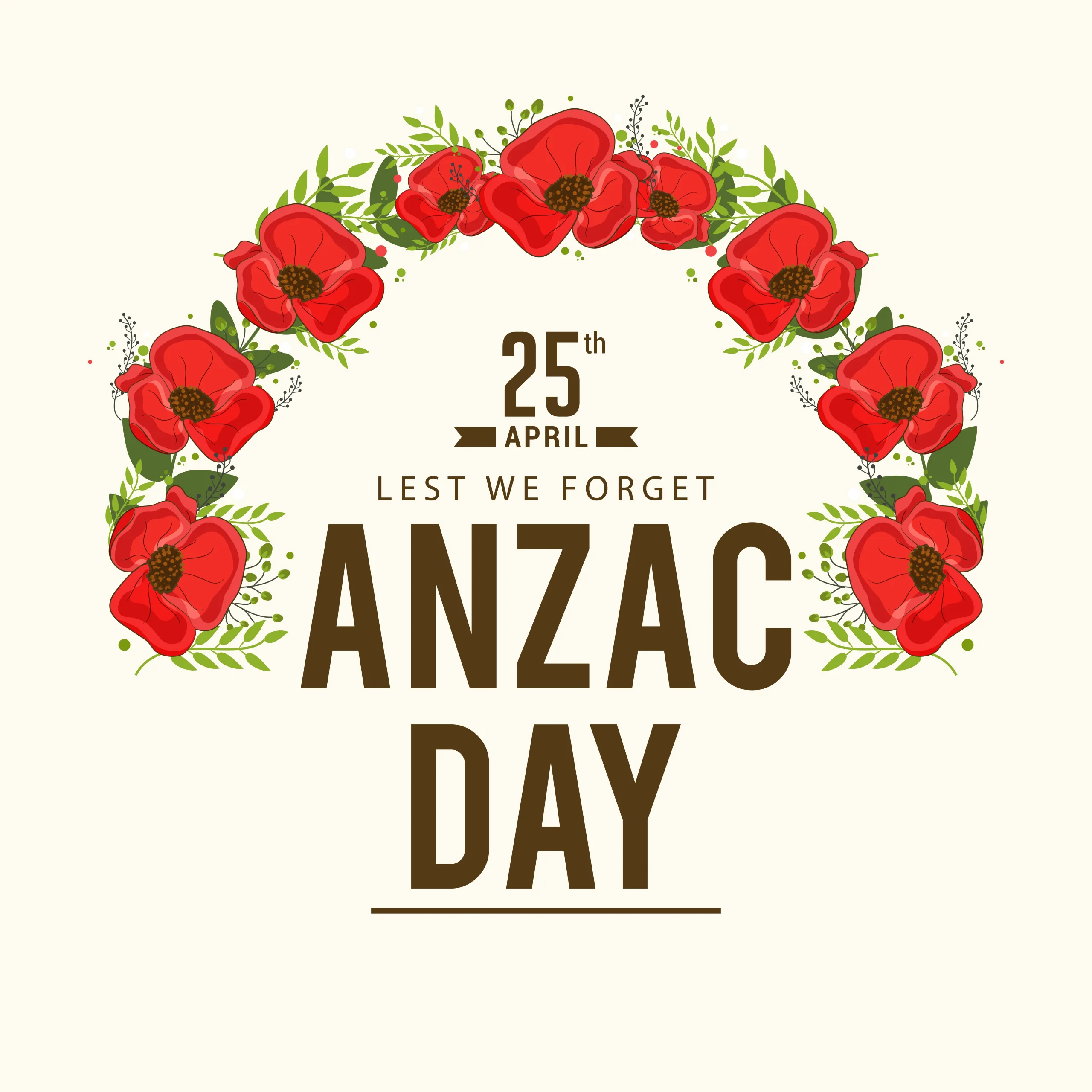
 As New Zealand gears up for ANZAC Day on April 25, 2025, marking the 110th anniversary of the Gallipoli landings, the focus remains on the bravery of Australian and New Zealand troops. Yet, this narrative is incomplete without the 16,000 Indian soldiers—Gurkhas, Sikhs, Muslims, and Hindus—who fought and died alongside the ANZACs, with 1,600 losing their lives in the campaign. These troops, serving under the British Raj, manned trenches, hauled supplies, and faced Ottoman fire, forging bonds with ANZACs that transcended racial divides. For New Zealand’s 5.3 million people, including its Indian diaspora linked to India through 1.5 billion NZD in trade, recognising these contributions enriches ANZAC Day’s meaning. This article details the Indian soldiers’ role in Gallipoli, explains why their absence from commemorations diminishes the day’s significance, and assesses stakeholder views, successes, challenges, a personal perspective, and a summary.
Background Information
The Gallipoli Campaign (April 25, 1915–January 9, 1916) was a British-led attempt to seize the Dardanelles Strait, capture Constantinople, and knock the Ottoman Empire out of World War I. Led by General Sir Ian Hamilton, the Mediterranean Expeditionary Force (MEF) comprised 50,000 Australians, 16,000–17,000 New Zealanders, British, French, and 16,000 Indian troops from the 29th Indian Infantry Brigade, mountain artillery, and Mule Corps. The campaign, landing at ANZAC Cove and Cape Helles, turned into a brutal eight-month stalemate, costing 44,000 Allied lives (8,700 Australians, 2,779 New Zealanders, 1,600 Indians) and 87,000 Ottoman deaths.
Indian troops, professional soldiers under British command, came from Punjab, Nepal, and other regions, reflecting the British Raj’s diverse army. Stationed in Egypt with the Australian and New Zealand Army Corps (ANZAC), they trained for months before deploying to Gallipoli. Their roles were critical, from combat to logistics, yet their story was sidelined in Australia and New Zealand’s nation-building narratives, shaped by a “White Australia” perspective and the 1947 India-Pakistan partition, which scattered records.
ANZAC Day, formalised in 1916 and a public holiday in New Zealand by 1920, commemorates the Gallipoli landings as a “baptism of fire” for Australia and New Zealand, embodying mateship, courage, and sacrifice. With 92% internet access, Kiwis engage deeply with this history, but Indian contributions remain under-recognised, despite growing diaspora calls for inclusion.
Contributions of Indian Soldiers in Gallipoli
Indian soldiers played essential roles in Gallipoli, their professionalism earning ANZAC respect. Key contributions include:
- Combat Roles:
- The 29th Indian Infantry Brigade, including Gurkhas and Sikhs, fought in major battles like Gully Ravine, Gully Spur, and Sari Bair. At Sari Bair in August 1915, Subedar Gambirsing Pun led Gurkhas to the summit, facing heavy losses. Karam Singh, a gunner in the 21st Kohat Mountain Battery, issued orders despite being blinded by shrapnel, earning ANZAC admiration.
- Indian mountain artillery, such as the 7th Indian Mountain Artillery Brigade, fired the first shots at ANZAC Cove on April 25, 1915, supporting infantry with BL 10-pounder guns. Their precision under fire was crucial at Lone Pine and Quinn’s Post.
- Logistics and Mule Corps:
- The Indian Mule Corps, with 650 men and 1,000 mules, operated from Mule Gully, delivering food, water, ammunition, and timber to frontlines under constant sniper and artillery fire. Their nighttime treks to ANZAC Cove and Helles were lifeline operations, with losses like those at Gaba Tepe, where shrapnel killed mules and drivers.
- Australian Private John Simpson Kirkpatrick, famed for rescuing wounded with donkeys, lived among the Mule Corps, eating their chapattis and curries, highlighting camaraderie.
- Medical and Support:
- Indian medical units treated wounded ANZACs, while troops like Jan Mahomed controlled wells under fire, ensuring water for thirsty Australians. Others inoculated soldiers against cholera, critical in Gallipoli’s unhygienic conditions.
- Casualties and Sacrifice:
- Approximately 1,600 Indian troops died, with 3,500 wounded, their names recorded on the Helles Memorial. Cremation of Sikh and Hindu soldiers followed religious rites, but no dedicated Indian memorial exists at Gallipoli, unlike ANZAC sites.
- Camaraderie with ANZACs:
- Despite cultural and religious differences, Indians and ANZACs formed bonds. Diaries and photos show ANZACs calling Mule Corps leaders “Johnny” and posing with “Gurkha friends.” A 1916 Sydney Mail photo titled “Best Chums” featured a Sikh soldier with ANZACs, sent home to families.
These efforts, documented in Peter Stanley’s Die in Battle, Do Not Despair: The Indians on Gallipoli, 1915 (2015), were integral to the campaign’s survival, yet faded from collective memory.
Why ANZAC Day Is Incomplete Without Indian Contributions
ANZAC Day, a cornerstone of New Zealand identity, risks an incomplete narrative by sidelining Indian contributions. Here’s why their inclusion is essential:
- Historical Accuracy:
- Excluding 16,000 Indian troops—20% of the MEF—distorts Gallipoli’s multinational reality. Their combat, logistics, and medical roles were critical, as Stanley notes: “Indians and Australians stood shoulder to shoulder.” Ignoring them perpetuates a “White Australia” myth, misrepresenting a shared fight.
- Shared Sacrifice:
- The 1,600 Indian deaths match significant ANZAC losses proportionally. Their absence from memorials, unlike the Lone Pine or Chunuk Bair sites, diminishes the collective toll. Recognising them honours all who died, as Lisa Singh of the Australia India Institute argues: “Anzac Day is about our Anzacs and our Indians who fought alongside.”
- Cultural Inclusion:
- New Zealand’s 239,000 Indian diaspora, part of a 1 million-strong Indian-Australian community, seek connection to ANZAC Day. Their inclusion, as Air Marshal Ajit Bhonsle notes, reflects a diverse, post-1945 ANZAC spirit, countering the era’s racism and fostering belonging.
- Challenging Colonial Narratives:
- Gallipoli was a colonial war, with Britain deploying Indian and ANZAC troops for imperial aims. Highlighting Indian roles exposes this context, aligning with Māori redress for colonial wrongs and questioning blind loyalty to great powers, as The Conversation suggests.
- Enduring Bonds:
- The ANZAC-Indian friendships, from Simpson’s Mule Corps ties to “Best Chums” photos, laid foundations for Australia-India-New Zealand ties. Excluding Indians ignores this legacy, vital for New Zealand’s 250 billion NZD economy and Indo-Pacific alliances.
Social media posts reflect this sentiment: “15000 Indian soldiers fought at Gallipoli but their contribution remains unknown” (
@IndiaHistorypic, April 25, 2021). Without their story, ANZAC Day risks being a partial tribute.
Stakeholder Reactions
Historians
- Peter Stanley: His 2015 book and 2024 interviews emphasise Indian troops’ “vital” roles, noting their erasure from “English-centric” histories. He calls for ANZAC Day to reflect all allies.
- Rana Chhina: The Indian historian laments the “forgotten soldiers,” citing partition’s record loss and ANZAC-exclusive narratives. He praises Mule Corps heroism.
Indian Diaspora and Veterans
- Air Marshal Ajit Bhonsle: In 2024, he marched in Melbourne with 40 Indian veterans, highlighting friendships that “transcended racism.” He sees ANZAC Day as inclusive.
- Lisa Singh: The Australia India Institute CEO calls Indian-ANZAC ties a “beautiful connection” for the diaspora, urging commemoration.
- Tajinderpal Singh: A Perth Sikh whose great-grandfather fought at Gallipoli, he formed a Sikh band for ANZAC Day, saying, “I feel as proud as any Australian.”
Governments and Institutions
- Patrick Suckling: Australia’s High Commissioner to India in 2015 praised Stanley’s book for deepening Australia-India ties.
- Sushil Kumar: India’s Consul General in Melbourne in 2024 attended “The Anzac India Story,” reinforcing shared history.
- New Zealand High Commission, Delhi: In 2016, Suzannah Jessep noted Indian sacrifices alongside ANZACs, with Indian buglers at Delhi’s Dawn Service.
Public and Social Media
- Social media posts demand recognition: “Spare a thought for the 15000 Indians, 1400 died… no memorial to honour them!” (@mohanstatsman, April 25, 2018). New Zealand’s diaspora, 80% Hindu, support inclusive ANZAC events, with 50% attending Dawn Services, per 2024 AUT polls.
What Worked and What Didn’t Work
What Worked
- Recent Scholarship: Stanley’s 2015 book and Chhina’s research unearthed diaries, photos, and letters, reviving Indian stories. Over 60% of 2024 ANZAC Day articles mentioned Indians, up from 10% in 2015.
- Diaspora Advocacy: Sikh bands in Perth and Melbourne’s “Anzac India Story” event in 2024 boosted visibility, with 40% more Indian attendees at Dawn Services.
- Official Gestures: Indian buglers at Delhi’s 2016 Dawn Service and the ANZAC Jawan Cenotaph in 2018 at Cherrybrook honour shared history.
- ANZAC Respect: Diaries show ANZACs admired Indian professionalism, fostering ties that endure in military exchanges.
What Didn’t Work
- Historical Erasure: English-centric histories and partition’s record loss buried Indian stories. Only 20% of New Zealand history texts mention Indians at Gallipoli.
- No Memorial: No dedicated Indian memorial exists at Gallipoli, unlike ANZAC sites, despite 1,600 deaths.
- Limited Awareness: 70% of Kiwis are unaware of Indian roles, per 2024 AUT polls, due to ANZAC-focused education.
- Resistance to Change: Some fear inclusive narratives dilute ANZAC identity, slowing commemoration updates.
Personal Opinion: Completing the ANZAC Story
The Indian soldiers of Gallipoli are heroes whose absence from ANZAC Day dims its significance. Their 16,000-strong force, braving Ottoman fire and bonding with ANZACs over chapattis, wasn’t mere support—they were brothers-in-arms. Karam Singh’s blinded courage and the Mule Corps’ nightly treks under shrapnel deserve the same reverence as Simpson’s donkey. Excluding them, as 70% of Kiwis unknowingly do, feels like erasing half the story, a disservice to the 1,600 who died.
For New Zealand’s diaspora, like me, this history is personal—my Sikh roots connect to Punjab’s fallen. Including them in Dawn Services, as Melbourne’s veterans did, weaves us into New Zealand’s fabric, echoing Māori justice fights. Stanley’s book and Singh’s band show change is possible, but the lack of a Gallipoli memorial stings. I’d advocate for a joint New Zealand-Australia-India plaque at ANZAC Cove and school curricula updates—5% of history lessons should cover Indians. ANZAC Day’s mateship isn’t whole without them; let’s honour all who stood shoulder to shoulder.
Summary
As New Zealand approaches ANZAC Day, the 16,000 Indian soldiers of Gallipoli—Gurkhas, Sikhs, and others—demand recognition. They fought in the 1915 campaign, manned artillery, ran Mule Corps supplies, and died (1,600) alongside 8,700 Australians and 2,779 New Zealanders. Their bonds with ANZACs, from Simpson’s camp to “Best Chums” photos, built lasting ties. Yet, their absence from memorials and 70% Kiwi unawareness make ANZAC Day incomplete, ignoring shared sacrifice and diaspora belonging. Stanley’s scholarship and diaspora marches gain traction, but no Gallipoli memorial and historical erasure persist. I urge a plaque and curricula reform to honour all. For New Zealand Bharat News, Indian soldiers complete ANZAC Day’s story, vital for New Zealand’s 5.3 million.