

 Lara Zijl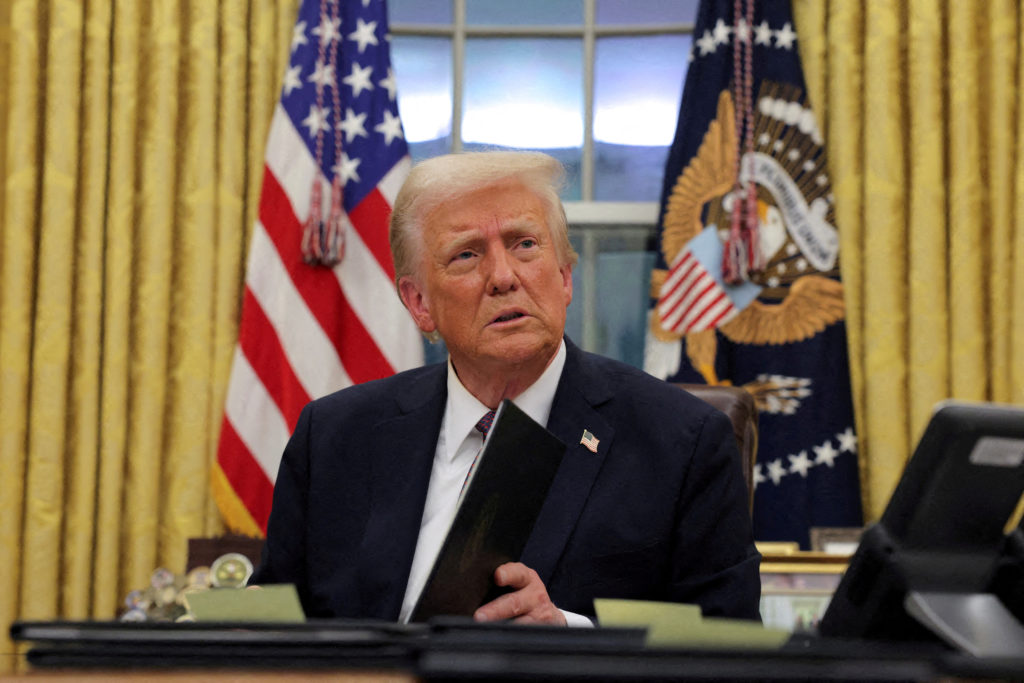
Donald Trump’s presidency during his second term profoundly influenced Canada’s political landscape. His trade policies and provocative rhetoric became central themes in Canada’s 2025 federal election, reshaping voter priorities and party strategies. This article explores how Trump’s actions disrupted economic ties, fueled nationalist sentiment, and altered the course of Canadian politics.
Trade Wars and Economic Shockwaves
Trump’s administration imposed steep tariffs on Canadian steel, aluminum, and automobile imports, straining the long-standing economic partnership between the two countries. Canada responded with retaliatory tariffs on a wide range of American goods, including agricultural products and manufactured items. These tit-for-tat tariffs unsettled key industries, particularly the automotive sector, and raised costs for consumers.
The escalating trade tensions dominated political discourse in Canada, with many voters concerned about job losses and economic uncertainty. The Liberal government’s response, involving additional tariffs on U.S. goods, was both praised as necessary defense and criticized as risking further escalation. Provincial leaders voiced their own concerns, threatening measures such as cutting electricity exports to U.S. states in protest.
Annexation Rhetoric and Nationalist Backlash
Beyond trade disputes, Trump’s repeated comments suggesting that Canada could become the 51st state of the United States sparked widespread indignation. His casual references to Canadian leaders as “governors” and questioning of the legitimacy of the Canada-U.S. border were perceived as direct affronts to Canadian sovereignty.
These remarks galvanized a broad political consensus across parties condemning such rhetoric. Public demonstrations, including symbolic protests at hockey games, revealed a surge in Canadian nationalism. The election campaign was framed by many as a defense of Canada’s independence and identity.
The 2025 Election: Trump as a Central Factor
The Canadian federal election took place amid this charged atmosphere. Initially, the Liberal Party faced declining popularity due to domestic economic challenges and leadership fatigue. However, Trump’s aggressive trade policies and annexation comments revitalized Liberal support, as many Canadians rallied behind a government seen as standing up to U.S. pressure.
The Liberals replaced their leader with a technocrat known for economic expertise, who positioned the party as the defender of Canadian interests and global cooperation. The opposition Conservatives, while critical of the Liberals, struggled to articulate a clear stance on Trump’s actions, balancing criticism of the government with caution about antagonizing the United States.
Long-Term Consequences for Canada
Trump’s presidency exposed Canada’s economic vulnerabilities stemming from heavy reliance on the U.S. market. This realization prompted calls for diversifying trade partnerships and strengthening ties with other global regions. The political landscape shifted, with nationalist and progressive voices gaining prominence, reflecting a more assertive Canadian identity.
Youth engagement in politics increased, driven by concerns over climate change and sovereignty. The strained relationship with the U.S. also complicated diplomatic efforts, with lingering mistrust affecting negotiations on trade and security.
Expert Views
Political analysts agree that Trump’s policies were a catalyst for significant shifts in Canadian politics. His interventions altered voter behavior, party dynamics, and policy priorities. While some view the resulting political realignment as an opportunity for Canada to assert itself more independently, others warn of the economic risks posed by fractured relations with its largest trading partner.
Conclusion: A Lasting Legacy
Donald Trump’s tenure as U.S. president left an indelible mark on Canada. By challenging economic ties and questioning sovereignty, he inadvertently fostered a renewed sense of national unity and political engagement in Canada. The repercussions of this period continue to influence Canada’s domestic politics and its approach to international relations.
If you would like, I can prepare the next article on Canada-U.S. relations post-election, the rise of Canadian nationalism, or economic diversification strategies. Please let me know your preference.









Good