Lara Zijl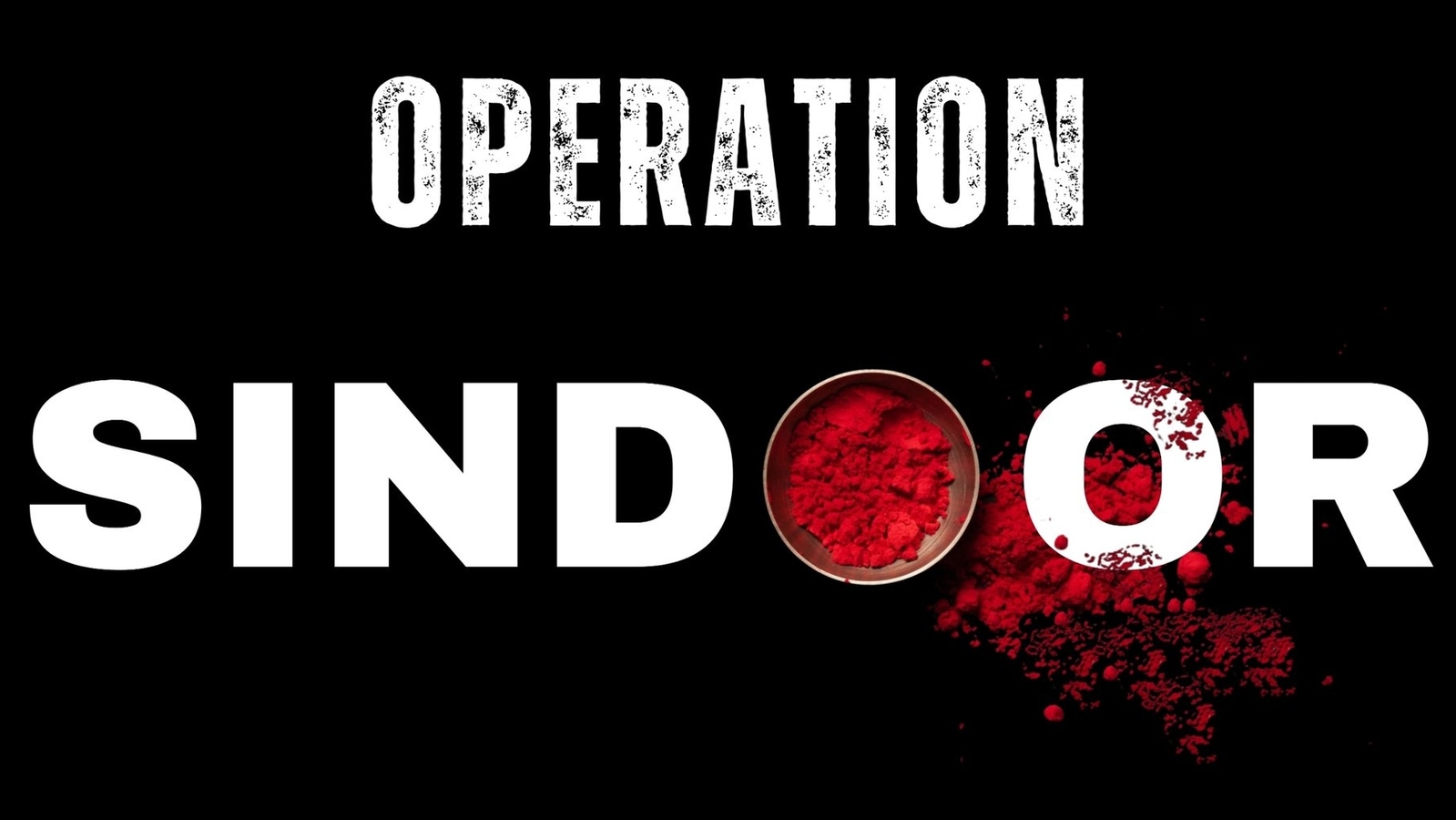
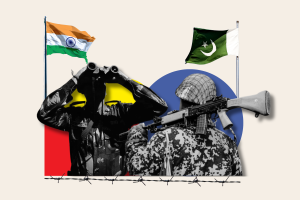
Tensions between India and Pakistan remain at a boiling point following a series of targeted Indian strikes on terrorist infrastructure in Pakistan and Pakistan-occupied Jammu & Kashmir (PoJK). These precision operations, launched in response to the brutal April 22 attack on Hindu pilgrims in Kashmir, have triggered a wave of military and diplomatic posturing, cross-border shelling, and heightened alert across the region.
India’s Targeted Strikes: Hitting Terror at Its Roots
India’s armed forces executed a coordinated operation, striking nine major terrorist camps deep inside Pakistan and PoJK. According to Indian officials, these sites served as indoctrination, training, and launch pads for cross-border attacks, including the recent massacre of civilians in Kashmir. The Indian government has reiterated that the strikes were precise, aimed solely at terror infrastructure, and avoided civilian or economic targets. Indian Defence Minister Rajnath Singh has stated that over 100 terrorists were neutralised in these operations, sending a clear message that India will not tolerate attacks on its soil.
Pakistan’s Claims and Countermeasures
Pakistan, while denying any involvement in the Kashmir violence, has claimed that Indian strikes targeted civilian locations and that its air defences shot down multiple Indian drones and aircraft. Islamabad has also asserted that it intercepted attempts by India to strike military installations with drones and missiles. The Indian embassy has dismissed reports of downed jets as misinformation.
In retaliation, Pakistan has pledged to respond at a “time, place, and manner of its choosing,” with its military leadership warning of significant consequences for what it terms “naked aggression.” Pakistani forces have intensified cross-border shelling, leading to civilian casualties and displacements on both sides of the Line of Control.
Civilian Impact and Regional Disruption
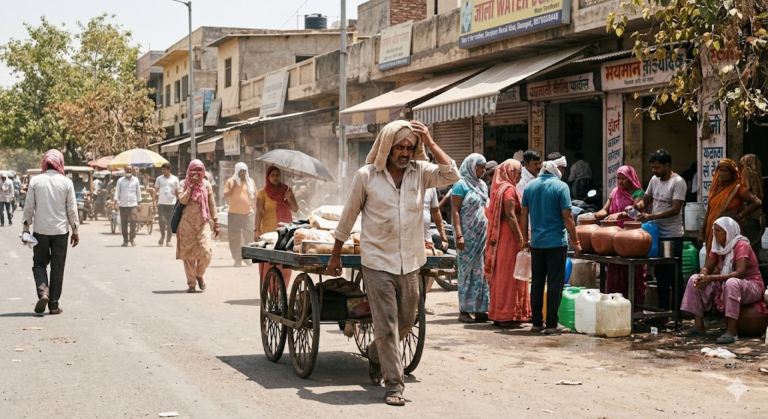
The escalation has taken a heavy toll on civilians. India reports at least 16 civilian deaths from Pakistani shelling, while Pakistan claims 31 of its civilians have died due to Indian strikes and subsequent cross-border violence. Villages near the border in Jammu and Kashmir have been evacuated, and blackout drills are in effect. Panic-buying and mass movement to safer areas have been reported in Punjab and other northern states.
Airspace restrictions have further disrupted daily life, with over 20 airports in northern India closed and major airports in Pakistan shut down for extended periods. The movement of goods and people across the region has been severely hampered, reflecting the seriousness of the security situation.
Diplomatic Manoeuvres and International Pressure
Both countries have engaged in intense diplomatic activity. India has called on the international community to pressure Pakistan to dismantle its terror infrastructure and cease cross-border attacks. The Indian government has emphasised that its actions are defensive and targeted only at terrorist elements, not civilians or the Pakistani state.
Pakistan’s leadership has sought to rally international support, claiming its sovereignty has been violated and calling for intervention. High-level communications have taken place with the United States, Saudi Arabia, and Iran, with mediators dispatched to both capitals. The United Nations and other world leaders have called for maximum restraint, warning of the global stakes involved in a potential military clash between two nuclear-armed nations.
Military Readiness and Next Steps
Both militaries remain on high alert. India has reinforced its forward deployments, activated air defence systems, and conducted blackout drills in sensitive areas. The Indian Navy and Air Force are fully integrated with ground operations, maintaining a posture of readiness to respond to any further provocation. Pakistan’s armed forces have also mobilised, with parliament authorising a military response and public statements warning of further action.
Despite the heated rhetoric, there are indications of limited back-channel communication, with national security advisers from both sides reportedly in contact. Analysts suggest that while both governments are under pressure to demonstrate strength, neither seeks a full-scale war. The coming days may see further cross-border exchanges, but there is also hope that diplomatic efforts could de-escalate the situation.
Summary
The India-Pakistan standoff has entered a dangerous phase, with both sides trading strikes, accusations, and threats. India’s targeted operations against terror camps in Pakistan and PoJK have been met with Pakistani countermeasures and warnings of future retaliation. Civilians on both sides of the border are bearing the brunt of the escalation, as international leaders urge restraint and mediation. The world watches closely as two nuclear neighbours navigate the most serious crisis in years, with the hope that reason and diplomacy will ultimately prevail over conflict.