 Theodora Chapman
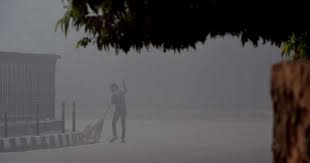
 A thick, gritty layer of dust has blanketed Delhi and the National Capital Region (NCR), reducing visibility, degrading air quality, and leaving millions struggling with respiratory discomfort. This sudden environmental event, which peaked on May 15, 2025, has prompted widespread concern and questions about its origins, severity, and broader implications. Here’s a comprehensive analysis of why this dust episode occurred, the meteorological and environmental factors behind it, and what it means for the region.
Immediate Cause: Dust Storms and Gusty Winds
The primary trigger for the current dust episode is a powerful dust storm that swept through Delhi-NCR overnight on May 14-15. According to the India Meteorological Department (IMD), strong surface winds-gusting at 30–40 km/h-picked up loose dust from the arid regions of western Rajasthan and parts of Pakistan. This dust was then carried eastward across Punjab and Haryana, eventually settling over Delhi-NCR. The phenomenon was intensified by a high-pressure gradient over Northwest India, which created ideal conditions for dust to be lifted and transported over long distances.
Residents woke up to a city shrouded in haze, with air quality plunging into the ‘poor’ or even ‘very poor’ category. Visibility at key locations, such as the Indira Gandhi International Airport, dropped from 4,000–4,500 meters to as low as 1,200 meters during the night, before gradually improving as the dust began to disperse.
Meteorological Dynamics: Why Now?
Several meteorological factors converged to create this dust storm:
- High-Pressure Gradient: A pronounced north-south pressure gradient developed over Northwest India, driving strong westerly and northwesterly winds across the region.
- Dry, Hot Conditions: Preceding days saw a heatwave in Delhi-NCR, with temperatures soaring above 40°C. Such hot, dry weather dries out the soil, making it easier for winds to lift dust particles.
- Cloud Mass Movement: An incoming cloud mass and sudden atmospheric instability further contributed to gusty winds, which are highly efficient at raising and carrying dust.
- Source Regions: The dust originated primarily in Rajasthan’s arid zones, but the IMD also noted that dust from southern Pakistan was advected into India, highlighting the transboundary nature of these events.
Environmental and Human Factors
While the dust storm itself was a natural meteorological event, several human-induced factors have exacerbated the situation:
- Land Degradation: Overgrazing, deforestation, and unsustainable agricultural practices in Rajasthan and neighboring regions have left large tracts of land bare and vulnerable to wind erosion.
- Urban Construction: Massive construction activity in Delhi-NCR generates local dust, which mixes with incoming storm dust, compounding the problem.
- Vehicular and Industrial Emissions: While not the primary cause of this dust event, ongoing emissions from vehicles and factories worsen baseline air quality, making the effects of dust storms more severe.
Air Quality Impact
The dust storm caused a dramatic spike in particulate matter (PM10 and PM2.5) concentrations. Air quality monitoring stations recorded AQI values as high as 389 in some areas, well above the safe limit. Residents reported eye irritation, coughing, and breathing difficulties, especially among vulnerable groups like children, the elderly, and those with pre-existing respiratory conditions.
Why Is This Unusual for May?
Delhi-NCR is no stranger to air pollution, but thick dust storms are more common during the pre-monsoon months (April–June) when hot, dry winds prevail. However, the intensity and duration of this episode have surprised many residents. The combination of a strong pressure gradient, unusually high temperatures, and a large reservoir of loose dust in the source regions created a “perfect storm” for this event.
The “Pakistan Link” and Regional Dust Transport
Meteorologists have pointed out that part of the dust mass originated in southern Pakistan, carried by strong westerly winds into India. This highlights the regional and transboundary nature of dust storms in northern India, where weather systems and environmental conditions in neighboring countries can directly impact local air quality. Such cross-border dust transport is not new, but it underscores the need for regional cooperation in land management and environmental monitoring.
How Does This Compare to Other Pollution Sources?
While dust storms are episodic, Delhi’s chronic air pollution is driven by multiple sources:
- Vehicular Emissions: Account for up to 40% of Delhi’s air pollution, especially nitrogen oxides and fine particulates.
- Industrial Activity: Factories in and around NCR emit sulfur dioxide, PM, and other pollutants.
- Construction Dust: Ongoing urban development is a major local source of coarse dust.
- Crop Stubble Burning: Seasonal burning in Punjab and Haryana causes severe pollution spikes, especially in autumn.
- Domestic Fuel Use and Waste Burning: Add to the particulate load, particularly in informal settlements.
Unlike these sources, dust storms are driven by meteorological events but can interact with local pollution, leading to even higher health risks.
Health and Safety Advisory
Authorities have advised residents to:
- Stay indoors as much as possible during peak dust periods.
- Use masks or damp cloths to cover the nose and mouth when outside.
- Keep windows and doors closed to prevent dust ingress.
- Stay hydrated and avoid strenuous outdoor activity.
What Happens Next?
The IMD forecasts that as winds subside and humidity increases, the dust will gradually settle, and visibility and air quality should improve. However, with the pre-monsoon season continuing, similar episodes remain possible if hot, dry, and windy conditions persist.
Summary
The thick layer of dust covering Delhi-NCR is the result of a powerful dust storm driven by strong westerly winds, a high-pressure gradient, and hot, dry weather. Dust from Rajasthan and Pakistan was swept across the region, leading to a sudden and severe decline in air quality and visibility. While such events are not unprecedented, their intensity is amplified by environmental degradation, urban activity, and chronic pollution. The episode serves as a stark reminder of the interplay between natural and human factors in shaping Delhi’s air quality and the urgent need for both local and regional action to mitigate such risks in the future.