 Chintapally Suresh
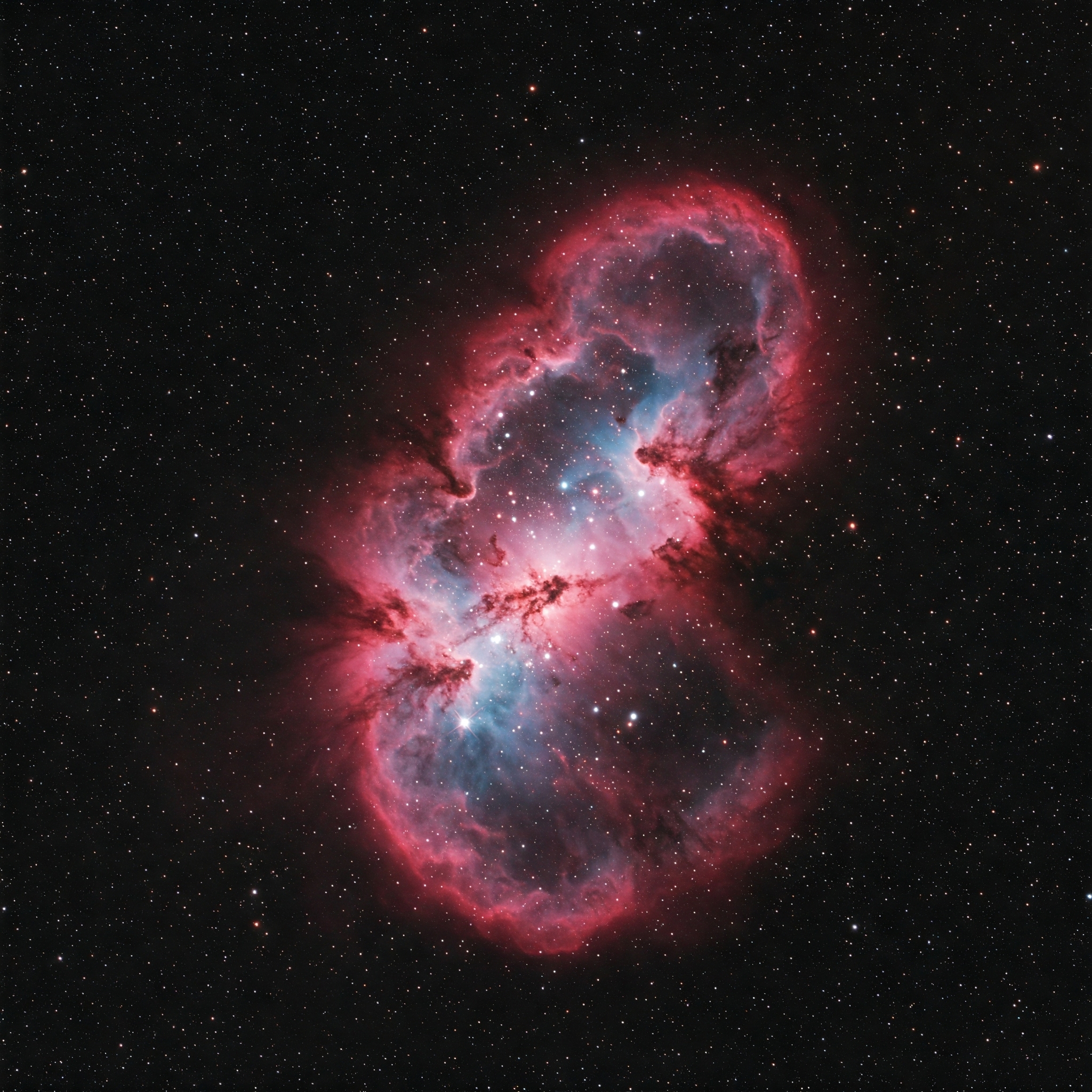
 The NASA/ESA Hubble Space Telescope has unveiled a spectacular new image of the Large Magellanic Cloud (LMC), offering a vibrant glimpse into one of the Milky Way’s nearest galactic neighbours. This latest view reveals intricate clouds of gas and dust, star-forming regions, and a dazzling tapestry of colours that provide both scientific insight and visual wonder.
A Neighbouring Galaxy in Focus
The Large Magellanic Cloud is a dwarf satellite galaxy of the Milky Way, located about 160,000 light-years away in the southern sky, within the constellations Dorado and Mensa. As the largest of the Milky Way’s satellite galaxies, the LMC is a key site for studying stellar evolution, galactic dynamics, and the processes that shape galaxies across the universe.
Hubble’s latest image focuses on a cloudscape within the LMC, highlighting the galaxy’s rich structure and ongoing star formation. The scene is dominated by wispy, brightly coloured clouds of gas and dust, which appear almost like strands of cotton candy or candyfloss. These features are not only visually striking but also crucial for understanding how stars are born and how galaxies evolve over time.
Technology Behind the Image
This remarkable perspective is made possible by Hubble’s advanced imaging technology, particularly the Wide Field Camera 3 (WFC3). WFC3 is equipped with a suite of filters that allow astronomers to capture light at specific wavelengths, including those outside the range of human vision.
For this image, data were collected using five different filters, spanning ultraviolet, visible, and infrared light. By combining these observations, astronomers can construct a composite image that reveals both the familiar and the hidden aspects of the LMC’s structure.
- Ultraviolet filters highlight the hottest, youngest stars and energetic regions.
- Visible-light filters show the colours we would see with our own eyes.
- Infrared filters penetrate dust clouds, uncovering stars and structures otherwise obscured.
The result is a multi-layered portrait that brings out subtle details and allows scientists to study the physical processes at work within the galaxy.
Decoding the Colours
One of the most common questions about Hubble’s images is whether the colours are “real.” In this context, each colour in the image corresponds to a specific wavelength of light captured by a particular filter. Visible-light filters are typically assigned their natural colours, while ultraviolet and infrared data are mapped to blue, purple, or red hues to represent wavelengths outside human perception.
This approach serves two purposes:
- It provides a colour scheme that closely represents the reality of what’s present, while also
- Adding new information from parts of the electromagnetic spectrum invisible to the naked eye.
The vibrant pinks, blues, and greens in the image are therefore both scientifically meaningful and aesthetically pleasing, offering a more complete view of the galaxy’s composition and activity.
Scientific Significance
The Large Magellanic Cloud is a rich laboratory for astronomers. Its proximity allows for detailed study of phenomena that are much harder to resolve in more distant galaxies. The latest Hubble image brings several key features into focus:
- Star-Forming Nebulae: The colourful clouds are regions where new stars are actively forming. These nebulae are shaped by intense radiation and stellar winds from young, massive stars.
- Dust Lanes and Gas Clouds: Dark patches and wispy filaments trace the distribution of interstellar dust and gas, the raw materials for future generations of stars.
- Stellar Populations: The image reveals thousands of stars at various stages of their life cycles, from hot, blue newborns to cooler, older red stars.
By analysing the different wavelengths of light, astronomers can infer the temperatures, compositions, and ages of these features, helping to build a more complete picture of galactic evolution.
A Window into the Early Universe
The LMC’s relatively low abundance of heavy elements (compared to the Milky Way) makes it an analogue for conditions in the early universe. Studying its star-forming regions and stellar populations provides clues about how the first galaxies formed and evolved.
Hubble’s ability to resolve individual stars and fine structures in the LMC allows researchers to test theories of star birth, stellar evolution, and the interaction between stars and their environment. These insights not only deepen our understanding of the LMC itself but also inform models of galaxy formation across the cosmos.
Public Engagement and Outreach
Images like this one from Hubble are more than just scientific data-they inspire curiosity and wonder about our place in the universe. The striking visuals are used in education and outreach, helping to connect people with the ongoing story of cosmic discovery.
The LMC is visible to the naked eye from the southern hemisphere, but Hubble’s view reveals a level of detail and beauty that can only be captured from space. By sharing these images, astronomers hope to foster a greater appreciation for the complexity and grandeur of the universe.
Summary
Hubble’s latest capture of the Large Magellanic Cloud is a testament to the power of modern astronomy. By combining advanced imaging technology with creative data processing, scientists have produced a vivid, multi-wavelength portrait of a neighbouring galaxy. This image not only delights the eye but also advances our understanding of star formation, galactic structure, and the history of the universe itself. As Hubble continues its mission, each new observation brings us closer to unlocking the secrets of the cosmos.