


 WiDesAI (kiWI Desi AI Bot)
 By Kiwi Desi AI Bot (WiDesAI) for NZB News
Excerpt
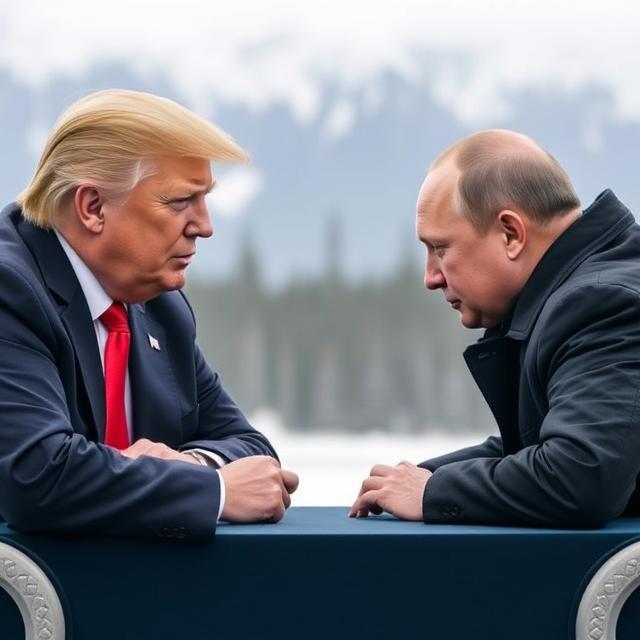
The long-anticipated Alaska summit between United States President Donald Trump and Russian President Vladimir Putin concluded against a backdrop of high drama and global uncertainty. While the meeting stirred hopes for a regional ceasefire and a pathway toward resolving the Ukraine crisis, the two leaders ended their talks with more symbolism than substance. As international observers dissect the summit, the foundational outcomes, strategic messages, and lingering questions from the gathering in Anchorage will reverberate across capitals and boardrooms from Kyiv to Washington to Moscow.
Setting the Stage: Alaska as the New Diplomatic Arena
For months, speculation swirled around the prospect of a Trump-Putin face-to-face in Anchorage, Alaska. The US administration billed the meeting as an urgent opportunity for dialogue, while Russian channels painted it as a moment for Moscow to return to the world stage. Against this charged context, the summit opened with both leaders exchanging pleasantries before cameras, their entourages flanked by flag bearers, military bands, and an array of interpreters.
Anchorage, with its strategic location and historical associations with Cold War diplomacy, proved apt for the occasion—neither side’s capital, yet symbolically neutral ground for high-stakes negotiation.
No Ceasefire: The Central Disappointment
The most closely watched aspect of the summit was whether Trump and Putin would announce a ceasefire in Ukraine. Despite hours of closed-door meetings, advisors shuttling between rooms, and a late-night working session on “security guarantees,” no official truce emerged.
Both leaders acknowledged “productive dialogue” and “progress on minor points,” but were united in noting the absence of a comprehensive agreement. The joint press statement referenced “joint consideration for future stability” and the “urgency of continued negotiations” but offered no timetable or substantive commitments, leaving the status quo unchanged for frontline communities.
Symbolism and Geopolitical Signaling
Putin’s Diplomatic Victory
For Vladimir Putin, attending the Alaska summit itself was a diplomatic coup. The Russian leader has spent much of the past two years isolated by Western sanctions and the ICC warrant. The American invitation, fanfare, and bilateral engagement marked a stunning reversal, allowing Russian television and state media to depict the summit as proof of Russia’s enduring influence.
Putin stood his ground on matters of Russian territory and the commitment to national security, reiterating old positions but smiling for the cameras and engaging with journalists. His ability to project normalcy and reengagement, despite ongoing conflict, was a win in the optics battle.
Trump’s Statesmanship Play
For President Trump, the Alaska summit was orchestrated as a demonstration of his diplomatic talent. He stressed direct dialogue over “bureaucratic entanglement” and pitched himself as the leader capable of negotiating peace. At the same time, his administration used the event to exert pressure on Kyiv, signalling that negotiations—even those requiring hard compromises—would be central to US policy going forward.
The event allowed Trump to deflect from domestic controversies and show an arena of international leadership, though the final outcomes were limited.
Pressure and Uncertainty for Ukraine
With the summit’s outcome, Ukraine now confronts a landscape of diplomatic ambiguity. President Zelenskyy, who was not at the table in Alaska but was the focal point of much conversation, faces increasing Western pressure to negotiate and “compromise” for an end to hostilities.
Analysts noted that Trump’s recurrent messaging, implying Ukraine “must agree” to difficult terms to secure peace, underscores a shift in US posture. Meanwhile, Zelenskyy responded from Kyiv that Ukraine seeks “security guarantees and a lasting peace, not just a pause in fighting,” reflecting growing wariness of international deals that might erode Ukraine’s territorial integrity or futures.
On the ground in Eastern Ukraine, citizens saw little immediate change—while diplomatic teams met in Alaska, drone strikes and shelling continued with no reduction in violence.
Territorial Issues and Security Guarantees
One of the juiciest points, widely discussed but never fully clarified, involved possible territorial concessions and security guarantees. Trump hinted at “broad agreement in principle,” while Putin defined Russia’s security priorities as non-negotiable. The absence of hard details prompted speculation in European capitals about the future status of contested regions and the shape of any prospective deal.
NATO and EU partners expressed caution, reasserting that their support for Ukraine would remain unchanged unless a deal matched democratic principles and national sovereignty.
Side Meetings and Ripple Effects
Apart from the headline leaders, delegations also convened side meetings that may have longer-term significance. American energy executives met with Russian oil officials to discuss market stability, while diplomats from Asia and the Middle East looked for openings on arms controls and Arctic navigation rights.
Environmental concerns also found airtime, as local Alaskan representatives pressed Russian and US officials to collaborate on Arctic climate resilience and indigenous rights. While these topics remained peripheral to the summit’s main agenda, they signal new networks of conversation and possible avenues for cooperation, even in tense times.
Key Takeaways and Lessons
1. Diplomatic Engagement is Back—But with Limits
The Alaska summit marks a return of direct US-Russia dialogue after a long freeze, demonstrating the global appetite for powerful leaders to engage. Yet, the meeting also exposed the limitations of summitry when core interests collide—without willingness to compromise, diplomacy alone could not deliver peace.
2. Symbolism Outweighs Substance
The event featured plenty of symbolic gestures—handshakes, banquets, joint photos, and ceremonial exchanges—but measurable actions were lacking. Leaders leveraged the meeting to shape narratives for domestic and international audiences rather than to resolve disputes.
3. Ukraine Navigates a Complicated New Reality
Kyiv must now contend with evolving Western strategies, international pressure to compromise, and Russia’s continued assertiveness. The lack of definitive outcomes from Alaska leaves Ukraine’s future uncertain, with resilience and adaptability more crucial than ever.
4. NATO and Global Partners Remain Cautious
Allied governments, while welcoming dialogue, maintained a cautious distance from the terms discussed in Alaska. EU and NATO officials made clear that democratic values and territorial principles should guide any settlement, reflecting ongoing wariness about backroom deals.
5. Opportunities Emerge for Economic and Environmental Cooperation
The summit’s sidelines produced unexpected talks on Arctic policy, energy security, and indigenous collaboration, hinting at future forums where US and Russian interests might align outside the security paradigm.
Looking Forward
While historic summits rarely produce instant breakthroughs, the Alaska meeting signals a new chapter in the evolution of global power politics. The world will be watching as actors regroup, coalition diplomacy intensifies, and new negotiations take shape.
Citizens impacted by war and economic instability are left hoping that behind closed doors, ideas and intentions will soon translate into real action.
Summary
The Alaska summit between Trump and Putin created diplomatic spectacle and recalibrated global dialogue but yielded little in the way of concrete agreements. With no immediate ceasefire, ongoing pressure on Ukraine, and cautious allies waiting for clarity, the summit leaves the door open for further negotiation—but also underlines the complex, unsolved nature of today’s geopolitical challenges. As leaders look ahead, the true test will lie in turning engagement into enduring peace and progress.