
 Theodora Chapman
 By Theodora Chapman, Wildlife Conservation, Sustainability and Nature Writer
New Zealand’s rivers, lakes, and wetlands—once abundant with native fish, birds, and freshwater ecosystems—are facing a crisis decades in the making. Despite the country’s global reputation for clean, green living, nearly 60% of monitored rivers fail to meet basic water quality standards. Algal blooms, sediment runoff, and nutrient pollution from intensive agriculture, urban development, and ageing wastewater systems have degraded freshwater habitats across both the North and South Islands. In response, a growing movement of iwi, community groups, scientists, and environmental advocates is leading a quiet revolution—restoring waterways from the grassroots up.
The state of New Zealand’s freshwater systems has been a subject of national concern for years. NIWA data shows that since the 1990s, native fish populations such as īnanga, kōaro, and kākahi (freshwater mussels) have declined sharply, with over 76% of indigenous freshwater species now classified as at risk or declining. Macroinvertebrate diversity—a key indicator of ecosystem health—has dropped in lowland rivers, particularly in regions dominated by dairy farming and horticulture.
Lake Ellesmere / Te Waihora, once a thriving wetland ecosystem in Canterbury, exemplifies both the damage and the hope. Historically a rich source of mahinga kai (traditional food gathering) for Ngāi Tahu, the lake has suffered from decades of nutrient runoff, leading to frequent cyanobacteria outbreaks and fish kills. Yet, through a collaborative restoration effort involving the local iwi, Environment Canterbury, and community volunteers, native vegetation is being replanted, fish passages rebuilt, and sustainable land-use practices promoted.
“Water is taonga,” says Te Kani King, a Ngāi Tahu elder involved in the Te Waihora restoration project. “It’s not just a resource—it’s an ancestor, a healer, a connector of people and place. When the water is sick, we are all sick.”
This worldview lies at the heart of many restoration initiatives. The concept of te mana o te wai—the intrinsic authority and health of water—has gained legal and policy recognition in recent years. Embedded in the National Policy Statement for Freshwater Management (NPS-FM) 2020, it requires councils to prioritise the health of water bodies before allocating water for human use. While implementation has been uneven, the principle is reshaping how freshwater is governed.
One of the most transformative developments has been the legal personhood granted to several major rivers. The Whanganui River became the world’s second river to be recognised as a legal entity in 2017, following the precedent of the Whanganui iwi’s ancestral relationship with Te Awa Tupua. This status allows the river to be represented in court and ensures that decisions affecting it must consider its wellbeing. Similar frameworks are now being explored for the Waikato, Rotorua lakes, and the Motueka River.
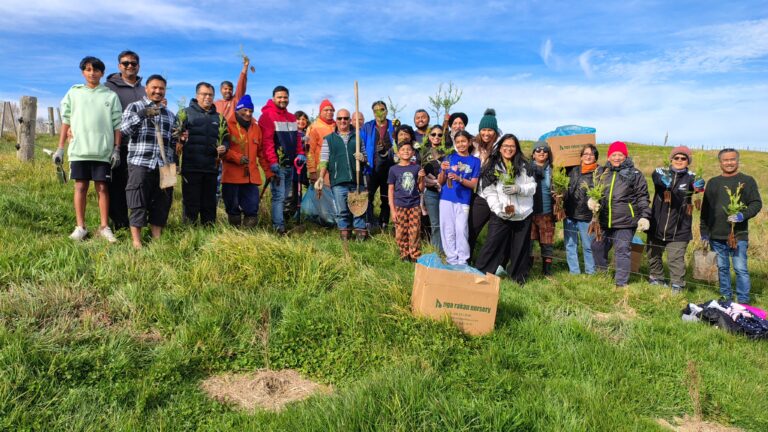
On the ground, community-led restoration is gaining momentum. In Taranaki, the Pātea River Catchment Group has mobilised farmers, schools, and local councils to plant over 500,000 native trees along riverbanks since 2018. Riparian planting reduces erosion, filters pollutants, and provides shade to lower water temperatures—critical for trout and native fish survival. Monitoring shows measurable improvements in water clarity and invertebrate populations.
In Auckland, urban streams like Waiōtara Creek and Oratia Stream are being revitalised through citizen science projects. Volunteers conduct regular water testing, remove invasive weeds, and install eel ladders to help native longfin eels migrate past culverts and dams. The Auckland Council’s “Streams of Care” programme supports over 70 such groups, recognising that local knowledge and sustained stewardship are essential for long-term success.
Technology is also playing a role. Drones are used to map erosion hotspots, while real-time sensors monitor pH, temperature, and turbidity in remote catchments. In Southland, a new AI-powered system developed by a local startup analyses satellite imagery to detect sudden changes in water colour—often early signs of algal blooms or effluent leaks.
However, challenges remain. Intensive dairying continues to be a major source of nitrogen and phosphorus pollution, particularly in the Canterbury Plains and Waikato region. While the government’s “Essential Freshwater” reforms introduced stricter limits on nitrogen leaching and required winter grazing plans, compliance and enforcement vary widely. Some farmers have embraced sustainable practices such as precision fertiliser use and riparian fencing, but others resist what they see as regulatory overreach.
Urban areas face different pressures. Stormwater runoff carrying oil, heavy metals, and microplastics flows directly into waterways, especially during heavy rain. Combined sewer overflows in older cities like Wellington and Dunedin still release untreated wastewater into rivers and coastal waters during extreme weather—a problem exacerbated by climate change.
Despite these hurdles, the momentum for change is growing. In 2024, the Ministry for the Environment launched the Freshwater Restoration Fund, allocating $120 million over five years to support community and iwi-led projects. Priority is given to initiatives that integrate mātauranga Māori (Māori knowledge) with scientific research, recognising that indigenous practices—such as rāhui (temporary bans on harvesting) and traditional monitoring techniques—offer valuable insights into ecosystem resilience.
Education is another key pillar. Schools across the country are incorporating freshwater studies into their curricula, with students conducting fieldwork, building native nurseries, and presenting findings to local councils. Programmes like “Kids Restore the Kepler” in Fiordland have inspired a new generation of environmental stewards.
Internationally, New Zealand’s freshwater challenges mirror those in other developed nations, from the Netherlands to Canada. Yet its unique blend of Māori worldview, community action, and policy innovation offers a distinctive model. Countries such as Australia and Colombia are studying New Zealand’s river personhood laws and co-governance approaches for their own restoration efforts.
The road to healthy waterways is long and requires sustained commitment. But across Aotearoa, from mountain headwaters to coastal estuaries, people are reconnecting with rivers not just as resources, but as living entities deserving of care and respect.
Excerpt: A nationwide movement is reimagining freshwater restoration in New Zealand, blending science, mātauranga Māori, and community action to heal degraded rivers. While systemic challenges persist, the growing success of local initiatives offers a hopeful blueprint for ecological and cultural renewal.