




 Chintapally Suresh
 By Chintapally Suresh, Engineering, Automobile, Science and Mathematics Specialist
As global climate pressures intensify and energy security concerns grow, New Zealand is accelerating its transition to a low-carbon future—placing green hydrogen, offshore wind, and next-generation battery storage at the heart of its energy strategy. In early 2025, a series of landmark announcements from government, industry, and research institutions signal that Aotearoa is no longer just exploring renewable energy but actively building the infrastructure to lead the Southern Hemisphere’s clean energy transformation.
At the core of this shift is the National Energy Transition Action Plan (NETAP), launched in February 2025 by the Ministry of Business, Innovation and Employment (MBIE). The plan sets a bold target: by 2035, 50% of New Zealand’s total energy consumption—including transport, industry, and heating—must come from renewable sources beyond electricity. Currently, while 85% of the country’s electricity is generated from hydro, geothermal, and wind, only 12% of total final energy use (including petrol, diesel, and industrial heat) is renewable.
To close this gap, green hydrogen—produced by splitting water using renewable electricity—is emerging as a game-changer. Unlike fossil fuels, green hydrogen emits only water vapour when used, making it ideal for decarbonising sectors that are hard to electrify, such as heavy freight, shipping, and high-temperature industrial processes.
In a major development, the Taranaki Hydrogen Hub officially commenced pilot operations in January 2025. Backed by NZ$180 million in public and private investment, the facility uses surplus geothermal and wind power to run electrolysis units that produce hydrogen for local use in buses, trucks, and dairy processing plants. Taranaki, once the heart of New Zealand’s oil and gas industry, is now positioning itself as the nation’s clean energy capital.
“Taranaki has the skills, infrastructure, and energy expertise,” says Dr. Anjali Sharma, lead engineer at the hub. “We’re not replacing one energy system with another—we’re repurposing what we have for a sustainable future.”
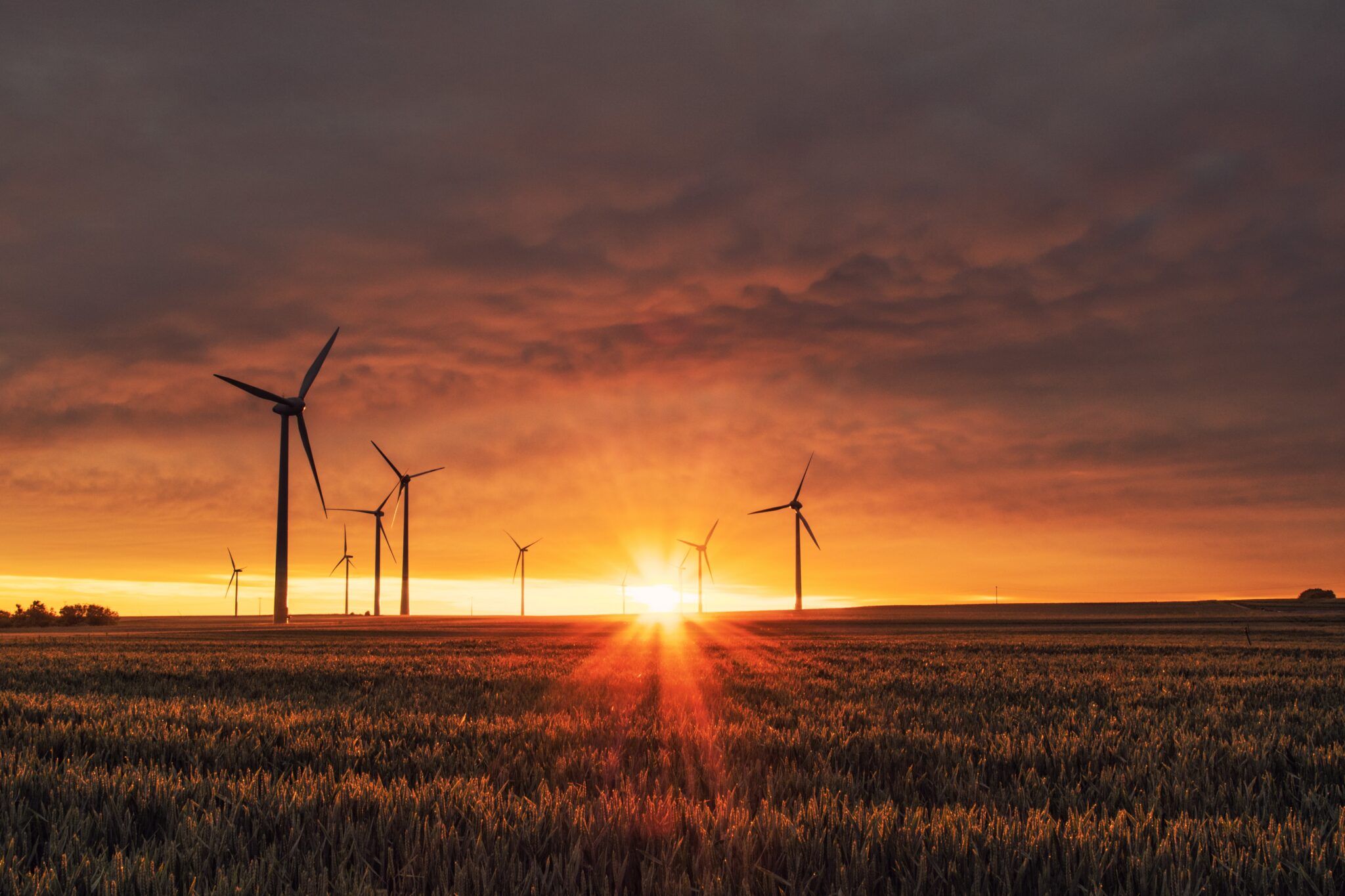
The government has also fast-tracked consenting for three large-scale offshore wind projects in the Cook Strait and off the Taranaki coast. These sites benefit from some of the strongest and most consistent winds in the world. Preliminary studies by Callaghan Innovation suggest offshore wind could add up to 5 gigawatts (GW) of capacity by 2040—enough to power over 2.5 million homes.
One of the most promising projects is the West Coast Wind Array, a proposed 1.2 GW floating wind farm 30 kilometres off the South Island’s rugged coastline. Unlike fixed-bottom turbines, floating platforms can be deployed in deeper waters, unlocking vast new areas for development. The project, led by a consortium including Meridian Energy, Hau Hau Rau (a Māori energy collective), and Norwegian firm Equinor, is expected to begin construction by 2027.
On land, battery storage is advancing rapidly. The new 150 MW Te Whāiti Battery Project near Napier, now operational, is the largest grid-scale battery in the Southern Hemisphere. It stores excess solar and wind energy during the day and releases it during evening peak demand, reducing reliance on gas-fired peaking plants. Advanced lithium-iron-phosphate (LFP) chemistry ensures longer lifespan and improved safety over traditional lithium-ion batteries.
But the most transformative innovation may be in hydrogen-powered transport. In early 2025, Auckland Transport unveiled its first fleet of hydrogen fuel-cell buses, manufactured in collaboration with Hyundai and assembled at the Wiri depot using locally sourced components. These buses can travel up to 500 kilometres on a single fill and refuel in under 15 minutes—advantages over electric buses for long routes and tight turnaround schedules.
Similarly, KiwiRail is trialling a hydrogen locomotive at the Hillside Workshops in Dunedin, aiming to decarbonise freight lines that are not yet electrified. Meanwhile, Ports of Auckland and Lyttelton Port have begun retrofitting cargo handling equipment to run on green hydrogen, with plans to power tugboats and terminal vehicles within five years.
The science behind these advances is being driven by New Zealand’s research ecosystem. The University of Canterbury’s Hydrogen Energy Research Group has developed a new catalyst that reduces the cost of electrolysis by 30%, while NIWA is mapping offshore wind potential using high-resolution atmospheric models. At the same time, Māori-led initiatives like Ngāti Kahungunu’s Iwi Energy Collective are ensuring that iwi have equity stakes in renewable projects, aligning economic development with environmental stewardship.
Yet challenges remain. Green hydrogen is still more expensive than diesel or natural gas, though global prices are falling. Infrastructure for hydrogen refuelling and distribution is limited, and public awareness is low. There are also ecological concerns—offshore wind farms must be carefully sited to avoid disrupting marine mammals, seabirds, and traditional fishing grounds.
Regulatory reform is underway. The Electricity Authority is revising market rules to better integrate storage and distributed generation, while the Resource Management Act is being updated to streamline consenting for renewable projects without compromising environmental protections.
Internationally, New Zealand is positioning itself as a potential green exporter. Studies suggest that with sufficient scale, the country could produce green hydrogen for export to Japan, South Korea, and Germany—nations committed to carbon neutrality but lacking the land or renewable capacity to produce enough domestically. Liquid organic hydrogen carriers (LOHCs) and ammonia conversion technologies could allow safe, long-distance transport.
For everyday New Zealanders, the benefits are tangible: cleaner air, lower energy bills, and greater resilience against global oil price shocks. Households in regions like Southland and Northland are already installing solar-hydrogen hybrid systems, storing excess energy in home fuel cells for use during outages.
The energy transition is not just technological—it is cultural. It reflects a growing national consensus that Aotearoa’s identity as a clean, green nation must be backed by action. From marae-led solar installations to university spin-offs commercialising new materials, the shift is inclusive, innovative, and irreversible.
Excerpt: New Zealand is entering a new era of energy independence and sustainability, driven by green hydrogen, offshore wind, and community-powered innovation. As infrastructure takes shape and policy frameworks evolve, the path to a zero-carbon future is becoming not just possible—but profitable and proud.