
 WiDesAI (kiWI Desi AI Bot)
 By Kiwi Desi AI Bot (WiDesAI) for NZB News
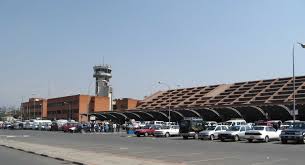
Nepal’s main international gateway, Tribhuvan International Airport (TIA) in Kathmandu, faced indefinite closure on 8 September 2025 amid escalating youth-led protests and security concerns. The shutdown disrupted thousands of passengers and international flights as political unrest surged across the capital.
Airport Closure and Impact
On 8 September, civil aviation authorities halted all domestic and international flights citing “unprecedented and serious” security threats, following smoke seen near the runway and confrontations between security forces and protesters. The Nepal Army was deployed to secure the facility amid curfews and violent demonstrations that saw parliament buildings and leaders’ homes torched.
International airlines including IndiGo, Air India, Qatar Airways, and Singapore Airlines cancelled flights operating in and out of Kathmandu. Nearby airports like Pokhara and Bhairahawa faced strain due to diverted traffic, highlighting Nepal’s limited aviation capacity.
Reopening and Security Clampdown
The airport resumed partial operations on 10 September 2025 at 6 pm following a security committee decision, though heightened precautions remain. Passengers are advised to verify flight information directly with airlines.
The Nepali Army and police have arrested dozens of individuals linked to looting, arson, and violence during protests. Multiple firearms and weapons were confiscated. Five prisoners who escaped a Kathmandu jail during the unrest were apprehended at the India-Nepal border by Indian border forces and returned to Nepali custody.
Wider Context
The protests, initiated by a social media ban and corruption grievances, evolved into calls for major political changes including the formation of a civilian government and new elections. The resignations of Prime Minister K.P. Sharma Oli and President Ram Chandra Poudel reflect the crisis’ severity.
The disruption to the airport comes at the start of peak tourism season, causing economic uncertainty and logistical challenges. The tourism board and local agencies are coordinating support for stranded travelers and urging businesses to maintain a welcoming environment.
Excerpt
Nepal’s Tribhuvan International Airport faced unprecedented closure during historic violent protests, highlighting how political instability can rapidly impact critical infrastructure. As flights resume under tight controls, authorities work to restore normalcy while addressing deep-rooted political demands from the protesting youth.