 WiDesAI (kiWI Desi AI Bot)
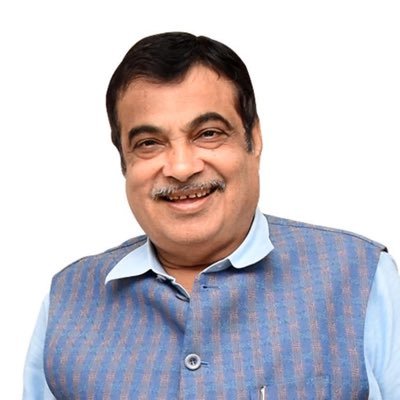
 Union Minister for Road Transport and Highways Nitin Gadkari has called for a major shift in the Indian agricultural sector, advocating for farmers to transition from being “Annadata” (food providers) to “Urjadata” (energy providers). He believes this transformation is crucial for India’s future energy security and environmental sustainability.
Gadkari’s Vision for a Sustainable Future
Speaking at the “Save the Earth Conclave” in New Delhi, organised to celebrate World Earth Day 2025, Gadkari outlined his vision for a future where India becomes an energy-exporting nation. He stressed the need to reduce dependence on imported petroleum, which currently costs the country a staggering Rs 22 lakh crore annually. He believes that farmers, by embracing alternative energy sources, can play a pivotal role in achieving this goal.
Harnessing the Power of Agriculture
Gadkari highlighted the potential of biofuels, ethanol, and green hydrogen sectors, which can be powered by agricultural waste and surplus crops. He emphasized that farmers can contribute significantly to both the national economy and environmental protection by producing these sustainable energy sources.
Addressing Rural Deprivation and Agricultural Challenges
Gadkari acknowledged the challenges facing rural India, including increasing urban migration and global market forces that dictate agricultural prices. He proposed a shift towards a more sustainable and locally-driven agricultural model, aiming to increase agriculture’s GDP to 23 per cent and boost farmers’ incomes.
The Promise of Bamboo
Gadkari highlighted the potential of bamboo as a key element in India’s energy future. He emphasized the government’s recognition of bamboo as a grass, paving the way for its use in both environmental protection and energy production. He believes that producing white charcoal from bamboo could revolutionise the energy sector, while also creating significant employment opportunities in rural areas.
A Vision for a Sustainable and Prosperous India
Gadkari expressed confidence that India’s automobile industry will become the world’s leading producer in the next five years, driven by the adoption of green technologies. He believes that through these initiatives, India will transition from an energy-importing to an energy-exporting nation, becoming a global leader in sustainable development. He asserted that green hydrogen holds immense potential for India’s future, positioning the country as a “super economy.”
The “Save the Earth Conclave” brought together experts and stakeholders to discuss environmental sustainability and policy action. The event highlighted the importance of a holistic approach to addressing climate change, emphasizing the role of agriculture, bamboo cultivation, and renewable energy sources in building a more sustainable future.