



 Swamy Gitananda
 A Daily Exploration of Dharma, Jnana, and Relevance to Modernity
By Swami Gitananda
Published on New Zealand Bharat (NZB) News, May 6, 2025
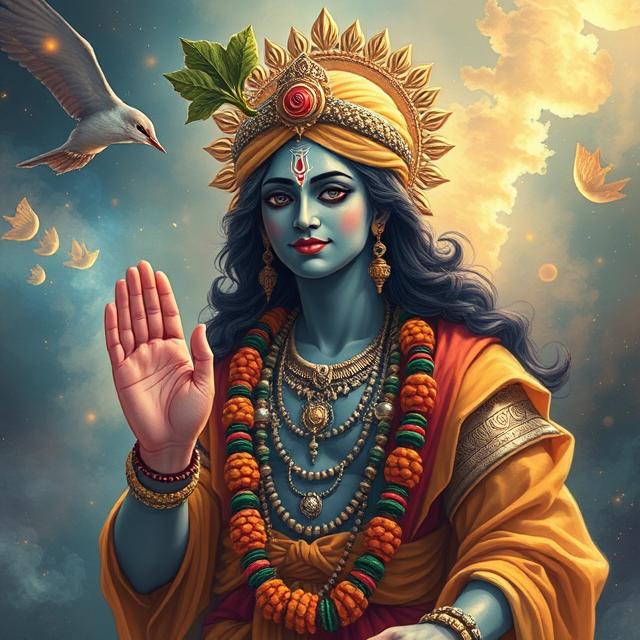
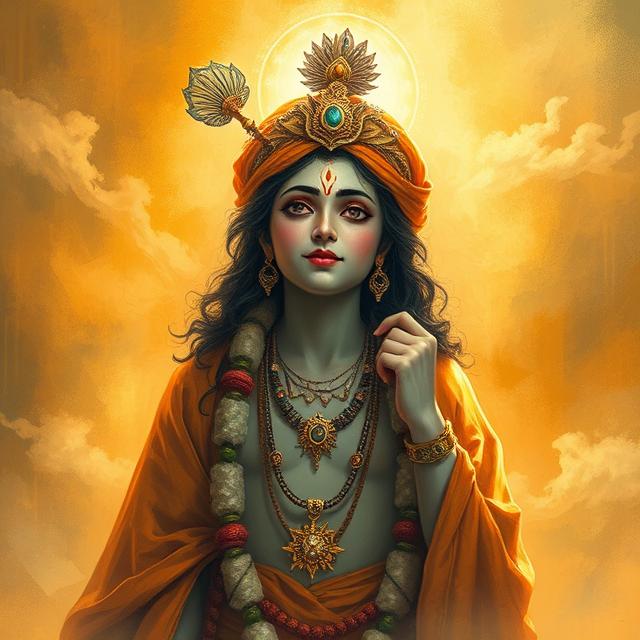
Om Shri Ganeshaaya Namaha. Salutations to Ganesha, the remover of obstacles and bestower of buddhi (intellect), as we progress through Adhyaya 2 of the Bhagavad Gita, the Yoga-Vidya (science of yoga) that transforms Kurukshetra into a dharmakshetra of eternal truth. Yesterday, in Adhyaya 2, Shloka 5, Arjuna deepened his vishada, preferring bhiksham (begging) over slaying gurun (teachers) like Bhishma and Drona, dreading rudhirapradigdhan (blood-stained) pleasures and papa (sin), his manas (mind) torn by krup and moha. Today, in Shloka 6, Arjuna confesses his samsaya (doubt), unsure whether victory (jaya) or defeat (parajaya) is better, his buddhi clouded by vishada, seeking Krishna’s jnana as a shishya. This shloka amplifies sankhya-yoga’s dialogue, Arjuna’s karpanya (weakness) priming Krishna’s kripa (grace) as Jagadguru.
This series is a daily sadhana (spiritual practice), offering one shloka at a time—its direct meaning, a profound exploration of its tattva (essence), insights from sampradayas (spiritual traditions), a yogic and philosophical analysis, and its resonance with modern fields like quantum science, leadership, psychology, and svasthya (wellbeing). As the sixth shloka of Adhyaya 2—titled Sankhya-Yoga—it underscores Arjuna’s dharmic paralysis and Krishna’s kripa, guiding Partha from tamas to sattva. Let us immerse ourselves in Adhyaya 2, Shloka 6, where Arjuna’s samsaya seeks jnana’s clarity.
The Shloka
न चैतद्विद्मः कतरन्नो गरीयो
यद्वा जयेम यदि वा नो जयेयुः।
यानेव हत्वा न जिजीविषामस्
तेऽवस्थिताः प्रमुखे धार्तराष्ट्राः॥
Na cha etad vidmah kataran no gariyah
Yad va jayema yadi va no jayeyuh,
Yan eva hatva na jijivishamas
Te avasthitah pramukhe dhartarashtrah.
Direct Meaning
“[Arjuna said:] Nor do we know (na cha etad vidmah) which is better for us (kataran no gariyah)—whether we conquer (yad va jayema) or they conquer us (yadi va no jayeyuh). Those whom, having slain (yan eva hatva), we would not wish to live (na jijivishamas), the sons of Dhritarashtra (dhartarashtrah), stand before us (te avasthitah pramukhe).”
In this verse, Arjuna confesses his samsaya (doubt), uncertain whether victory (jaya) or defeat (parajaya) is preferable, dreading the slaying of dhartarashtrah (sons of Dhritarashtra) and gurun, whose death would render life meaningless (na jijivishamas), his shishya-bhava seeking Krishna’s jnana to resolve vishada.
Detailed Explanation of the Shloka
This shloka marks the peak of Arjuna’s vishada in Adhyaya 2, his buddhi paralyzed by samsaya (doubt) after Krishna’s rebukes (Shlokas 2-3) and his own karpanya (Shlokas 4-5). He questions the value of jaya (victory) versus parajaya (defeat), unable to discern dharma amidst krup for svajanam (kin) and gurun. The dhartarashtrah—Kauravas and their allies, including Bhishma and Drona—embody samsara’s bonds, their death unthinkable (na jijivishamas). Kurukshetra remains a manas-kshetra (field of mind), where svadharma battles moha and kleshas (raga, dvesha, abhinivesha). Krishna, the silent Madhusudana, listens to Partha’s shishya plea, poised to deliver sankhya-yoga’s jnana. Let us explore its layers with viveka (discernment), bhakti (devotion), and vichara (inquiry).
- Na Cha Etad Vidmah: Nor Do We Know
- Na Cha: “Nor,” connects to Shloka 5’s karpanya, deepening vishada’s uncertainty.
- Etad: “This,” refers to the dharmic dilemma—jaya or parajaya.
- Vidmah: “We know,” plural, may reflect Arjuna’s collective concern (Pandavas) or rhetorical humility, buddhi’s paralysis.
This phrase reveals samsaya’s grip—viveka clouded, manas unable to weigh dharma, a tamasic state Krishna will address.
- Kataran No Gariyah: Which Is Better for Us
- Kataran: “Which,” poses the binary—jaya or parajaya.
- No: “For us,” nah (us), implies Arjuna’s concern for the Pandavas’ dharma and karmic fate.
- Gariyah: “Better,” guru (heavy, superior), seeks shreyas (spiritual good) over preyas (worldly gain).
This clause underscores vishada’s ethical depth—kataran reflects buddhi’s indecision, krup veiling svadharma.
- Yad Va Jayema Yadi Va No Jayeyuh: Whether We Conquer or They Conquer Us
- Yad Va Jayema: “Whether we conquer,” jayema (we may conquer), envisions victory over dhartarashtrah.
- Yadi Va No Jayeyuh: “Or they conquer us,” jayeyuh (they may conquer), considers defeat by dhartarashtrah.
This phrase frames samsaya’s balance—jaya brings papa (sin) via gurun’s death, parajaya loss of rajya (kingdom), both unbearable to Partha.
- Yan Eva Hatva Na Jijivishamas: Whom, Having Slain, We Would Not Wish to Live
- Yan Eva: “Those whom,” refers to dhartarashtrah, including gurun (Bhishma, Drona).
- Hatva: “Having slain,” han (to kill), echoes Adhyaya 1’s hantum and Shloka 5’s hatva, vishada’s dread of violence.
- Na Jijivishamas: “We would not wish to live,” na (not) + jijivishamas (we desire to live), a poignant expression of shoka (grief), life without svajanam meaningless.
This clause is vishada’s emotional core—na jijivishamas reflects krup’s intensity, moha binding jiva to samsaric loss.
- Te Avasthitah Pramukhe Dhartarashtrah: The Sons of Dhritarashtra Stand Before Us
- Te: “Those,” the dhartarashtrah (sons of Dhritarashtra), Kauravas and allies, including gurun.
- Avasthitah: “Stand,” ava-sthita (positioned), echoes Adhyaya 1’s battle array (vyudha, Shloka 2).
- Pramukhe: “Before us,” pra-mukhe (in front), situates Kurukshetra’s immediacy, karmakshetra’s challenge.
- Dhartarashtrah: “Sons of Dhritarashtra,” the Kauravas, led by Duryodhana, with Bhishma and Drona, adharmic foes yet svajanam.
This phrase grounds vishada in Kurukshetra—dhartarashtrah as samsara’s bonds, pramukhe intensifying karpanya.
- The Shishya’s Samsaya
Arjuna’s na cha etad vidmah and na jijivishamas mark vishada’s nadir—samsaya paralyzing buddhi, krup for dhartarashtrah outweighing svadharma. Kurukshetra mirrors samsara’s dharmic labyrinth, moha binding jiva to kleshas (raga for svajanam, dvesha for papa, abhinivesha for loss). The Gita’s question persists: Can jnana resolve samsaya’s tamasic fog? Krishna, as Jagadguru, listens, his kripa poised to deliver sankhya-yoga’s truth. - Sankhya-Yoga’s Evolving Dialogue
This shloka advances Adhyaya 2’s dialogue—Arjuna’s shishya-bhava peaks, samsaya confessing buddhi’s collapse. Adhyaya 1’s vishada feared kula-kshetra’s ruin; Shlokas 4-5 named gurun; here, dhartarashtrah broadens krup to the enemy host. Krishna’s upadesha will shift Partha’s drishti (vision) from deha (body) to atman (self), transcending jaya and parajaya.
This shloka, then, is Arjuna’s samsaya cry—kataran’s doubt, na jijivishamas’s despair, shishya-bhava seeking jnana. It invites us to ponder: Do we, like Arjuna, falter in doubt’s grip, and can we seek Shri Bhagavan to guide our drishti?
Spiritual Wisdom from Authoritative Voices
The Bhagavad Gita’s divya-artha (divine meaning) shines through the bhashyas of acharyas, each illuminating its eternal truth. Let us draw from their insights, weaving a jnana-mala (garland of wisdom).
- Adi Shankaracharya (Advaita Vedanta)
Shankaracharya sees na cha etad vidmah as maya’s veil—dhartarashtrah binding atman to samsara’s forms. Na jijivishamas reflects avidya’s shoka, vishada mistaking deha for atman. He writes, “Arjuna’s samsaya is moha, not viveka,” urging discernment of Brahman beyond jaya. This shloka foreshadows Adhyaya 2: “Na tvam shochitum arhasi”—“You should not grieve” (Shloka 2.11), freeing jiva from samsaya. - Ramanujacharya (Vishishtadvaita)
Ramanuja interprets kataran no gariyah as prapatti’s cry, na jijivishamas a bhakta’s krup. Krishna’s silence sparks bhakti, guiding vishada to dharma. He notes, “Arjuna’s samsaya invites kripa,” aligning with Adhyaya 12: “Bhaktya mam abhijanati”—“Through devotion, one knows me.” Samsaya is a test, resolved by Narayana’s grace. - Madhvacharya (Dvaita)
Madhvacharya views yan eva hatva as tamasic delusion, dhartarashtrah prioritizing sneha over Vishnu’s sankalpa. He emphasizes daiva-shakti, Krishna awakening svadharma, echoing Adhyaya 18: “Mam ekam sharanam vraja”—“Take refuge in me,” transcending na jijivishamas’s despair. - Swami Vivekananda (Neo-Vedanta)
Vivekananda reads Shloka 6 as humanity’s indecision. “Arjuna’s kataran is the jiva’s doubt,” he writes. Dhartarashtrah reveals karuna, but moha blinds dharma. He urges awakening atma-shakti in the karmakshetra, aligned with Adhyaya 2: “Yoga-sthah kuru karmani”—“Established in yoga, perform actions” (Shloka 2.48).
Yogic and Philosophical Analysis
Shloka 6 is a yogic and philosophical nadir, Arjuna’s samsaya engaging Vedanta’s inquiry: Can jnana dispel kataran’s tamasic doubt? Let us explore this through yogic, Vedantic, and Ayurvedic lenses.
- Yogic Perspective: Samsaya as Klesha
In Patanjali’s Yoga Sutras (2.3), kleshas—raga (attachment), dvesha (aversion), abhinivesha (fear)—drive samsara. Arjuna’s kataran reflects raga for dhartarashtrah, dvesha for papa, and abhinivesha for na jijivishamas. Na cha etad vidmah shows chitta-vikshepa (mental agitation), tamasic inaction hindering chitta-shuddhi (mental purification). Krishna’s upadesha will guide manas to sattva via dhyana-yoga (Adhyaya 6). - Vedantic Inquiry: Moha vs. Atman
The Katha Upanishad (1.2.23) states, “Atmanam atmana pashyati”—“The self is seen by the self,” suggesting samsaya’s root is avidya. Arjuna’s na jijivishamas clings to preyas (worldly bonds), missing shreyas (spiritual good). Krishna’s sankhya will affirm: “Na jayate mriyate va”—“The soul is neither born nor dies” (Shloka 2.20), freeing jiva from moha’s chains. - Ayurvedic Insight: Samsaya as Tamas
Ayurveda sees samsaya as vata-pitta imbalance, with tamas dulling ojas (vitality). Na jijivishamas evokes tamas’ grip, kataran disrupting kapha’s stability. Practices like pranayama (nadi shodhana), asana (shavasana), and sattvic ahara (pure diet) restore chitta’s balance, aligning with Krishna’s kripa.
Relevance to Today’s Context
The Bhagavad Gita is a jivan-shastra (manual for life), vibrant in 2025. Let us explore how Shloka 6 resonates with quantum science, leadership, and svasthya.
- Quantum Science and Cosmology
Arjuna’s kataran mirrors quantum uncertainty—dhartarashtrah as entangled systems, na jijivishamas as karmic entropy. Krishna’s kripa evokes ekatva (oneness), harmonizing doubt. This shloka suggests a dharmakshetra cosmos, where buddhi shapes karma, resonant with quantum decision theories. - Leadership and Business
In the corporate Kurukshetra, Arjuna’s na cha etad vidmah reflects strategic indecision—jaya or parajaya as success or failure, dhartarashtrah as stakeholders. Krishna’s upadesha inspires dharma-driven leadership, fostering drishti to resolve doubt, aligned with 2025’s adaptive frameworks. - Svasthya (Wellbeing)
Arjuna’s samsaya mirrors modern anxiety—chitta-vikshepa from uncertain outcomes—while na jijivishamas evokes existential despair. Practices like pranayama and dhyana nurture shanti, freeing manas from moha’s grip, guided by Krishna’s call.
Conclusion: The Cry of Samsaya
This sixth shloka of Adhyaya 2 deepens sankhya-yoga—Arjuna’s kataran confessing samsaya, na jijivishamas halting svadharma, shishya-bhava seeking jnana. It mirrors samsara’s kleshas, dharma veiled by moha, yet samsaya’s cry is sadhana’s plea. Each day, we unveil another shloka of this divya-gita, seeking satyam (truth) and sundaram (beauty).
Tomorrow, Arjuna surrenders as a shishya, seeking Krishna’s upadesha to resolve his karpanya. Let us approach with bhakti and vichar, chanting: “Krishnam vande jagadgurum”—to Krishna, the world’s Guru. May His kripa guide us onward.
Hari Om Tat Sat.