



 Eleanor Thompson
 Introduction
In the annals of modern South Asian history, few events have resonated as powerfully as Bharat’s (India’s) surgical strikes in Pakistan Occupied Kashmir (PoK). These operations, executed with precision and strategic clarity, marked a watershed in the ongoing struggle against cross-border terrorism and redefined the contours of regional security. The strikes were not merely a military manoeuvre; they were a statement of intent, a demonstration of resolve, and a message to both domestic and international audiences that Bharat would no longer remain a passive victim of aggression.
This article delves deeply into the context, execution, aftermath, and implications of these surgical strikes, exploring their significance for Bharat, Pakistan, and the broader geopolitical landscape. It examines the motivations behind the operation, the meticulous planning involved, the reactions from various stakeholders, and the enduring legacy of this bold response.
The Road to Retaliation: Context and Catalysts
The Shadow of Terrorism
For decades, Bharat has grappled with the spectre of terrorism emanating from across its western border. The region of Jammu and Kashmir, in particular, has been a flashpoint, with numerous attacks targeting civilians, security forces, and infrastructure. These attacks have often been traced back to terror groups operating with impunity in Pakistan and PoK, enjoying support, shelter, and resources.
The persistent threat posed by these groups has tested the patience of successive Indian governments. Diplomatic overtures, international pressure, and bilateral dialogues have yielded limited results. The pattern of provocation, condemnation, and inaction had become all too familiar, breeding frustration and a growing clamour for a more robust response.
The Pahalgam Attack: The Final Straw
The immediate trigger for the surgical strikes was a particularly heinous attack in Pahalgam, where terrorists targeted a bus carrying pilgrims, resulting in the loss of innocent lives. This act of violence, widely condemned across the political spectrum and by the public, crystallised the demand for decisive action. Intelligence agencies provided compelling evidence linking the attack to terror infrastructure in PoK, leaving little doubt about the source of the threat.
The government faced a stark choice: continue with the status quo or chart a new course. The decision to launch surgical strikes was born out of a recognition that deterrence required action, not just words.
Planning the Operation: Precision and Restraint
Strategic Objectives
The primary objective of the surgical strikes was to dismantle terror launch pads and infrastructure in PoK, thereby disrupting the ability of groups to plan and execute attacks on Indian soil. The operation was designed to be precise, limited in scope, and carefully calibrated to avoid escalation into a wider conflict.
Crucially, the strikes were not aimed at Pakistani military installations or civilian targets. The focus was squarely on terrorist assets, reflecting a commitment to proportionality and adherence to international norms.
Intelligence and Coordination
The success of the operation hinged on the quality of intelligence and the seamless coordination between various arms of the Indian security apparatus. Surveillance drones, satellite imagery, and human intelligence were leveraged to identify targets with pinpoint accuracy. The planning phase involved rigorous rehearsals, risk assessments, and contingency planning.
Special Forces units, known for their expertise in covert operations, were selected for the mission. Their training, discipline, and professionalism were instrumental in ensuring the operation’s success and the safe return of all personnel.
The Execution
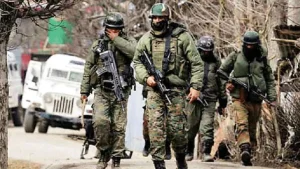
In the early hours of the designated day, Indian Special Forces crossed the Line of Control under the cover of darkness. Moving swiftly and silently, they struck multiple terror launch pads, neutralising militants and destroying infrastructure. The operation lasted several hours, with teams exfiltrating before dawn.
The element of surprise, combined with meticulous planning, ensured minimal casualties on the Indian side and maximum impact on the intended targets. The operation was subsequently announced to the public, with the government emphasising its limited and targeted nature.
Domestic Response: Unity and Resolve
Political Consensus
The surgical strikes were met with widespread approval across the Indian political spectrum. Leaders from various parties set aside their differences to express solidarity with the armed forces and the government. The strikes were hailed as a necessary and justified response to unprovoked aggression, reflecting the will of the nation.
This rare display of political unity sent a powerful message, both to adversaries and to the Indian public, that the country stood together in the face of external threats. The government’s transparent communication and measured tone further bolstered public confidence.
Public Sentiment
The strikes resonated deeply with the Indian public, who had long demanded a firmer response to terrorism. Families of victims and security personnel expressed relief and gratitude, viewing the operation as an act of justice and honour.
In border regions, authorities took precautionary measures, including evacuations and heightened security, to protect civilians from potential retaliation. The sense of collective resolve was palpable, with communities rallying behind the armed forces and the government.
Economic and Social Impact
The immediate aftermath of the strikes saw volatility in financial markets, with stock indices dipping and the currency experiencing pressure. These fluctuations reflected the uncertainty and heightened risk perceptions associated with military action.
Beyond the markets, the strikes had a broader social impact. Cultural exchanges and sporting ties with Pakistan were suspended, and there was a surge in patriotic sentiment. The strikes became a focal point for national discourse, shaping public opinion and influencing policy debates.
International Reactions: Support, Caution, and Diplomacy
Global Responses
The surgical strikes drew varied reactions from the international community. Several countries expressed support for Bharat’s right to self-defence and condemned terrorism in all its forms. Others urged restraint and called for dialogue to prevent escalation.
Major powers, while recognising Bharat’s security concerns, emphasised the need for stability in the region. The strikes placed the spotlight on Pakistan’s role in harbouring terror groups, increasing diplomatic pressure on Islamabad to take credible action.
Diplomatic Engagement
In the days following the operation, Bharat engaged in intensive diplomatic outreach to brief key allies and partners. The government articulated its position clearly, stressing the limited and targeted nature of the strikes and reiterating its commitment to peace.
This proactive diplomacy helped shape international perceptions and ensured that Bharat’s narrative gained traction. The strikes were framed not as an act of aggression, but as a legitimate response to persistent and grave provocations.
Pakistan’s Response: Denial and Defiance
Official Denials
Pakistan’s initial response was to deny that any surgical strikes had taken place, characterising the incident as routine cross-border firing. This stance was aimed at minimising domestic embarrassment and maintaining the facade of control.
At the same time, Pakistani leaders condemned what they described as unprovoked aggression and vowed to defend their sovereignty. Emergency meetings were convened, and the military was placed on high alert.
Domestic Fallout
The strikes exposed vulnerabilities in Pakistan’s security apparatus and challenged its narrative on cross-border terrorism. The government faced criticism from opposition parties and sections of the media, who questioned the official version of events.
There was also concern about the potential for escalation and the impact on civilian populations in border areas. The government’s efforts to rally public support were complicated by the lack of clarity and conflicting reports.
Strategic and Military Significance
Shifting the Paradigm
The surgical strikes marked a fundamental shift in Bharat’s approach to cross-border terrorism. For years, the country had exercised restraint, even in the face of grave provocations. The decision to cross the Line of Control and target terror infrastructure signalled a new willingness to challenge the status quo.
This shift was not merely tactical; it was strategic. By demonstrating the capability and resolve to undertake such operations, Bharat redefined the rules of engagement and established a new deterrent against future attacks.
Military Professionalism
The operation showcased the professionalism, discipline, and effectiveness of the Indian Armed Forces. The ability to plan and execute a complex mission with precision and minimal casualties was a testament to the training and ethos of the Special Forces.
The strikes also highlighted the importance of intelligence, coordination, and technology in modern warfare. The lessons learned from the operation have informed subsequent military planning and preparedness.
Impact on Terrorist Operations
In the months following the strikes, there was a noticeable disruption in the activities of terror groups operating in PoK. Several launch pads were dismantled, and the morale of militants and their handlers was dented.
While the threat of terrorism did not disappear, the strikes forced a recalibration of tactics and exposed the risks associated with using PoK as a safe haven. The message was clear: Bharat would not hesitate to act if its security was threatened.
Broader Geopolitical Implications
Regional Dynamics
The surgical strikes had profound implications for the security architecture of South Asia. By breaking the self-imposed restraint on cross-LoC operations, Bharat altered the strategic calculus of both adversaries and allies.
Neighbouring countries watched closely, recognising the potential for escalation but also the need for credible deterrence. The strikes underscored the limitations of international mediation and the primacy of national security interests.
The Kashmir Question
The operation also had implications for the long-standing dispute over Jammu and Kashmir. By targeting terror infrastructure in PoK, Bharat reinforced its claim over the entire region and challenged Pakistan’s narrative.
The strikes became a reference point in subsequent diplomatic engagements and negotiations, shaping the discourse on sovereignty, self-defence, and the right to protect citizens.
International Law and Norms
The surgical strikes raised important questions about the application of international law in the context of cross-border terrorism. Bharat’s position was that the operation was a legitimate act of self-defence, conducted in response to ongoing and imminent threats.
This argument found resonance among several countries, particularly those grappling with similar challenges. The strikes contributed to the evolving debate on the rights and responsibilities of states in addressing non-state actors and asymmetric threats.
Socio-Political Aftermath
National Unity and Confidence
One of the most enduring legacies of the surgical strikes was the sense of national unity and confidence they engendered. The operation became a symbol of resolve and resilience, inspiring pride in the armed forces and faith in the country’s leadership.
Public discourse shifted from victimhood to agency, with a renewed emphasis on self-reliance and proactive security measures. The strikes became a touchstone for subsequent policy decisions and a benchmark for evaluating government performance.
Cultural and Economic Dimensions
The strikes had ripple effects across various sectors. Cultural ties with Pakistan were curtailed, with bans on artists and sporting events. Economic relations, already limited, were further strained.
At the same time, there was a surge in support for domestic industries and initiatives, reflecting a broader trend towards self-sufficiency and national pride. The strikes became a catalyst for debates on economic security, technological innovation, and strategic autonomy.
Challenges and Criticisms
While the strikes were widely supported, they were not without critics. Some questioned the long-term efficacy of such operations, arguing that they addressed symptoms rather than root causes. Others cautioned against the risks of escalation and the potential for unintended consequences.
The government faced the challenge of balancing security imperatives with diplomatic engagement, ensuring that military action did not foreclose the possibility of dialogue and reconciliation.
Lessons Learned and the Path Forward
The Importance of Preparedness
The surgical strikes underscored the importance of preparedness, both in terms of military capability and strategic planning. The operation was the culmination of years of investment in training, intelligence, and technology.
Future security challenges will require similar levels of readiness and adaptability. The lessons learned from the strikes have informed ongoing efforts to modernise the armed forces and enhance inter-agency coordination.
The Role of Diplomacy
While military action was necessary in the immediate context, the long-term resolution of the underlying issues will require sustained diplomatic engagement. The strikes demonstrated the limits of dialogue in the face of intransigence, but also the need for continued efforts to build trust and address grievances.
Bharat’s diplomatic outreach in the aftermath of the operation was critical in shaping international perceptions and mitigating the risk of escalation. The balance between deterrence and diplomacy remains a central challenge.
Addressing Root Causes
Ultimately, the fight against terrorism cannot be won by military means alone. The root causes of radicalisation, extremism, and violence must be addressed through a combination of development, governance, and community engagement.
Bharat’s experience underscores the need for a comprehensive approach, integrating security, economic, and social policies. The surgical strikes were a necessary response to an immediate threat, but the quest for lasting peace requires sustained and inclusive efforts.
Enduring Legacy
The surgical strikes in Pakistan Occupied Kashmir will be remembered as a defining moment in Bharat’s contemporary history. They represented a break from the past, a demonstration of resolve, and a reassertion of national sovereignty.
The operation has left an indelible mark on the country’s security doctrine, shaping the way future threats are assessed and addressed. It has also influenced the broader regional and international discourse on terrorism, self-defence, and state responsibility.
As Bharat continues to navigate the complex challenges of the 21st century, the lessons of the surgical strikes will remain relevant. They serve as a reminder of the importance of unity, preparedness, and principled action in the face of adversity.
Conclusion
Bharat’s surgical strikes in Pakistan Occupied Kashmir were more than a military operation; they were a statement of intent, a reaffirmation of sovereignty, and a turning point in the fight against cross-border terrorism. Executed with precision and restraint, the strikes demonstrated the country’s capability and resolve, while maintaining a commitment to international norms and proportionality.
The operation reshaped the security landscape of South Asia, challenged entrenched narratives, and inspired a sense of unity and confidence within Bharat. It also highlighted the enduring challenges of terrorism, the importance of preparedness, and the need for a comprehensive approach to security.
As the region continues to evolve, the legacy of the surgical strikes will endure, shaping the contours of policy, strategy, and national identity for years to come. Bharat’s response stands as a testament to the power of decisive action, the value of unity, and the enduring quest for peace and security in a complex and often turbulent world.
If you require further expansion on specific sections or additional topics to reach a precise word count, please provide guidance, and I will be happy to elaborate further.