 Sushma Prajwal
 Background
Fitness in New Zealand has long been defined by its outdoorsy spirit — trail running, kayaking, rugby, and surfing. But over the past decade, a new and vibrant movement has emerged, reshaping how multicultural communities, particularly those of South Asian origin, approach health and physical activity.
What began with modest temple yoga sessions and friendly community cricket games has evolved into a dynamic fitness culture that fuses heritage with modern health trends. This evolution reflects a broader narrative: the integration of identity, well-being, and belonging.
The Evolution of Community Movement
Yoga Finds New Expression
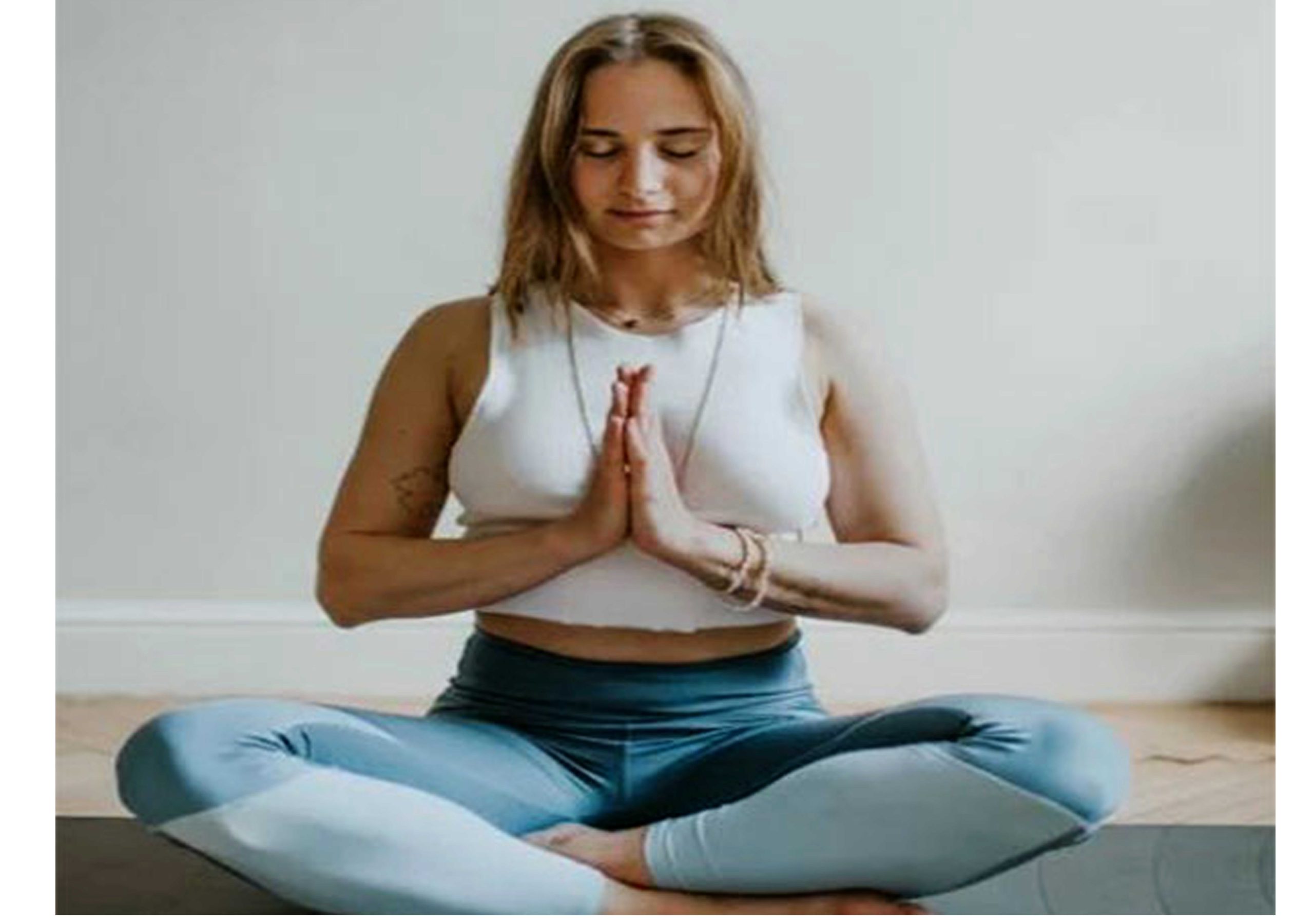
Yoga has moved beyond boutique studios into public parks, digital platforms, and community halls. It is no longer practised only for flexibility or back pain relief — it has become a source of mindfulness, inner balance, and cultural pride. Young professionals are using yoga for stress reduction and digital detox. Hybrid forms such as dynamic vinyasa combined with traditional chanting are drawing widespread interest across the country.
Cricket as a Cultural Anchor
Cricket continues to be a unifying sport among South Asian communities in New Zealand. Community leagues have surged, with grassroots clubs organising weekend matches in nearly every major city. Youth participation is rising, and more women are stepping onto the pitch. Inter-community tournaments are becoming significant events on local calendars, often doubling as cultural gatherings.
Dance Fitness as an Inclusive Trend
Bollywood and traditional Indian dance forms have been reinvented as accessible fitness routines. Group dance classes focused on cardio and rhythm are attracting a wide demographic, including non-Indian participants. These sessions serve not only as physical workouts but also as joyful expressions of cultural connection.
Wellness Through Cuisine
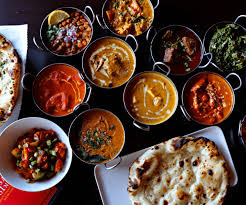
Food is playing a central role in health consciousness. The modern South Asian kitchen in New Zealand now features a thoughtful blend of tradition and nutrition. Interest in Ayurvedic principles is growing, with emphasis on seasonal ingredients, anti-inflammatory spices, and digestion-friendly meals. Fusion cafés and community cooking groups are promoting health without sacrificing cultural authenticity.
Discussion: Cultural Movement and Identity
This cultural wellness wave speaks to something deeper than physical health — it reflects a maturing diaspora that is actively shaping its own narrative in Aotearoa.
For first-generation migrants, these practices are ways to reconnect with their roots in meaningful and communal settings. For second-generation youth, they represent an avenue to express hybrid identities — blending the global with the ancestral.
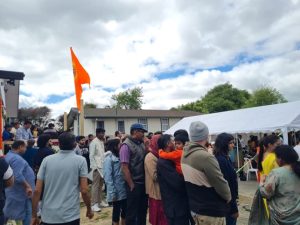
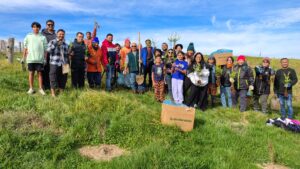
Importantly, these activities are no longer confined to private or ethnic spaces. They are moving into the mainstream — community events, school wellness programmes, and even council-backed fitness campaigns now feature South Asian movement forms prominently.
This shift also reflects a broader change in how health and fitness are defined — not merely in terms of calorie counts or competitive sport, but as holistic experiences that nurture body, mind, and spirit.
Summary: Movement as Cultural Affirmation
The South Asian fitness wave in New Zealand is not a trend — it’s a transformation.
It represents a bold redefinition of what it means to be fit, to belong, and to celebrate one’s culture through movement. It builds bridges between generations, connects newcomers to communities, and invites New Zealanders of all backgrounds to join in the rhythm.
Fitness, in this new paradigm, is no longer a solo journey.
It’s communal.
It’s celebratory.
It’s a living expression of identity.