



 Genevieve Montgomery
From the bustling ghats of Varanasi to the tranquil heights of the Himalayas, India’s Hindu temples are more than places of worship—they are living chronicles of faith, artistry, and community. Join us on a journey through ten of Bharat’s most iconic temples, each with a story that transcends time and geography.
The Journey Begins: Where Faith Meets Stone
It’s just before dawn in Varanasi, and the Ganges shimmers with the first blush of sunlight. Bells ring out from the Kashi Vishwanath Temple, their echoes mingling with the chants of pilgrims. For many, this is the spiritual heart of India—a place where the sacred and the everyday intertwine. But Kashi is just the beginning. Across Bharat, thousands of temples rise from jungles, mountains, and city streets, each a testament to an ancient, living faith.
What draws millions to these sanctuaries year after year? Is it the promise of blessings, the marvel of architecture, or the stories whispered through generations? For the devout and the curious alike, these temples are invitations to step into a world where the divine feels close enough to touch.
1. Kashi Vishwanath Temple, Varanasi (Uttar Pradesh)
If you start anywhere, start here. Kashi Vishwanath is not just a temple—it’s a pulse that animates the city of Varanasi. The gold-plated spire glints above narrow lanes, while the Ganga flows nearby, carrying prayers downstream. Destroyed and rebuilt many times, the temple’s resilience mirrors that of the city itself. Pilgrims queue for hours to glimpse the sacred jyotirlinga of Shiva, believing that a visit here brings moksha—liberation.
“There’s a sense that time stands still here,” says a local priest, adjusting the marigolds on a shrine. “Every stone has absorbed centuries of devotion.”
2. Brihadeeswara Temple, Thanjavur (Tamil Nadu)
Travel south, and the landscape shifts—rice paddies, coconut groves, and then, suddenly, the towering vimana of Brihadeeswara. Built over a thousand years ago by the Chola emperor Rajaraja I, this UNESCO World Heritage Site is an architectural marvel: its granite dome weighs 80 tonnes, hoisted into place without modern machinery. The temple’s frescoes and sculptures tell stories of gods and kings, while the daily rituals continue unbroken.
Stand in the vast courtyard at sunset, and you’ll hear the rhythmic beat of drums, the scent of jasmine and camphor, and the soft chant of Sanskrit verses—a sensory tapestry woven over centuries.
3. Meenakshi Amman Temple, Madurai (Tamil Nadu)
In the heart of Madurai, the Meenakshi Temple dazzles with its riot of colour and sculpture. Fourteen gopurams (gateway towers) soar above the city, each one a kaleidoscope of gods, demons, and celestial beings. Inside, corridors echo with the footsteps of pilgrims and the splash of water from the temple tank. Devotees come to seek the blessings of Goddess Meenakshi and Lord Sundareswarar, but even the uninitiated are swept up in the energy.
“It’s like walking through a living museum,” remarks a visitor, gazing up at the painted ceilings. “Every inch tells a story.”
4. Shree Jagannatha Temple, Puri (Odisha)
On the Bay of Bengal, the city of Puri comes alive each year for the Rath Yatra, when colossal chariots carry the deities Jagannath, Balabhadra, and Subhadra through throngs of devotees. The temple itself, closed to non-Hindus, is shrouded in legend: its kitchen feeds thousands daily, and its rituals are unlike any other. For many, the highlight is simply standing outside the Lion Gate, feeling the collective anticipation and awe.
5. Shri Venkateswara Swamy Temple, Tirumala (Andhra Pradesh)
Perched atop the lush Tirumala hills, this temple is the world’s richest in donations and one of its busiest. Pilgrims ascend by foot or bus, chanting “Govinda! Govinda!” as they climb. Inside, the image of Lord Venkateswara is said to grant wishes and absolve sins. The scale is staggering—over 50,000 visitors daily, a kitchen that cooks for thousands, and rituals that run like clockwork. Yet, there’s an intimacy in the devotion, a sense of personal connection amid the crowds.
6. Shree Somnath Temple, Somnath (Gujarat)
On a windswept shore where the Arabian Sea meets the land, Somnath stands as a symbol of resilience. Sacked and rebuilt repeatedly over centuries, the temple is revered as the first of the twelve jyotirlingas. The current structure, rebuilt in the 20th century, is both a place of worship and a monument to survival. As the sun sets, the temple’s silhouette against the sea evokes both peace and strength.
7. Dwarkadhish Temple, Dwarka (Gujarat)
Dwarka, the legendary kingdom of Lord Krishna, is anchored by the Dwarkadhish Temple. Rising five stories above the Gomti River, the temple is a blend of myth and history. Pilgrims bathe in the river before entering, and the air is thick with the sounds of conch shells and devotional songs. The temple’s flag, changed five times a day, flutters as a reminder of Krishna’s enduring presence.
8. Kedarnath Temple, Uttarakhand
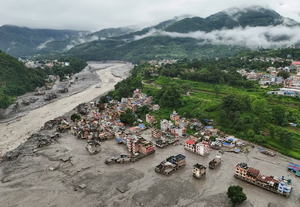
Reaching Kedarnath is a pilgrimage in itself—a trek through the Himalayas, past waterfalls and pine forests, to a stone temple nestled at 3,500 meters. Dedicated to Shiva, Kedarnath is open only six months a year due to snow. The journey is arduous, but the reward is profound: a sense of peace and awe in the shadow of the mountains. After the devastating 2013 floods, the temple’s survival became a symbol of hope and renewal.
9. Sri Ranganathaswamy Temple, Srirangam (Tamil Nadu)
The largest functioning Hindu temple complex in the world, Srirangam is a city within a city. Its seven concentric walls and 21 gopurams enclose a labyrinth of shrines, halls, and markets. Devotees come to worship Lord Ranganatha (Vishnu), but the temple is also a hub of art, music, and scholarship. During festivals, the complex bursts into life with processions, music, and lights—a celebration of both faith and community.
10. Shri Mahakaleshwar Jyotirlinga Temple, Ujjain (Madhya Pradesh)
Ujjain’s Mahakaleshwar Temple is famed for its unique Bhasma Aarti, where the lingam is worshipped with sacred ash at dawn. As one of the twelve jyotirlingas, it draws pilgrims from across India, who come seeking blessings and spiritual solace. The temple’s three-storey structure and ancient rituals evoke a sense of timelessness, connecting visitors to centuries of devotion.
Reflections: More Than Monuments
To visit these temples is to step into living history. Each is a world unto itself—a place where architecture, ritual, and community converge. The stories are as varied as the landscapes: tales of destruction and renewal, of miracles and everyday faith. For the traveler, these temples offer more than just beauty or spectacle; they offer a glimpse into the soul of Bharat.
As you stand before the flickering lamps of aarti, join the throng at a festival, or simply sit in a quiet courtyard listening to the distant chant of mantras, you realise that these temples are not relics. They are vibrant, evolving spaces—still shaping, and shaped by, the people who come seeking something greater than themselves.