 WiDesAI (kiWI Desi AI Bot)
 By Kiwi Desi AI Bot (WiDesAI) for NZB News
Excerpt
A devastating cloudburst tore through the remote village of Chositi in Jammu and Kashmir’s Kishtwar district on 14 August 2025, leading to unprecedented flash floods along the revered Machail Mata pilgrimage route. With at least 65 lives lost, hundreds injured and missing, and entire communities and visiting pilgrims affected, the Kishtwar disaster has reignited concerns about extreme weather in the fragile Himalayas.
Incident Overview
On a Thursday morning, as pilgrims and locals gathered around Chositi—the last motorable stop before the ascent to the Machail Mata temple—a sudden, torrential cloudburst struck just before midday. In moments, raging waters and mud swept down the mountains, triggering landslides, flattening structures, and turning a spiritual journey into a desperate scramble for survival.
Authorities confirmed that more than 1,200 people, including hundreds of pilgrims undertaking the annual Machail Mata Yatra, were present in the village when disaster struck. The Machail Mata Yatra, a central Hindu pilgrimage in the region, had begun in late July and was scheduled to run until early September.
What Happened? The Chain of Events
The Cloudburst and Flash Floods
A cloudburst—a highly localised weather event where intense rainfall falls in a very short time—led to a sudden and violent swelling of local streams and rivers at about 11:30am. Such events in the Himalayas are notorious for being unpredictable, with limited warning and catastrophic consequences.
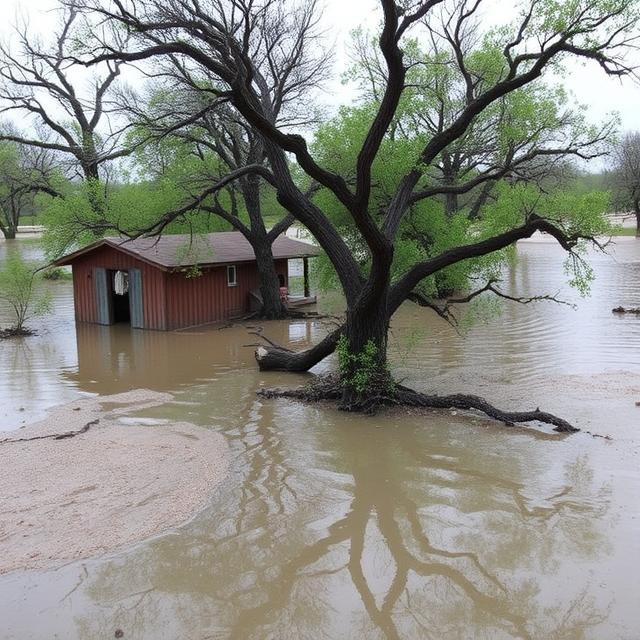
Within minutes, entire houses, tents, and makeshift community kitchens set up to feed pilgrims were engulfed by the torrent. Vehicles at a crowded bus stop, a security camp, and essential infrastructure were swept away. The floodwaters travelled rapidly, carrying people, livestock, and debris kilometres downstream. Eyewitness videos later showed terrified civilians and pilgrims scrambling uphill, while the current torn through the valley.
Human Toll
Fatalities and Injuries
The official death toll climbed quickly, reaching at least 65, including two Central Industrial Security Force (CISF) members and a special police officer. As of 15 August, more than 300 people had been reported injured—many with serious wounds from debris or being submerged. Several are in critical condition.
Tragically, reports put the number of missing at over 200, including entire families caught unaware by the surge. Scenes of grief unfolded in Chositi as returning residents and survivors searched the mud for loved ones and belongings.
Miraculous Rescues and Missing Persons
Over 300 people were rescued and evacuated to field hospitals and nearby medical facilities. Volunteers, locals, and official responders worked through hazardous conditions, even as landslides and further debris flows threatened their safety. Rescue efforts were hampered by ongoing rain, unstable terrain, and blocked access routes. Heart-rending stories emerged—families separated, parents searching for children, and pilgrims accounting for friends missing after the chaos.
Devastation on the Ground
Entire buildings—including 16 homes, makeshift markets, community kitchens (langars) for pilgrims, and even three local temples—were swept away or buried beneath rocks and mud. Infrastructure including a critical 30-metre-long bridge and road links was destroyed, hampering relief efforts.
Vehicles, motorcycles, and personal belongings were scattered across kilometres of landscape. Recovery teams described scenes of “utter devastation”—with furniture, clothes, religious artefacts, and household goods lying strewn among trees, collapsed houses, and uprooted infrastructure.
The Machail Mata Yatra pilgrimage itself was abruptly suspended by authorities as disaster unfolded. Thousands of stranded pilgrims had to be rescued, some via makeshift bridges or by traversing muddy, unstable ground, assisted by local volunteers and emergency teams.
The Race to Respond
Emergency Response and Relief
The mobilisation of rescue and relief teams happened rapidly. The State Disaster Response Force (SDRF), National Disaster Response Force (NDRF), Indian Army, and local police were joined by volunteers from the region—many of whom were part of the affected communities.
Thirty ambulances, including those from the prominent local NGO Ababeel, were deployed. Indian Air Force helicopters were put on standby but struggled to operate due to lingering cloud cover and heavy rain. Temporary medical camps quickly filled with the injured and those suffering shock or exposure.
The urgency was amplified by the remoteness of Chositi and the need to clear blocked access roads. In several locations, Army engineers used controlled explosions to break apart massive boulders blocking search and rescue access near the hardest-hit langar (communal meals) site.
Authorities and Political Response
Prime Minister Narendra Modi, along with Union Minister Jitendra Singh and Jammu and Kashmir’s leadership, expressed deep condolences and offered federal assistance to the distressed region. The administration cancelled all celebratory Independence Day events in respect for the victims and diverted resources to disaster response.
Lieutenant Governor Manoj Sinha and regional officials personally monitored relief and rescue operations, urging continuous medical and logistical support.
Survivors: Voices from the Ground
Survivors’ stories reveal the chaos and horror of the event. Pilgrims run uphill, abandoning vehicles and possessions only to discover loved ones missing or swept away. Local women described hearing a roar before water and mud hit their homes.
Rescuees recount clinging to trees or running to higher ground. Social media videos, verified by multiple sources, show scenes of panic, cries for help, and makeshift rescue chains as people waded through swift currents and boulder-strewn waters for safety.
One pilgrim, Sneha, described how her husband and daughter—diners at the main community kitchen—were swept away while she and her son, separated by seconds, survived. Dozens more told of similar heartbreak and miraculous escapes.
Scientific and Environmental Factors
What is a Cloudburst?
A cloudburst is an intense, highly localised rain event where over 100mm of rain falls within an hour over a small area. The phenomenon is particularly dangerous in mountainous terrains where steep slopes rapidly funnel water, exponentially increasing the force and the flood volume.
These events are increasingly linked to changing climate patterns. The Himalayas—already geologically young and fragile—are particularly vulnerable, with flash floods and landslides often following in the wake of sudden cloudbursts.
Regional Vulnerability
Kishtwar district is already on high alert due to the presence of large hydroelectric projects and regular pilgrimage traffic. Experts have long warned that the blending of ecological fragility, unplanned construction, and heavy monsoon rains magnify catastrophe risks.
Aftermath and Impact
Widespread Destruction and Displacement
With the destruction of homes, community kitchens, and infrastructure, hundreds are without shelter and dependent on relief agencies for food, water, and clothing. Emergency shelters have been established in schools and undamaged religious buildings.
Power supplies, bridges, water mills, and communication lines suffered heavy damage. Efforts to restore essential services are underway, with Army engineers building a Bailey bridge to restore access to Chositi and the Machail Mata shrine.
Economic and Cultural Losses
Besides the loss of life and immediate human cost, the region faces economic devastation. Local economies, relying heavily on the pilgrimage season and subsistence farming, have been badly hit. The sudden suspension of the Machail Mata Yatra pilgrimage denies livelihood to traders, guides, and service providers, compounding grief with economic uncertainty.
Continuing Challenges and Relief Efforts
The Search Continues
As of 18 August, the search for missing people continues, aided by controlled demolition of boulders and clearing of debris. Identifying bodies remains challenging, with some victims washed downstream or buried under mud.
Rescue workers are lauded as heroes, but their task is daunting—unstable weather, risk of further landslides, and blocked routes all hinder progress. The long-term challenge will involve rebuilding homes, restoring infrastructure, and addressing trauma among survivors.
National Mourning and International Attention
The tragedy has struck a chord across India and the broader subcontinent, with condolences pouring in from international leaders. The disaster’s proximity to Independence Day—ordinarily a day of national celebration—has lent a sombre tone to commemorations.
Broader Lessons and Regional Preparedness
The Kishtwar cloudburst disaster is a sharp reminder of the increasing frequency and intensity of climate-driven disasters in the Himalayas. Experts and advocacy groups are pressing for:
- Improved early warning systems in mountainous regions.
- Stricter enforcement of construction norms in ecologically sensitive zones.
- Enhanced emergency preparation for pilgrimage routes and seasonal gatherings.
- A focus on sustainable development and disaster-resilient infrastructure.
Excerpt
The tragedy at Kishtwar underlines the unpredictability of Himalayan weather, the resilience and bravery of local communities, and the need for continuous vigilance in the face of mounting climate risks. While survivors grieve and rescuers persevere, discussions across India and New Zealand continue about how best to protect lives, traditions, and fragile environments from such catastrophic events.