




 Theodora Chapman
 By Theodora Chapman
Wildlife Conservation Correspondent, New Zealand Bharat News (NZB News)
Published: 05 March 2025, 10:45 AM NZDT
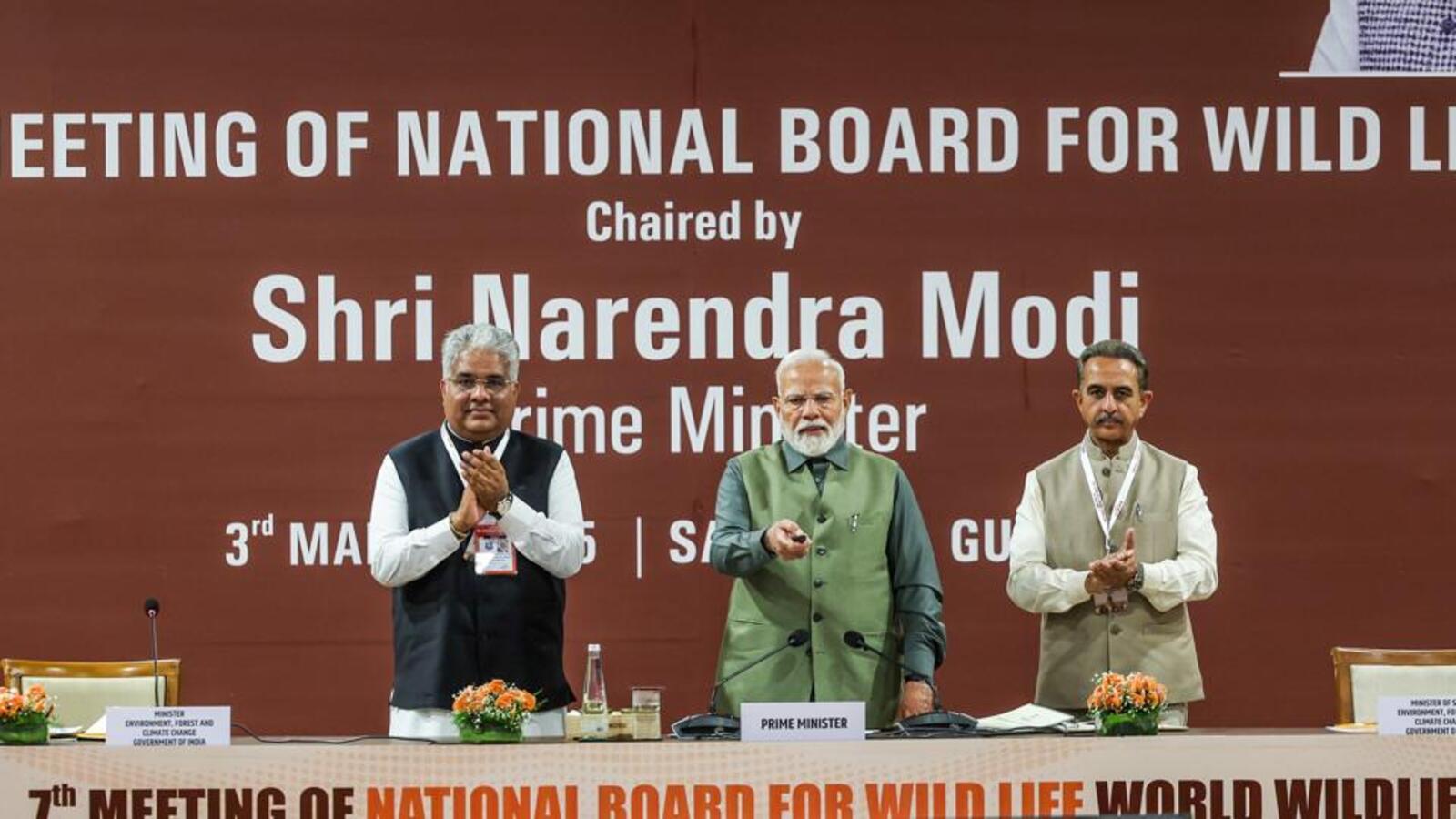
JAMNAGAR, GUJARAT – On Tuesday, March 4, Indian Prime Minister Narendra Modi inaugurated Vantara, billed as the world’s largest wildlife rescue, rehabilitation, and conservation centre, in Gujarat’s Jamnagar district. Spanning 3,500 acres, this ambitious initiative by Reliance Industries and the Reliance Foundation houses over 1.5 lakh rescued, endangered, and threatened animals across more than 2,000 species. For New Zealanders passionate about biodiversity, Vantara’s launch offers a striking parallel to our own conservation efforts—think kiwi recovery or kākāpō breeding—scaled up to an extraordinary level.
A Sanctuary Like No Other
Vantara, spearheaded by Anant Ambani, son of Reliance Industries Chairman Mukesh Ambani, isn’t just a refuge—it’s a lifeline. During his visit, Modi toured the sprawling facility, feeding Asiatic lion cubs, a white lion cub born at the centre, and a rare clouded leopard cub. He also released rehabilitated ring-necked parakeets into the wild, a symbolic nod to Vantara’s mission: rescue, rehabilitate, and, where possible, restore animals to their natural habitats. The centre’s state-of-the-art wildlife hospital, equipped with MRI and CT scanners, ICUs, and specialised units like wildlife anaesthesia and cardiology, left Modi visibly impressed. He witnessed an Asiatic lion undergoing an MRI and a leopard receiving life-saving surgery after a highway accident—scenes showcasing cutting-edge care.
The numbers are staggering: 25 million trees planted to bolster habitats, a 3,000-acre cheetah conservation project, and hydrotherapy pools easing arthritic elephants back to mobility. From two-headed snakes to orphaned rhino calves, Vantara’s residents testify to its scope. Modi, joined by the Ambani family, also mingled with golden tigers, snow leopards, and zebras, spotlighting India’s biodiversity crisis—and its resolve to tackle it.


A Historical Commitment to Conservation
India’s wildlife story is one of highs and lows. The Asiatic lion, once roaming from Persia to Bengal, dwindled to a mere 12 individuals by the late 19th century, saved only by the Nawab of Junagadh’s protection in Gujarat’s Gir Forest. Today, their numbers hover around 600, a fragile success. The one-horned rhino, nearly extinct with 200 left in 1900, now boasts over 4,000 thanks to relentless conservation. Vantara builds on this legacy, echoing New Zealand’s own triumphs—like the takahe, snatched from oblivion in Fiordland.
Historically, India’s conservation ethos dates back centuries, from Ashoka’s edicts protecting forests to the Bishnoi community’s tree-hugging sacrifices in the 1700s. Modi himself tied Vantara to this heritage, calling it “a vibrant example of our centuries-old ethos of protecting those we share our planet with” in a post on X. Yet, modern threats—habitat loss, poaching, and climate change—demand modern solutions, and Vantara’s tech-driven approach fits the bill.
Recent Context and Global Resonance
The timing couldn’t be more apt—just a day after World Wildlife Day on March 3. Modi’s Gujarat visit, spanning three days, included a lion safari at Gir National Park, underscoring his personal stake in wildlife. Vantara’s launch follows India’s 2022 cheetah reintroduction, airlifting eight from Namibia to Madhya Pradesh, a bid to revive a species extinct locally since 1947. With 1.4 million hectares of forest lost between 2001 and 2023 (Global Forest Watch), such efforts are urgent.
For Kiwi readers, Vantara resonates. New Zealand’s Predator Free 2050 goal mirrors its aim to safeguard species, though our scale—1080 drops and island sanctuaries—pales beside Vantara’s grandeur. Both nations share a renewable energy edge (NZ at 80%, India at 40% and rising), powering these green visions. Vantara’s recognition with the ‘Prani Mitra’ National Award in 2025 underlines its clout, much like our Department of Conservation’s accolades.
What Lies Ahead
Vantara isn’t without scrutiny. Privately funded by Reliance, questions linger about corporate influence in conservation—a debate familiar to NZ with private-public partnerships like the Taranaki Mounga Project. Yet, its global team of veterinarians and focus on rewilding signal serious intent. Modi urged integrating technology into wildlife efforts, a call that could inspire NZ innovations like AI predator traps.
As India gears up for its 2035 fossil fuel import ban, Vantara’s eco-sustainability ethos aligns with a broader shift. For now, it stands as a beacon—proof that scale, science, and compassion can coexist. Will it redefine global wildlife rescue? Time will tell, but its doors are open, and the world is watching.
Excerpt
“From feeding lion cubs to freeing parakeets, Modi’s Vantara visit blended symbolism with substance. In a nation racing to balance growth and green, this sanctuary offers hope—a Gujarat-grown answer to a planetary plea.”
Theodora Chapman hails from the Cotswolds and writes on wildlife conservation for NZB News, drawing on her Environmental Science background.