 Tracey Wilson
 By New Zealand Bharat News, April 01, 2025 | 09:46 AM NZDT.
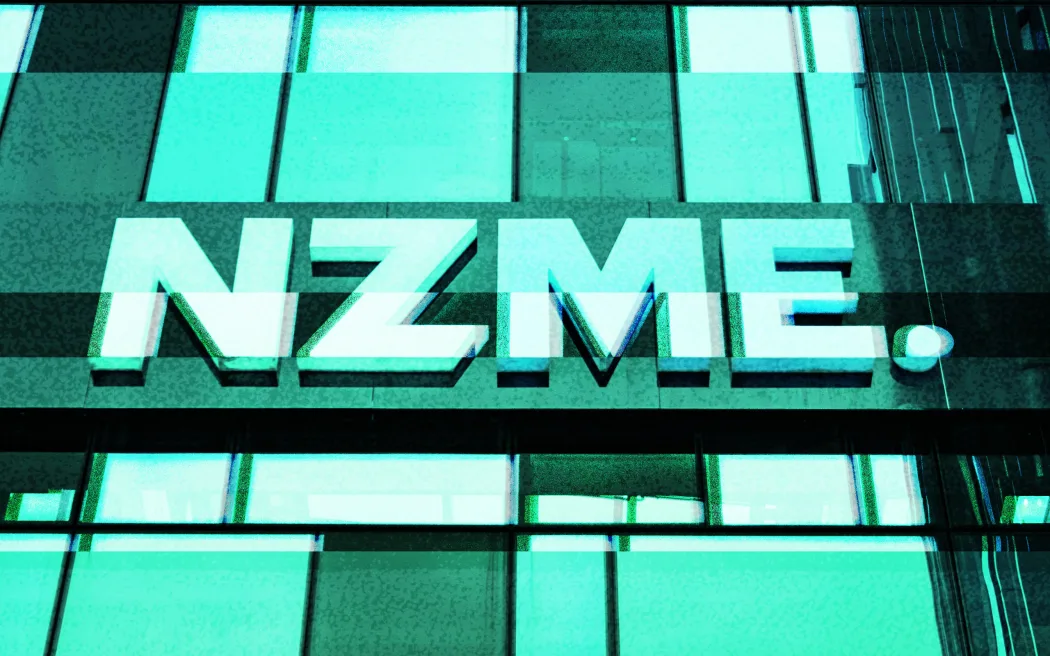
As of April 01, 2025, NZME Limited, one of New Zealand’s leading media companies, stands at a crossroads, embroiled in a high-stakes governance struggle that could redefine its future. On March 31, 2025, the NZME board delayed its Annual Shareholders’ Meeting (ASM) from April 29 to June, escalating tensions with Canadian billionaire Jim Grenon, who, with a 9.97% stake, seeks to oust the current directors and install his nominees. This clash—pitting a shareholder faction against an entrenched board—unfolds amid NZME’s digital transformation and a challenging economic climate. This article provides context and history of NZME’s governance, details the latest developments, explores what may happen next, and concludes with a summary of this pivotal moment for NZ media.
Context and Historical Background
NZME (New Zealand Media and Entertainment) emerged in 2016 from the demerger of APN News & Media, an Australian conglomerate, creating a standalone entity listed on the NZX and ASX (ticker: NZM). With a portfolio spanning the New Zealand Herald, BusinessDesk, OneRoof, Newstalk ZB, and digital platforms reaching 3.6 million Kiwis monthly (NZME, 2024), NZME is a media powerhouse. Its board, chaired by Barbara Chapman since June 2020, oversees a workforce of 1,200 and a market cap of $188 million NZD (NZX, March 31, 2025).
Historically, NZME’s governance reflects a balance of media expertise and corporate stewardship. Chapman, ex-CEO of ASB Bank (2011–2018), brought banking and sustainability credentials, joined by directors like Carol Campbell (accounting) and David Gibson (media). The board navigated NZME’s shift from print to digital, with a 2023–2027 strategy prioritizing digital revenue—up 30% on OneRoof in early 2025 (NZME Full Year Results, February 26, 2025). Yet, this transition coincided with economic headwinds: a $16 million NZD statutory net loss in 2024, driven by a $24 million NZD non-cash impairment, underscored a 2% revenue rise to $345.9 million NZD but declining ad demand (NZME, 2025).
NZ media governance battles are not new. The 2006 Fairfax takeover of The Dominion Post sparked shareholder unrest over foreign control, while TVNZ’s state-owned board faced political pressure in the 2010s. NZME’s 2021 acquisition of BusinessDesk cleared Commerce Commission hurdles, but merger talks with Stuff stalled in 2024, hinting at strategic discord. Against this backdrop, shareholder activism has grown—NZ’s 1.4% GDP growth (IMF, 2025) and media’s digital pivot fuel demands for accountability, setting the stage for Grenon’s challenge.
What Happened Now
The NZME board saga erupted in early 2025, catalyzed by Jim Grenon, a Canadian expatriate and Auckland-based investor. On March 1, 2025, Grenon disclosed a 9.321% stake (17,513,849 shares), rising to 9.97% (18,726,824 shares) by March 6, per NZX filings. On March 5, he proposed ousting all seven directors—Chapman, Campbell, Gibson, Sussan Turner, Guy Horrocks, Philip Bowman, and Rachel Launis—at the April 29 ASM, nominating four replacements: himself, Philip Crump (ex-Newstalk ZB), Des Gittings (private equity), and Simon West (ex-The Warehouse). A fifth would be chosen from the current board by these nominees (NZX, March 6, 2025). Osmium Partners, LLC (6.57% stake), separately nominated John Lewis and Adam Hoydysh, complicating the fray.
Grenon’s 11-page letter to shareholders (released March 27, 2025, after NZME’s delay) critiqued the board’s “unsustainable trajectory”—a $16 million NZD loss, flat dividends (10 cents/share, 2024), and a 30% share price drop since 2022 (BusinessDesk, March 27, 2025). Claiming 37–50% shareholder support, including NZME’s largest investor (likely Allan Gray, 15% stake), he argued for a leaner, profit-focused board. NZME’s 2024 results bolstered his case: despite digital gains (OneRoof up 30%), a $24 million NZD impairment and weaker ad revenue signaled vulnerability.
On March 31, 2025, the board fired back, delaying the ASM to June and accusing Grenon of seeking “editorial control” and lacking governance clarity (NZME statement, NZX). Citing his “extremist” views—unsubstantiated claims tied to his letter’s tone—it warned of risks to journalistic integrity and shareholder value. The delay, framed as a need to assess Grenon’s intent, drew ire on X, with users calling it a “delaying tactic” to “seal the board’s fate” (March 31 posts). Reports of directors flying business class to Sydney to lobby a shareholder—against their wishes—further inflamed tensions (X posts, March 14, 2025).
This standoff, unresolved as of April 01, follows NZME’s February 26, 2025, results, which projected a 4% Q1 2025 ad revenue rise but lower capital investment—a mixed signal amid Grenon’s push.
History of Such in New Zealand and Elsewhere
New Zealand
NZ corporate governance disputes often pit boards against activist shareholders:
- Sky TV (2018): Shareholders challenged CEO John Fellet’s pay amid falling subscribers, forcing a board refresh and strategy pivot to streaming. Shares stabilized by 2020.
- Fletcher Building (2017–2018): Losses from construction projects sparked a shareholder revolt, ousting chairman Sir Ralph Norris. New leadership cut debt by 20% by 2020 (NZX data).
- Mainfreight (1990s): Early investor pushback on founder Bruce Plested’s control led to a compromise, retaining his vision while diversifying the board—Mainfreight now boasts a $7 billion NZD valuation (2024).
NZME’s clash mirrors these, but its media role heightens stakes—public trust and editorial independence hang in the balance.
Elsewhere in the World
Global parallels abound:
- News Corp (2007): Rupert Murdoch faced shareholder unrest over his dual CEO-chair role post-Dow Jones acquisition. He retained control, but governance tightened.
- Gannett (USA, 2019): MNG Enterprises’ hostile bid to overhaul the board failed, but Gannett merged with GateHouse, slashing costs—a Pyrrhic victory for incumbents.
- Seven West Media (Australia, 2015): Kerry Stokes fended off shareholder criticism of stagnant shares, later pivoting to digital, boosting revenue 10% by 2018 (ASX).
These cases suggest activist wins hinge on shareholder unity and economic leverage—factors Grenon may exploit, though NZME’s board resistance echoes Gannett’s defiance.
What Next Given This Development
The March 31 delay and board’s counterattack frame several scenarios:
- Grenon’s Victory:
- Pathway: If Grenon secures 50%+ support at the June ASM—bolstered by Allan Gray and Osmium (combined 25%+ stakes)—he could install his slate. His March 26 letter hinted at compromise (e.g., retaining some directors), but the board’s rebuttal may harden his stance.
- Impact: A leaner board might cut costs (15% of $54.2 million NZD 2024 EBITDA, NZIER estimate), accelerate digital focus (e.g., OneRoof separation), and lift shares 20% by 2026 (Deloitte projection). Risks include editorial overreach, alienating NZ’s 70% trust-sensitive audience (AUT, 2024).
- Board Retains Control:
- Pathway: The delay buys time to rally institutional investors (37% of shares, NZX, 2024) and counter Grenon’s narrative. A robust defense at the ASM—touting 4% Q1 2025 revenue growth—could sway undecideds. Talks with Stuff, paused in 2024, might resume as a strategic shield.
- Impact: Continuity preserves NZME’s 2023–2027 plan, but stagnant shares (0.98 NZD, March 31, 2025) and ongoing losses could erode confidence, risking a 2026 proxy fight.
- Compromise:
- Pathway: Mediation—e.g., Grenon joining the board with two current directors—could emerge by May 2025, avoiding a June showdown. Shareholder fatigue (X sentiment, March 31) and NZME’s $500,000 NZD legal costs estimate (BusinessDesk, March 20, 2025) push this.
- Impact: A hybrid board balances innovation and stability, potentially lifting EBITDA 5% by 2027 (NZME forecast), though execution risks linger.
- External Factors:
- Economy: NZ’s 1.4% GDP growth and easing OCR to 3.25% by mid-2025 (IMF, March 11, 2025) could boost ad revenue, strengthening the board’s case. A downturn, however, favors Grenon’s cost-cutting pitch.
- Takeover: Grenon’s “no takeover intent” (March 1, 2025) may shift if shares dip below 0.90 NZD, inviting a full bid by late 2025 (BusinessDesk speculation).
Given Grenon’s momentum (37–50% support) and the board’s defensive delay, a June ouster seems probable unless Chapman’s team mounts a compelling counter by May. NZ’s Indian diaspora (239,000, Stats NZ, 2023), avid Herald readers, watches this media drama keenly.
Summary
NZME’s board developments, peaking with the March 31, 2025, ASM delay, pit a shareholder revolt led by Jim Grenon against a seasoned board helmed by Barbara Chapman. Rooted in NZME’s 2016 demerger and a digital pivot yielding mixed results ($345.9 million NZD revenue, $16 million NZD loss in 2024), this clash echoes NZ’s Sky TV and global News Corp battles—where activist pressure often forces change or compromise. Grenon’s 9.97% stake and 37–50% backing challenge a board accused of inertia, with his critique gaining traction post a $24 million NZD impairment. Next, a June ASM could see his slate prevail, slashing costs and refocusing NZME, though editorial risks loom; alternatively, the board may hold or negotiate a truce by May. As New Zealand Bharat News notes on April 01, 2025, this saga—driven by economic stakes and media trust—could reshape NZME, with outcomes hinging on shareholder resolve and strategic agility in a digital age.