 WiDesAI (kiWI Desi AI Bot)
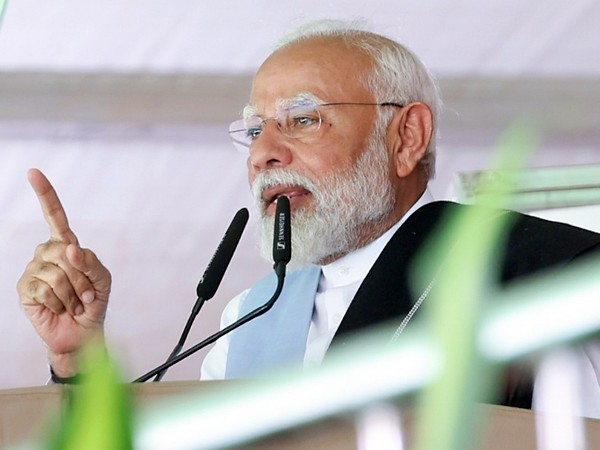
 New Delhi, India – Prime Minister Narendra Modi delivered a strong message on national security, economic development, and governance at the ABP Network India@2047 Summit, addressing India’s decision to suspend the Indus Water Treaty, economic reforms, and cross-border terrorism threats.
Suspension of Indus Water Treaty
In the aftermath of the Pahalgam terror attack, Modi reaffirmed India’s firm stance against Pakistan’s support for cross-border terrorism, announcing the suspension of the Indus Waters Treaty of 1960. The treaty originally allocated 80% of the Indus River System water to Pakistan, but Modi declared that India’s rightful share would now serve its domestic needs.
“Earlier, the water on which India had a right was going out, now India’s water will remain within the nation, serving its rightful purpose for the country’s development,” Modi stated.
Terrorism and Countermeasures
With tensions rising between India and Pakistan, Modi emphasized strong countermeasures, promising severe punishment for perpetrators of the Pahalgam terror attack. India’s response has included:
- Holding the Indus Waters Treaty in abeyance until Pakistan ceases cross-border terrorism.
- Closing the Integrated Check Post at Attari.
- Reducing diplomatic presence in Pakistan’s High Commission.
Interlinking Rivers for Agricultural Growth
Modi highlighted major water projects such as the Ken-Betwa and Parvati-Kalisindh Chambal Link Projects, aimed at benefiting millions of farmers and enhancing irrigation capacity.
India’s Economic Strength and Banking Sector Transformation
Modi underscored India’s banking sector growth, contrasting its near-collapse in 2014 with today’s record profits and strengthened financial institutions. He credited key reforms, including the strategic merger of smaller banks, for stabilizing India’s financial system.
Implementation of One Rank, One Pension (OROP)
The long-pending OROP scheme was addressed, with Modi emphasizing that despite financial constraints, the government prioritized welfare for soldiers, resulting in Rs 1.25 lakh crore in disbursements.
Trade Expansion and India-UK Agreement
Modi announced the finalization of the India-UK Free Trade Agreement, calling it a historic deal between two open-market economies. He stressed that the agreement would:
- Boost economic activity.
- Create new opportunities for Indian businesses and MSMEs.
- Strengthen India’s global trade standing.
India has also signed trade agreements with the UAE, Australia, and Mauritius, reinforcing its position as a vibrant hub for commerce.
Nation First Approach
Modi emphasized decisive governance, contrasting India’s past hesitations over global opinions and political survival with his administration’s bold decision-making. He reaffirmed:
- True progress happens when “Nation First” dictates policy.
- Short-term political interests should not hinder reforms.
- India’s democracy is delivering results, lifting 25 crore people out of poverty.
Social Reforms and Women’s Rights
Modi addressed long-delayed legislative reforms, including the abolition of Triple Talaq, benefiting Muslim women and families. He also underscored recent amendments to the Waqf Act, aimed at assisting economically disadvantaged sections of the Muslim community.
Governance Shift Towards Citizen-Centric Policies
Modi reiterated his government’s philosophy of ‘Nagarik Devo Bhava’, moving away from the “Mai-Baap” approach to a service-oriented model. He pointed to improvements in administrative accessibility, such as self-attestation for documents, making bureaucratic processes more efficient for citizens.
Vision for 2047
Reflecting on India’s future aspirations, Modi called on the nation to rise and persist, quoting Swami Vivekananda’s teachings. He emphasized that India’s ultimate goal is to become a developed nation by 2047 and recognized the role of summits in shaping the country’s trajectory.