



 Theodora Chapman
 New Zealand is bracing for a challenging winter as the country faces a perfect storm of weather extremes and mounting pressure on its electricity grid. The combination of severe flooding and the risk of widespread power cuts has left communities, businesses, and authorities on high alert. This winter, the realities of climate change, ageing infrastructure, and the slow pace of energy transition are converging, exposing vulnerabilities across the nation.
This in-depth report explores the current crisis, the underlying causes, the impact on everyday life, and the urgent need for resilience and adaptation as New Zealand navigates one of its most testing winters in recent memory.
A Season of Extremes: Floods Disrupt the North and South
Torrential Rains and Rising Rivers
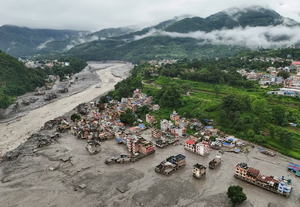
As winter settles in, relentless rain has swept across the North and South Islands. In the central North Island, towns have experienced some of the heaviest rainfall in decades, with rivers bursting their banks and roads submerged. Rural communities have been cut off, and emergency services have scrambled to respond to slips, evacuations, and rising floodwaters. In the Bay of Plenty and Waikato, swollen streams and blocked drains have caused flash flooding, forcing families to leave their homes and disrupting transport links.
On the South Island’s West Coast, the situation remains equally precarious. Rivers fed by melting snow and heavy rain are running dangerously high. Flood warnings are in place for several catchments, and local authorities have urged residents to prepare for further evacuations if conditions worsen.
Impacts on Infrastructure and Daily Life
Flooding has not only damaged homes and businesses but also strained critical infrastructure. Roads and bridges have been closed, isolating communities and delaying deliveries of essential goods. Water treatment plants have struggled to cope with silt and debris, leading to boil water notices in some areas. Schools have closed, and public transport has been disrupted, adding to the sense of uncertainty.
Farmers, already grappling with saturated paddocks and crop losses, face the prospect of further hardship as winter progresses. Livestock have been moved to higher ground, and some rural roads remain impassable, complicating efforts to get feed and supplies to remote properties.
The Looming Threat of Power Cuts
Tightening Electricity Supply
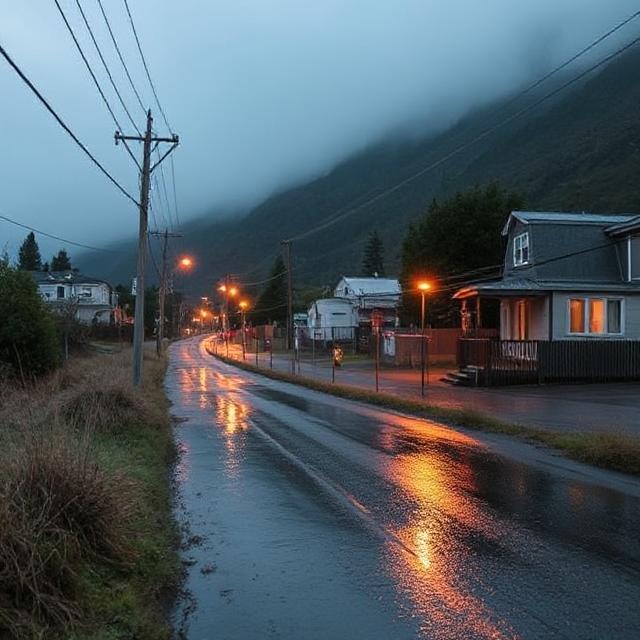
While communities battle floodwaters, a second crisis is brewing: the risk of power cuts. New Zealand’s electricity grid is under unprecedented pressure as the gap between supply and demand narrows. The country’s reliance on renewable energy is growing, but new projects are not coming online quickly enough to replace declining gas reserves and ageing infrastructure.
The national grid operator has issued warnings that the risk of electricity shortages is rising, particularly during periods of peak winter demand. The situation is exacerbated by the increased need for heating and lighting as temperatures drop, placing further strain on the system.
Causes of the Power Crunch
Several factors are driving the current energy crunch:
- Declining Gas Supply: Domestic gas production is falling faster than anticipated, leaving a shortfall that cannot be easily filled by renewables alone.
- Slow Rollout of Renewables: While wind, solar, and battery projects are in the pipeline, delays in consenting, construction, and grid connection mean that new capacity is not keeping pace with demand.
- Ageing Infrastructure: Much of the country’s transmission and distribution network is decades old, making it vulnerable to failures during storms and heavy use.
- Extreme Weather: Severe weather events, including storms and flooding, have damaged power lines and substations, causing outages and complicating repairs.
The Human Impact
For households, the threat of power cuts is deeply unsettling. Many New Zealanders rely on electric heating, and the prospect of losing power during a cold snap raises concerns about health and wellbeing. Vulnerable groups, such as the elderly, young children, and those with medical needs, are particularly at risk.
Businesses, especially those in food production, healthcare, and essential services, face the challenge of maintaining operations without reliable electricity. The cost of backup generators, fuel, and contingency planning is rising, adding to the financial strain.
Climate Change: The Underlying Driver
Intensifying Flood Risk
Flooding is New Zealand’s most frequent and costly natural disaster. The risk is increasing as climate change brings heavier rainfall, more intense storms, and rising sea levels. Urban development in flood-prone areas has compounded the problem, putting more people and assets in harm’s way.
The science is clear: warmer air holds more moisture, leading to heavier downpours. Even small increases in temperature can result in significantly more intense rainfall events. Coastal communities face the additional threat of storm surges and erosion, with thousands of homes and businesses at risk.
Energy System Vulnerabilities
The transition to renewable energy is essential for reducing emissions, but it also brings new challenges. Wind and solar generation are variable, and large-scale storage solutions are still being developed. The retirement of coal and gas plants has reduced the system’s flexibility, making it harder to respond to sudden spikes in demand or unexpected outages.
Climate change is also increasing the frequency and severity of storms, which can damage transmission lines and disrupt supply. The energy system must adapt not only to new technologies but also to a more volatile and unpredictable climate.
Community Responses and Local Resilience
Grassroots Action
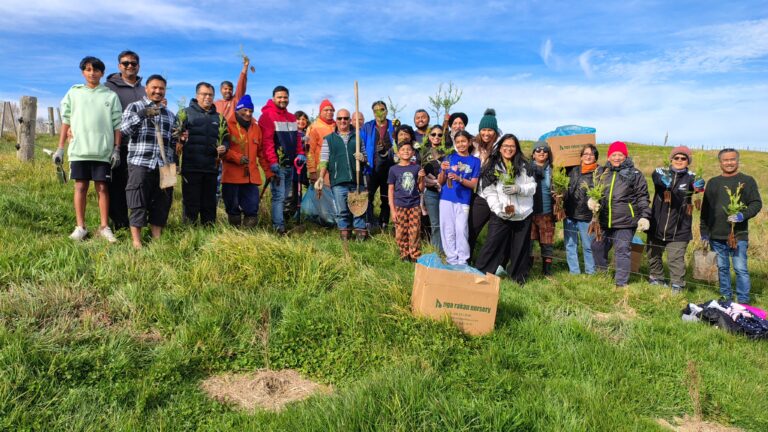
Across the country, communities are stepping up to build resilience in the face of floods and power cuts. Volunteer groups are clearing drains, reinforcing riverbanks, and distributing sandbags ahead of storms. Local marae and community centres are serving as emergency shelters, providing food, warmth, and support to those displaced by flooding.
In urban areas, councils are investing in stormwater upgrades, wetland restoration, and green infrastructure to absorb and slow runoff. Public education campaigns are encouraging residents to prepare emergency kits, develop family plans, and stay informed about weather alerts.
Regional and National Initiatives
Regional councils are investing heavily in flood protection, upgrading stopbanks, pump stations, and drainage networks. The government has allocated funding for resilience projects, focusing on areas most at risk. Efforts are also underway to improve coordination between emergency services, local authorities, and the energy sector to ensure a swift response when disasters strike.
On the energy front, demand response programmes are being expanded, allowing large users to reduce consumption during peak periods. New agreements with major electricity consumers, such as aluminium smelters and industrial plants, are helping to free up capacity for households and essential services during winter peaks.
Policy Challenges and the Path Forward
Gaps in National Planning
Despite progress, significant challenges remain. New Zealand lacks a fully integrated national approach to flood risk and energy security. Decision-making is often fragmented, with central and local government, industry, and communities working in parallel rather than in partnership.
There is a need for better hazard mapping, long-term investment in infrastructure, and clear guidelines for managing risk in the face of climate change. Funding constraints, especially for smaller councils and low-income communities, make it difficult to deliver the level of protection required.
Energy Transition: Balancing Reliability and Sustainability
The shift to renewables is essential, but it must be managed carefully to avoid compromising reliability. Investment in grid upgrades, storage, and flexible generation is critical. Policymakers are grappling with how to incentivise new projects, streamline consenting, and ensure that costs are shared fairly.
There is also a growing debate about the role of gas and other transitional fuels in maintaining security of supply. Some argue for a temporary extension of existing plants, while others emphasise the need to accelerate the shift to clean energy.
The Human Face of the Crisis
Stories from the Frontlines
In flood-hit towns, families are salvaging what they can from waterlogged homes, supported by neighbours and volunteers. Farmers are working around the clock to protect livestock and repair fences, knowing that another storm could set them back weeks or months.
In cities, residents are watching power bills climb and wondering whether the lights will stay on when the next cold front arrives. For those with medical needs, the threat of outages is a source of constant anxiety.
The Role of Community and Solidarity
Amid the challenges, stories of resilience and solidarity are emerging. Communities are coming together to share resources, support the vulnerable, and advocate for better protection. Local businesses are donating supplies, and schools are organising fundraisers for affected families.
The crisis is also prompting a broader conversation about how New Zealanders live, work, and prepare for the future. There is a growing recognition that resilience is not just the responsibility of government, but of everyone.
Looking Ahead: Building a Resilient Future
Investing in Adaptation and Preparedness
The events of this winter are a wake-up call for New Zealand. Building resilience to floods and power cuts requires sustained investment in infrastructure, planning, and community capacity. This means upgrading flood defences, modernising the electricity grid, and accelerating the rollout of renewables and storage.
It also means supporting vulnerable communities, ensuring that everyone has access to the information, resources, and support they need to prepare for and recover from disasters.
Strengthening Coordination and Leadership
Effective resilience requires strong leadership and coordination at all levels. Central government must set clear priorities and provide the resources needed to deliver on them. Local councils, iwi, and community groups must be empowered to lead on the ground, drawing on local knowledge and expertise.
Partnerships between government, industry, and civil society are essential for delivering solutions that are both effective and equitable.
Embracing Innovation
Innovation will play a key role in building resilience. New technologies in energy storage, flood forecasting, and emergency response are already making a difference. Continued investment in research, development, and pilot projects will help New Zealand stay ahead of emerging risks.
Summary
New Zealand is facing a winter of uncertainty as floods and power cuts threaten to disrupt daily life and test the nation’s resilience. These challenges are the result of long-term trends in climate, energy, and development, and they require a coordinated, sustained response. Communities, businesses, and authorities are rising to the challenge, but more must be done to build a future where New Zealanders are safe, connected, and prepared for whatever lies ahead.
The road to resilience is long, but the lessons of this winter will shape the country’s approach for years to come, ensuring that New Zealand remains a place where people can thrive, even in the face of adversity.