 Theodora Chapman
 Delhi has been battered by its heaviest May rainfall on record, as a fierce overnight storm brought the city to a standstill. Torrential rains, accompanied by gale-force winds and intense thunderstorms, caused severe flooding, widespread power outages, and major disruptions to air and road traffic. The scale and intensity of the event have left residents and authorities grappling with the aftermath, as the capital faces the daunting task of recovery and adaptation in the face of increasingly volatile weather.
A Night of Chaos: The Storm Unfolds
The deluge began late Saturday night and continued into the early hours of Sunday, with the India Meteorological Department (IMD) issuing a rare red alert for Delhi and the National Capital Region (NCR). The city’s primary weather station at Safdarjung recorded 81.2 mm of rain in just six hours, with wind gusts reaching up to 82 km/h. Other parts of the city, including Pusa and Palam, saw 71 mm and 68 mm respectively, while Mayur Vihar received 48 mm.
This single night of rain pushed Delhi’s May rainfall total to an unprecedented 186.4 mm—shattering the previous record of 165 mm set in 2008 and nearly six times the long-term May average of 30.7 mm. The IMD’s forecast, warning of violent thunderstorms and gusts up to 100 km/h, proved accurate as the storm swept in from the northwest, hammering Delhi and neighboring Haryana.
Flooded Streets, Uprooted Trees, and Urban Paralysis
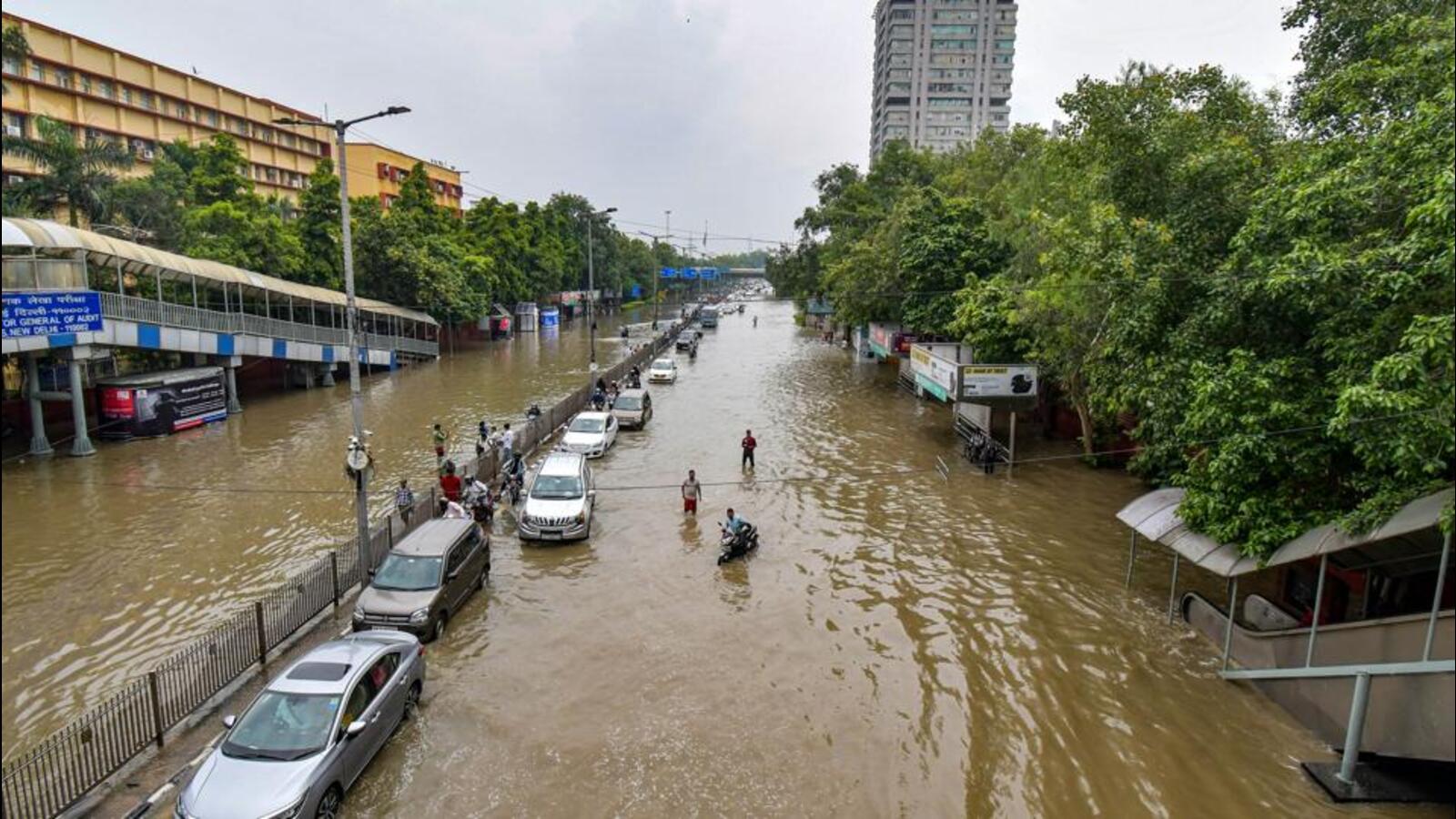
As dawn broke, the scale of the flooding became clear. Major roads and underpasses, including Moti Bagh, Minto Road, Delhi Cantonment, and Deen Dayal Upadhyay Marg, were submerged. Visuals shared on social media showed cars stranded and even submerged, with the iconic Minto Road underpass once again making headlines for knee-deep water and marooned vehicles.
Commuters faced chaos as waterlogged streets brought traffic to a crawl or a complete halt. The Mahipalpur flyover and roads near Terminal 1 of the airport were particularly hard-hit, with knee-deep water stranding travelers and choking vehicle movement. Many Delhiites described scenes of “pralay” (deluge) and compared the city’s cool, rain-washed air to that of Shimla, as temperatures plunged by 8–10°C in less than 90 minutes.
Air Traffic Disrupted: Hundreds of Flights Affected
The impact on air travel was immediate and severe. More than 200 flights at Indira Gandhi International Airport were delayed, diverted, or canceled as the storm raged. IndiGo and other airlines issued alerts about adverse weather, and flight tracking data showed average departure delays of 30–45 minutes, with full normalcy not restored until after sunrise.
Between 11:30 p.m. Saturday and 4:00 a.m. Sunday, at least 49 flights were diverted, including several international arrivals. Passengers described being stranded on the tarmac or in airport lounges for hours, while ground staff struggled to manage the backlog.
Power Outages and Infrastructure Damage
The storm’s ferocity damaged electrical installations across the city, plunging many neighborhoods into darkness. Tata Power Delhi Distribution reported outages in Bawana, Ghogha village, Rohini, Sultanpuri, Mangolpuri, and other areas. Power was also temporarily suspended in some locations as a safety precaution while restoration crews worked through the night.
The high winds uprooted trees and snapped branches, blocking roads and damaging vehicles. In a tragic incident, a police officer died when the roof of the Assistant Commissioner’s office collapsed during the downpour. The IMD also warned of moderate damage to crops, particularly bananas and papayas, in Delhi and neighboring states.
Waterlogging: A Chronic Urban Crisis
Delhi’s chronic drainage woes were laid bare yet again. Despite repeated warnings and annual monsoon preparedness drives, the city’s stormwater infrastructure proved inadequate to handle the deluge. Underpasses, low-lying roads, and residential colonies flooded rapidly, with water taking hours to recede in some areas.
Videos circulated online showed residents wading through waist-deep water, while others used makeshift rafts to cross flooded streets. Public transport was severely affected, with buses stranded and metro stations reporting water seepage in some locations.
Relief From Heat, But At What Cost?
The only silver lining for many was the dramatic drop in temperatures. Safdarjung saw the mercury fall from 31°C to 21°C, Palam from 29°C to 22°C, and Pusa from 31.8°C to 20.5°C. After days of oppressive heat, the storm brought a welcome, if short-lived, respite.
However, the relief was overshadowed by the scale of disruption and damage. The IMD cautioned that more rain and unstable weather could persist, urging residents to remain indoors and avoid unnecessary travel.
Government and Emergency Response
Authorities scrambled to respond to the crisis. The Delhi Disaster Management Authority (DDMA) and municipal agencies deployed pumps and emergency crews to clear waterlogged roads and restore power. Police and fire services worked through the night to rescue stranded motorists and clear fallen trees.
The IMD’s red alert and nowcast warnings were credited with helping reduce casualties, as many residents heeded advice to stay indoors and avoid open spaces, trees, and unstable structures.
Social Media: A City’s Anguish and Resilience
Delhiites took to social media to share updates, vent frustration, and offer help. Hashtags like #DelhiRains and #FloodedDelhi trended as users posted images of submerged cars, blocked roads, and dramatic lightning strikes. Some offered shelter to stranded commuters, while others called for urgent upgrades to the city’s drainage and infrastructure.
Climate Change and Urban Vulnerability
Meteorologists and urban planners have warned that such extreme weather events are becoming more frequent and intense due to climate change. The combination of rapid urbanization, shrinking green cover, and inadequate drainage has left Delhi increasingly vulnerable to flooding.
Experts called for urgent investment in drainage systems, better urban planning, and stricter enforcement of building codes to reduce the risk of future disasters.
Looking Ahead: More Rain Possible
The IMD has signaled that weather may remain unstable for the next 24 hours, with the possibility of more rain and thunderstorms. Residents have been urged to monitor official advisories, avoid travel during storm conditions, and report emergencies to authorities.
Key Takeaways and Lessons
- Record Rainfall: Delhi recorded 186.4 mm of rain in May—its highest ever for the month.
- Massive Disruption: Severe flooding, power outages, and flight delays affected lakhs of residents.
- Infrastructure Gaps: The city’s drainage and power infrastructure struggled to cope.
- Climate Warning: Experts say such events will become more common as the climate warms.
- Community Spirit: Despite hardship, Delhiites showed resilience, helping one another through the crisis.
Summary
The unprecedented rains and flooding in Delhi have exposed the city’s vulnerabilities and the urgent need for climate adaptation and resilient infrastructure. As the capital recovers, the lessons of this storm must not be forgotten. With extreme weather set to become the new normal, Delhi—and cities across India—must act now to safeguard their future against the rising tide.