
 Theodora Chapman
 By Theodora Chapman | NZB News | 27 April 2025
Background
New Zealand is internationally admired for its pristine landscapes — the rugged Southern Alps, ancient kauri forests, and sparkling coastal waters. However, growing environmental pressures from climate change, urbanisation, and invasive species challenge this natural paradise.
In this critical moment, ancient ecological philosophies from around the world — particularly from India’s tradition of sacred groves (devrai or kavu) — are inspiring a new way of thinking about conservation in Aotearoa.
Could the spiritual reverence for nature found in Indian culture offer fresh insights for protecting New Zealand’s fragile ecosystems?
Ancient Roots of Sacred Ecology
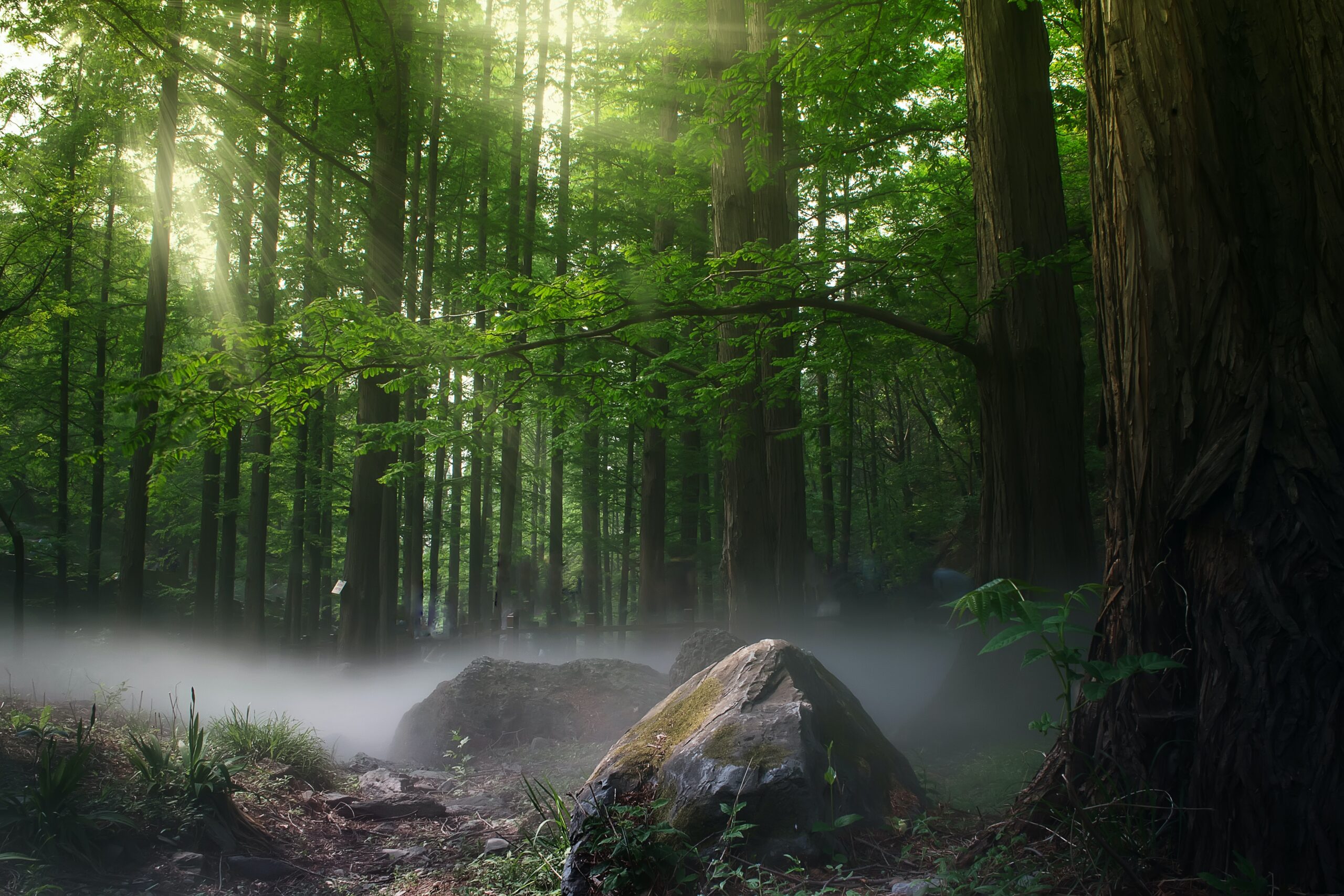
In India, sacred groves are small patches of forest preserved on religious or cultural grounds, often associated with deities, spirits, or ancestral reverence. These groves have existed for millennia as living examples of conservation without formal laws — protected not by enforcement, but by communal belief.
Researchers estimate there are still over 100,000 sacred groves scattered across India, many acting as biodiversity hotspots, preserving rare flora and fauna, traditional water sources, and ancient genetic resources.
The underlying principle is simple yet profound: Nature is sacred and integral to human survival and spiritual wellbeing.
Parallels in Māori and Pasifika Perspectives
New Zealand is not without its own indigenous wisdom.
Mātauranga Māori (Māori knowledge) similarly recognises a spiritual dimension to the natural world. Rivers, mountains, and forests are treated as living ancestors, deserving respect and protection.
Pasifika traditions, too, embody deep respect for the environment, weaving sustainability into everyday life through practices like rahui (temporary bans) and sacred groves known as tapu spaces.
In many ways, these shared values create a bridge of understanding between Indian settlers and indigenous New Zealanders, offering opportunities for culturally-informed conservation collaborations.
Current Projects Inspired by Indigenous Wisdom
- Community-Led Conservation Areas
Groups such as Predator Free NZ and Trees That Count are collaborating with Indian and Māori communities to restore native bushlands, combining scientific methods with traditional ecological respect. - Sacred Plant Initiatives
In Auckland and Hamilton, Indian community groups have planted native species in temple grounds, treating them as sacred groves, merging Indian and Kiwi values. - Environmental Festivals
Events like EcoSattva in Wellington and Green Diwali in Christchurch promote sustainability rooted in spiritual traditions, encouraging low-carbon, waste-free celebrations tied to both Indian and Kiwi environmental principles. - Youth Education and Advocacy
Schools are developing programmes that introduce students to both Indian and Māori environmental philosophies, teaching ecological stewardship as a shared cultural and spiritual duty.
Discussion: Towards a Holistic Conservation Ethic
By viewing nature as kin — not commodity — Indian and Māori ecological traditions offer a model for conservation that is relational, holistic, and deeply ethical.
This approach moves beyond the utilitarian “preserve it because it’s useful” logic that often dominates Western environmentalism. Instead, it suggests:
Protect it because it is sacred. Live in gratitude, not dominance. Act as stewards, not conquerors.
Such a philosophy resonates powerfully in today’s New Zealand, as it seeks new pathways for environmental protection that honour both indigenous knowledge and multicultural contributions.
Challenges and Cautions
Of course, cross-cultural borrowing must be done respectfully.
Mātauranga Māori must not be appropriated without proper consultation and consent. Similarly, Indian sacred ecology must not be reduced to sentimentalism without understanding its complex historical and regional contexts.
Genuine partnerships, mutual learning, and deep listening are essential for building sustainable models that respect all wisdom traditions.
Summary
In a world struggling with environmental crises, ancient voices from distant lands and native soils are whispering urgently to us: protect, nurture, revere.
New Zealand stands at a unique crossroads where Māori, Pasifika, Indian, and Western ecological wisdoms can converge, crafting a conservation ethic that is both ancient and visionary.
In the hush of a sacred grove or the shadow of a kauri tree, we are reminded:
Nature is not separate from us.
It is us.
To save the earth is not charity; it is remembering who we are.