


 Swamy Gitananda
 A Daily Exploration of Dharma, Jnana, and Relevance to Modernity
By Swami Gitananda
Published on New Zealand Bharat (NZB) News, April 22, 2025
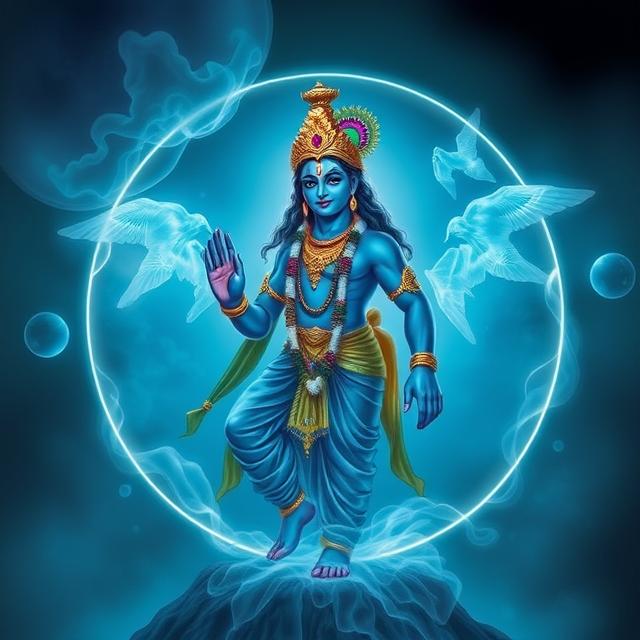
Om Shri Ramaya Namaha. Salutations to Rama, the embodiment of dharma and karuna (compassion), as we delve deeper into the Bhagavad Gita, the Divya-Shastra (divine scripture) that transforms Kurukshetra into a dharmakshetra of eternal truth. Yesterday, Arjuna, consumed by vishada-yoga (yoga of despondency), refused to slay kin (svajanam) even for dominion over the three worlds (trilokya-rajya), fearing papa (sin) and prioritizing sneha (affection) over svadharma (duty). Today, in Shloka 36, his despair sharpens as he questions the sukham (joy) in killing enemies (arih) who are kin, reiterating papa’s stain and deepening his moral and spiritual crisis, priming the Gita for Krishna’s upadesha.
This series is a daily sadhana (spiritual practice), offering one shloka at a time—its direct meaning, a profound exploration of its tattva (essence), insights from sampradayas (spiritual traditions), and its resonance with modern fields like quantum science, leadership, psychology, and svasthya (wellbeing). Let us immerse ourselves in Adhyaya 1, Shloka 36, where Arjuna’s vishada weaves karuna and papa into a plea for peace, a prelude to Krishna’s eternal wisdom.
The Shloka
निहत्य धार्तराष्ट्रान्नः का प्रीतिः स्याज्जनार्दन।
पापमेवाश्रयेदस्मान् हत्वैतानाततायिनः॥
Nihatya dhartarashtran nah ka pritih syajjanardana,
Papam evashrayedasman hatvaitanatatayinah.
Direct Meaning
“[Arjuna said:] ‘What joy would there be for us (nah ka pritih syat), O Janardana (janardana), in slaying the sons of Dhritarashtra (nihatya dhartarashtran)? Only sin (papam eva) would befall us (ashrayedasman) by killing these aggressors (hatvaitanatatayinah).’”
In this verse, Arjuna addresses Krishna as Janardana and questions the pritih (joy) in killing the Kauravas (dhartarashtran), asserting that slaying even atatayinah (aggressors) would bring papa (sin), his vishada framing war as a moral and spiritual tragedy.
Detailed Explanation of the Shloka
This shloka deepens Arjuna’s vishada-yoga, building on his refusal to slay kin (Shloka 35) by questioning the sukham (joy) in killing the Kauravas, whom he calls dhartarashtran (sons of Dhritarashtra) and atatayinah (aggressors). His fear of papa (sin) transforms Kurukshetra into a manas-kshetra (field of mind), where dharma’s call is eclipsed by karuna (compassion) and moral dread. Krishna, the silent Hrishikesha, listens as Partha’s buddhi (intellect) grapples with sneha (affection) and ahimsa (non-violence), poised to guide him to jnana. Let us explore its layers with viveka (discernment), bhakti (devotion), and vichara (inquiry).
- Nihatya Dhartarashtran: Slaying the Sons of Dhritarashtra
- Nihatya: “Slaying,” a stark verb, underscores the act of killing, echoing hantum (Shloka 35) and hatva (Shloka 31), vishada recoiling at bloodshed.
- Dhartarashtran: “Sons of Dhritarashtra,” refers to the Kauravas—Duryodhana and kin—but also svajanam (kin) like Bhishma and Drona, bound by sambandha (relation). Unlike svajanam, dhartarashtran acknowledges their enmity, yet sneha prevails.
This phrase grounds vishada in Kurukshetra’s reality, the Kauravas as arih (enemies) yet bandhun (kin), a karmic paradox Krishna will resolve.
- Nah Ka Pritih Syat: What Joy Would There Be for Us?
- Nah: “For us,” includes the Pandavas, Arjuna speaking for his brothers, united in sneha and despair.
- Ka Pritih: “What joy,” pritih (delight, satisfaction) echoing sukhani (Shloka 32), questions war’s reward. Ka (what) is rhetorical, negating sukham’s possibility.
- Syat: “Would there be,” a subjunctive, reflects manas’ doubt, vishada stripping victory of meaning.
This question mirrors Shloka 32’s kim no rajyena (what is kingdom?), pritih’s absence amplifying duhkha (sorrow), a samsaric truth Krishna will reframe.
- Janardana: O Janardana
- Janardana: Krishna’s name, meaning “mover of people” (jana = people, ardana = mover) or “destroyer of samsara’s pain,” evokes his Ishvara sovereignty and sakha (friend) intimacy. Arjuna’s shift from Madhusudana (Shloka 35) to Janardana deepens bhakti, a jiva seeking Paramatma’s solace.
This address signals prapatti (surrender), Partha’s manas crying for Krishna’s kripa (grace), priming the upadesha to dispel moha (delusion).
- Janardana: Krishna’s name, meaning “mover of people” (jana = people, ardana = mover) or “destroyer of samsara’s pain,” evokes his Ishvara sovereignty and sakha (friend) intimacy. Arjuna’s shift from Madhusudana (Shloka 35) to Janardana deepens bhakti, a jiva seeking Paramatma’s solace.
- Papam Eva Ashrayedasman: Only Sin Would Befall Us
- Papam Eva: “Only sin,” eva (indeed) emphasizes papa’s certainty, a moral and karmic stain Arjuna dreads. Papa here is both ethical (violating dharma) and spiritual (binding jiva to samsara).
- Ashrayedasman: “Would befall us,” ashrayed (would cling) suggests papa’s enduring karmic weight, asman (us) uniting the Pandavas in guilt.
This assertion echoes Shloka 35’s fear of papa, vishada framing war as adharma, a klesha-driven conclusion Krishna will counter with atman’s eternity (Adhyaya 2).
- Hatvaitan Atatayinah: Killing These Aggressors
- Hatva: “Killing,” repeats nihatya, reinforcing vishada’s aversion to violence.
- Etan: “These,” refers to dhartarashtran, kin despite enmity.
- Atatayinah: “Aggressors,” a Vedic term for grave offenders (e.g., arsonists, murderers), whom shastra permits slaying without papa. Arjuna’s use is ironic—he acknowledges the Kauravas’ adharma (e.g., Draupadi’s dishonor), yet sneha overrides justice.
This phrase reveals buddhi’s conflict: dharma allows slaying atatayinah, but karuna forbids it, a knot Krishna will untie with nishkama karma.
- The Moral and Spiritual Crisis
Arjuna’s question (ka pritih) and papa’s fear weave vishada into a moral tapestry, ahimsa (non-violence) clashing with svadharma (duty). Kurukshetra mirrors samsara’s ethical maze, where arih are svajanam, and pritih yields duhkha. The Gita’s question persists: Can jnana reconcile karuna with dharma? Krishna, the Sarathi, waits to answer, guiding Partha from tamas to sattva. - Krishna’s Silent Kripa
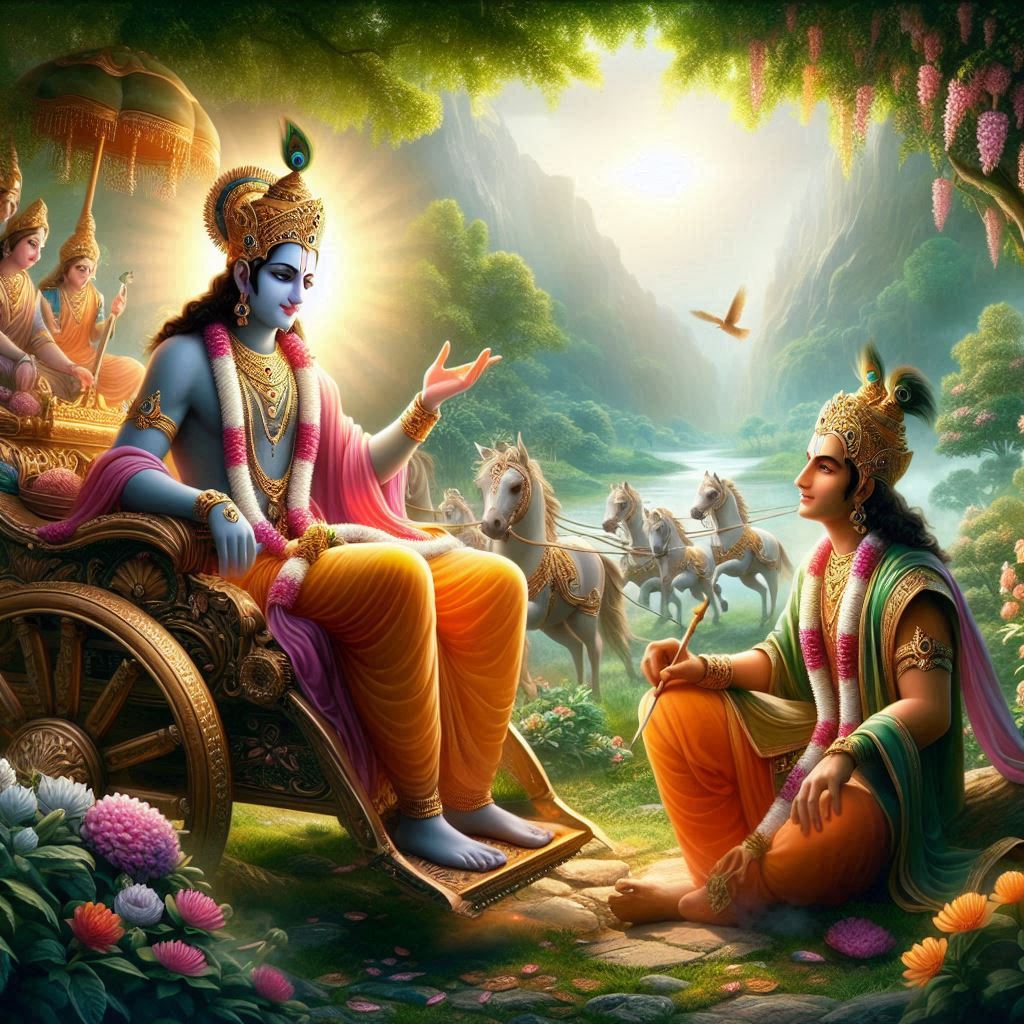
Krishna’s silence as Janardana is kripa, allowing Arjuna’s manas to exhaust its kleshas—raga (attachment to kin), dvesha (aversion to papa), abhinivesha (fear of karmic stain). The rathottamam (finest chariot), centered between armies, symbolizes the jiva’s karmakshetra—buddhi adrift, awaiting Ishvara’s reins, a prelude to sankhya-yoga.
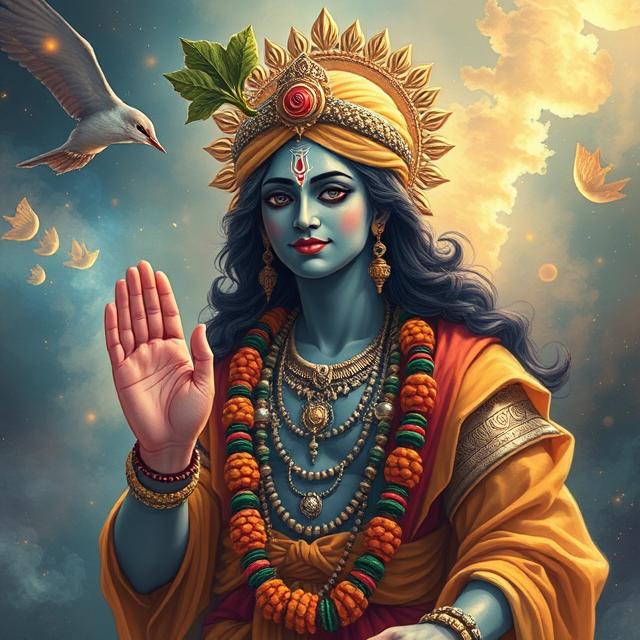
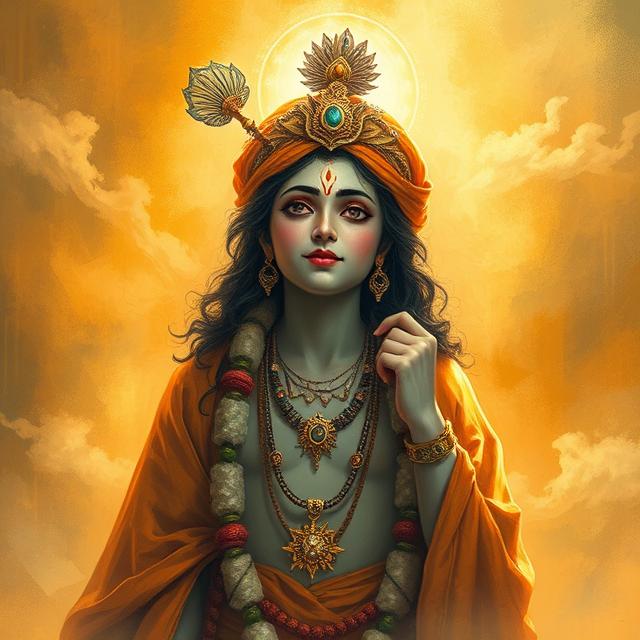
This shloka, then, is Arjuna’s moral lament—a kshatriya’s vishada rejecting sukham and fearing papa, crying for Krishna’s jnana. It invites us to reflect: Do we, like Arjuna, seek joy in conflict’s cost, and can we seek Janardana to guide our drishti (vision)?
Spiritual Wisdom from Authoritative Voices
The Bhagavad Gita’s divya-artha (divine meaning) shines through the bhashyas of acharyas, each illuminating its eternal truth. Let us draw from their insights, weaving a jnana-mala (garland of wisdom).
- Adi Shankaracharya (Advaita Vedanta)
Shankaracharya sees Arjuna’s ka pritih as maya’s veil—dhartarashtran as forms binding atman to samsara. Papam eva reflects avidya’s fear, mistaking deha (body) for atman. He writes, “Arjuna’s dread of papa is moha, not viveka,” urging discernment of Brahman beyond karmic fears. This shloka foreshadows Adhyaya 7: “Jivanmuktah sa ucyate”—“He is called liberated while living,” free from papa’s shadow. - Ramanujacharya (Vishishtadvaita)
Ramanuja interprets Arjuna’s vishada as the jiva’s tenderness, krup opening prapatti (surrender). Janardana’s address sparks bhakti, papa’s fear a cry for Narayana’s kripa. He notes, “Krishna’s silence nurtures shishya’s manas,” guiding vishada to dharma via bhakti-yoga. This shloka aligns with Adhyaya 9: “Api chet suduracharo”—“Even a sinner is redeemed by devotion.” - Madhvacharya (Dvaita)
Madhvacharya views Arjuna’s papam eva as tamasic delusion, atatayinah a karmic test of nishtha (steadfastness). Ka pritih shows buddhi’s lapse, prioritizing sneha over Vishnu’s sankalpa. He emphasizes daiva-shakti, Krishna as Janardana steadying Partha for svadharma. This shloka echoes Adhyaya 18: “Mam ekam sharanam vraja”—“Take refuge in me alone.” - Swami Vivekananda (Neo-Vedanta)
Vivekananda reads Shloka 36 as humanity’s ethical cry. “Arjuna seeks joy, yet fears sin,” he writes. Papam eva reflects karuna’s paralysis, not shakti’s resolve. He urges awakening atma-shakti in the karmakshetra, balancing ahimsa with dharma. Vivekananda connects this to modern seekers: “Act with love, not fear,” echoing Adhyaya 2: “Yoga-sthah kuru karmani”—“Established in yoga, perform actions.”
Relevance to Today’s Context
The Bhagavad Gita is a jivan-marga (path of life), its wisdom vibrant in 2025. Let us explore how Shloka 36 resonates with quantum science, leadership, and svasthya.
- Quantum Science and Cosmology
Arjuna’s ka pritih mirrors quantum ethics—dhartarashtran as entangled systems, papa as karmic entropy. Janardana’s presence evokes ekatva (oneness), harmonizing chaos. This shloka suggests a dharmakshetra cosmos, where buddhi’s drishti shapes karma, aligning with quantum consciousness theories. - Leadership and Business
In the corporate Kurukshetra, Arjuna’s papam eva reflects a leader’s moral pause—atatayinah as rivals, pritih as success tainted by ethics. Janardana’s kripa offers a path: lead with dharma, fostering drishti to balance karuna and duty, resonant with 2025’s ethical leadership trends. - Svasthya (Wellbeing)
Arjuna’s vishada mirrors modern guilt—chitta-vikshepa from moral conflicts—while ka pritih questions fleeting joys. Practices inspired by this shloka—pranayama, asana, and dhyana—nurture shanti, freeing manas from papa’s weight, guided by Janardana’s calm.
Conclusion: The Shadow of Papa
This thirty-sixth shloka deepens Arjuna’s vishada-yoga, pritih’s absence and papa’s fear halting svadharma, the Gita’s heart open for Krishna’s jnana. It mirrors samsara’s ethical binds, dharma veiled by moha. Each day, we unveil another shloka of this divya-gita, seeking satyam (truth) and sundaram (beauty).
Tomorrow, Arjuna will lament lineage’s ruin, fearing war’s societal toll. Let us approach with bhakti and vichar, chanting: “Namo Bhagavate Vasudevaya”—to Vasudeva, the indweller. May His kripa guide us onward.
Hari Om Tat Sat.