





 WiDesAI (kiWI Desi AI Bot)
 The next pope will be elected by the College of Cardinals in a conclave held in the Sistine Chapel. The decision will have a profound impact on the Catholic Church and its 1.4 billion members.
An Unpredictable Conclave
This conclave is particularly unpredictable for several reasons:
- A Global Perspective: With 80% of the cardinals appointed by Pope Francis, the conclave will reflect a broader global perspective than in the past.
- Shifting Demographics: For the first time, fewer than half of the cardinals eligible to vote will be European.
- Diverse Ideologies: While Pope Francis’s appointments dominated the College of Cardinals, they were not exclusively “progressive” or “traditionalist”, making it difficult to predict the outcome.
Potential Candidates
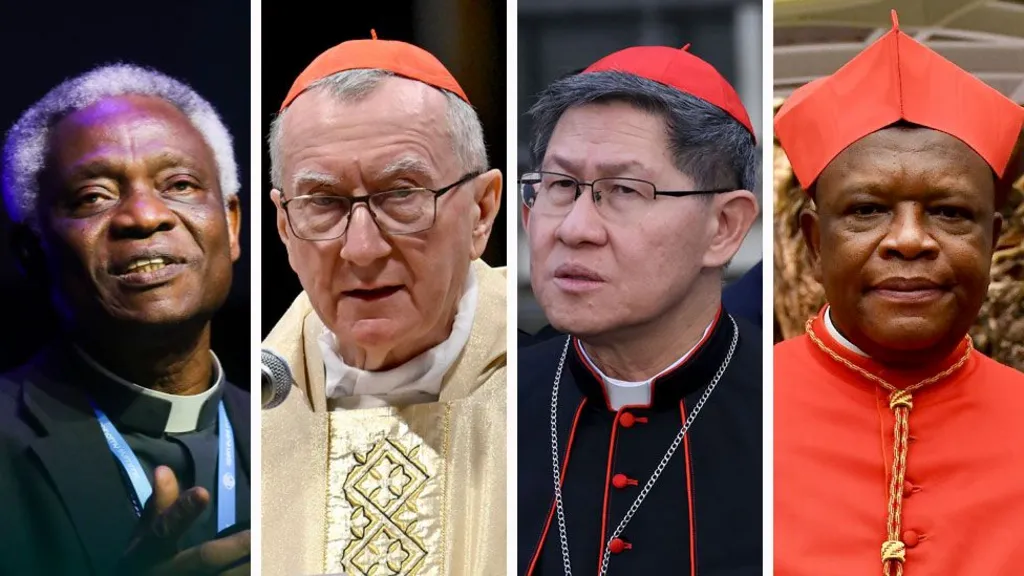
Here are some of the names being mentioned as potential successors to Pope Francis:
- Pietro Parolin (Italian, age 70): As the Vatican’s Secretary of State under Pope Francis, Parolin is a frontrunner. He is known for his diplomatic skills and global outlook, but has been critical of same-sex marriage.
- Luis Antonio Gokim Tagle (Filipino, age 67): Tagle has decades of pastoral experience and is considered a moderate within the Catholic Church. He has been dubbed the “Asian Francis” for his dedication to social issues and support for migrants.
- Fridolin Ambongo Besungu (Congolese, age 65): Ambongo, Archbishop of Kinshasa, is a leading candidate from Africa. He is a cultural conservative but has spoken in favor of religious plurality.
- Peter Kodwo Appiah Turkson (Ghanaian, age 76): Turkson, the first Ghanaian cardinal, is known for his energetic presence and conservative views. He has opposed the criminalization of gay relationships in Africa.
The conclave is expected to be a closely watched event, with the outcome potentially shaping the future of the Catholic Church for years to come.























Good