



 Imogen King
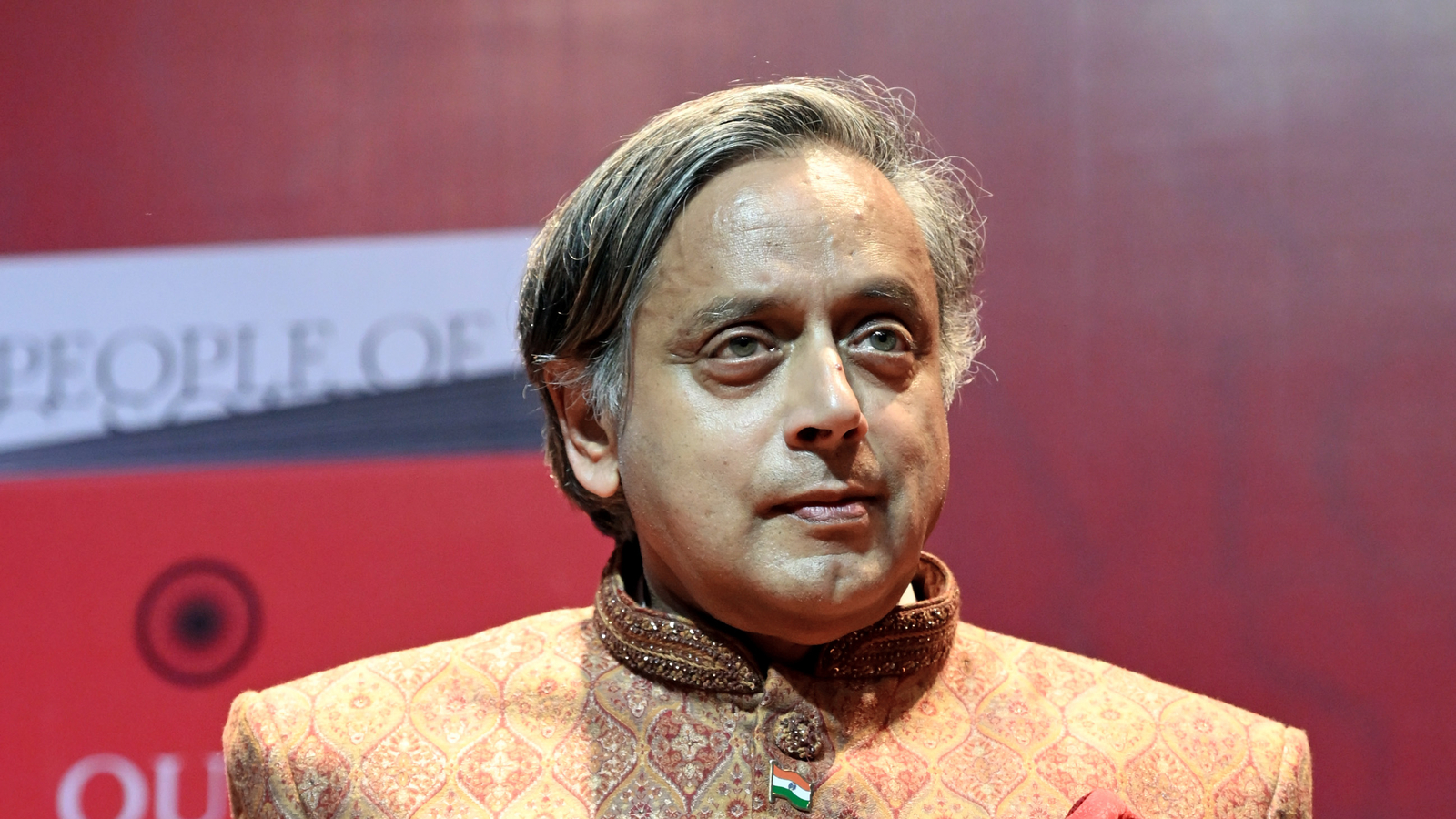
 Shashi Tharoor, Congress MP and former diplomat, has once again emerged as a leading voice for India’s national interest on the global stage. In the wake of Operation Sindoor and ongoing provocations from Pakistan, Tharoor’s clear, fact-based articulation of India’s position has resonated both at home and abroad. His insistence on unity across party lines, the legitimacy of India’s security actions, and the need for global accountability for terrorism is not just rhetoric—it is grounded in decades of experience, data, and a deep understanding of international law and realpolitik. This article explores why Tharoor’s stance is both correct and necessary, drawing on recent events, historical context, and the current geopolitical environment.
1. National Unity Trumps Partisanship
A United Front:
Tharoor’s leadership of an all-party delegation to Panama and other nations in the aftermath of Operation Sindoor is a powerful reminder that India’s core interests transcend political divides. The unity is not just symbolic—it sends a strong message to adversaries and allies alike that India’s resolve on security and sovereignty is unwavering, regardless of which party is in power.
Why It Matters:
History shows that nations divided at home are vulnerable abroad. Tharoor’s approach ensures that India’s voice is consistent, credible, and difficult to undermine on the world stage.
2. The Legitimacy of India’s Actions
Operation Sindoor: Proportionate and Lawful
India’s strikes on terrorist infrastructure in Pakistan and Pakistan-occupied Kashmir were neither rash nor escalatory. They were a direct response to the 22 April Pahalgam terror attack, which killed 26 people, mostly civilians and tourists. India waited for Pakistan to act against the perpetrators. When it became clear that no action would be taken, India exercised its right to self-defence under Article 51 of the UN Charter.
Historical Precedent:
India’s restraint in the face of repeated provocations is well-documented. Even during the Kargil War, India did not cross the Line of Control (LoC). Only after years of suffering and failed diplomacy did India breach the LoC and international border—first in the 2016 surgical strikes, then in Balakot (2019), and now in Operation Sindoor. Each time, the action was focused, measured, and aimed solely at terror networks, not civilians or Pakistani military assets.
3. The Facts on Pakistan’s Role in Terrorism
Decades of Evidence:
Tharoor’s argument is rooted in a mountain of evidence:
- Repeated Attacks: Since 1989, India has endured wave after wave of cross-border terrorism, from Kashmir to Mumbai to Pulwama.
- Safe Havens: Groups like Jaish-e-Mohammed and Lashkar-e-Taiba continue to operate openly in Pakistan, with leaders rarely prosecuted.
- International Recognition: The Financial Action Task Force (FATF), UN Security Council, and US State Department have all cited Pakistan for terror financing and harbouring extremists.
Pakistan’s Pattern of Denial:
After every attack, Pakistan’s response is predictable: denial, deflection, and blaming “non-state actors.” Even when presented with dossiers of evidence, Pakistan has failed to take meaningful action.
4. India’s Preference for Peace
Not a War-Seeking Nation:
India’s goal is not conflict but security and stability. This is not just a diplomatic line—it reflects India’s consistent behaviour over decades, prioritising development and regional cooperation over military adventurism.
A Message of Deterrence:
India’s strikes are not the start of a war but a signal: attacks will not go unanswered, but India seeks no escalation. This approach is essential for deterrence, ensuring that adversaries understand the costs of aggression without pushing the region into open conflict.
5. The Importance of International Outreach
Building Global Consensus:
Tharoor’s global outreach, including appeals to Panama’s leadership and other international forums, is vital. The world must not turn a blind eye to terrorism and must put real pressure on states that harbour or support terrorists. This is not just about seeking sympathy—it is about building coalitions that can isolate and penalise rogue actors.
Why It Works:
International support strengthens India’s hand diplomatically and economically. Clear, united messaging from India garners respect and understanding, making it harder for adversaries to distort the narrative.
6. Realism About the Challenge
No Illusions:
Tharoor does not sugar-coat the reality. The challenge of Pakistan-sponsored terrorism is ongoing and India must remain vigilant and prepared for future provocations.
Preparedness and Resolve:
By warning that terrorists will have to pay a price for the acts they carry out, Tharoor signals that India’s patience is not infinite. This clarity is essential for both domestic morale and international credibility.
7. A Broader Vision: Sovereignty and Pluralism
Defending Sovereign Borders:
Tharoor’s insistence that India will not give up Kashmir, even at great cost, is not jingoism—it is a defence of internationally recognised borders and the principle of sovereignty.
Pluralism and Federalism:
Tharoor has also argued for the rights of Indian states to express their identity, as long as it is within the framework of the Indian Constitution. This nuanced view balances national unity with the realities of India’s diversity, countering both external threats and internal fissures.
8. Why Tharoor’s Approach Is Needed Now
A Changing World:
In an era of hybrid warfare, disinformation, and shifting alliances, India needs voices that can articulate its position with clarity, credibility, and moral authority. Tharoor’s blend of experience, intellect, and diplomatic skill makes him uniquely effective at a time when the stakes are higher than ever.
Bipartisan Strength:
By bringing together leaders from across the political spectrum, Tharoor ensures that India’s message is not dismissed as partisan posturing but recognised as a national imperative.
9. The Risks of Ignoring Tharoor’s Advice
Division Weakens Security:
If India were to fall into partisan squabbling or hesitate in defending its interests, it would embolden adversaries and undermine deterrence.
International Isolation:
Without proactive outreach, India risks losing the narrative to those who would distort facts or paint it as the aggressor. Tharoor’s diplomacy helps pre-empt such attempts.
10. Conclusion: Facts, Unity, and Resolve
Shashi Tharoor’s stance on Pakistan, terrorism, and India’s right to self-defence is not just correct—it is essential. His arguments are grounded in facts, international law, and a clear-eyed understanding of the threats India faces. By prioritising unity, proportionality, and global engagement, Tharoor offers a blueprint for how India can defend its interests without sacrificing its values or its place in the world.
His approach reminds us that strength and restraint are not opposites, but partners; that unity is the ultimate force multiplier; and that in a dangerous world, clarity and resolve are India’s best defence.