


 Col. (retd.) Dinesh Ramaswamy
 As tensions along India’s western border remain a persistent reality, civil defence preparedness has become a national priority. In 2025, the Ministry of Home Affairs initiated a comprehensive civil defence mock drill, codenamed “Operation Shield,” aimed at bolstering emergency response capabilities in states bordering Pakistan. This large-scale exercise, planned for May 29, was intended to test the readiness of local administrations, civil defence volunteers, and the general public to respond to scenarios such as air raids, drone strikes, and missile attacks. Although the drill was postponed in several states due to administrative reasons, its conception, objectives, and the context in which it was planned offer a revealing look into India’s evolving approach to civil defence on its sensitive western front.
Background: The Strategic Imperative
India’s western border, stretching from Jammu and Kashmir through Punjab, Haryana, Rajasthan, and Gujarat, has historically been a flashpoint for military and terrorist threats. The region’s proximity to Pakistan, coupled with recent escalations—such as the April 22 terror attack in Pahalgam that claimed 26 civilian lives and the subsequent Operation Sindoor, India’s retaliatory strikes on terrorist infrastructure—has underscored the need for robust civilian preparedness alongside military readiness.
Civil defence, once a Cold War-era concept, is now being revitalised to address new-age threats, including drone warfare and missile attacks. The Ministry of Home Affairs, through the Directorate General of Fire Services and Home Guards, has taken the lead in orchestrating these exercises, recognising that civilian resilience is as crucial as military might in the modern security landscape.
Operation Shield: Objectives and Scope
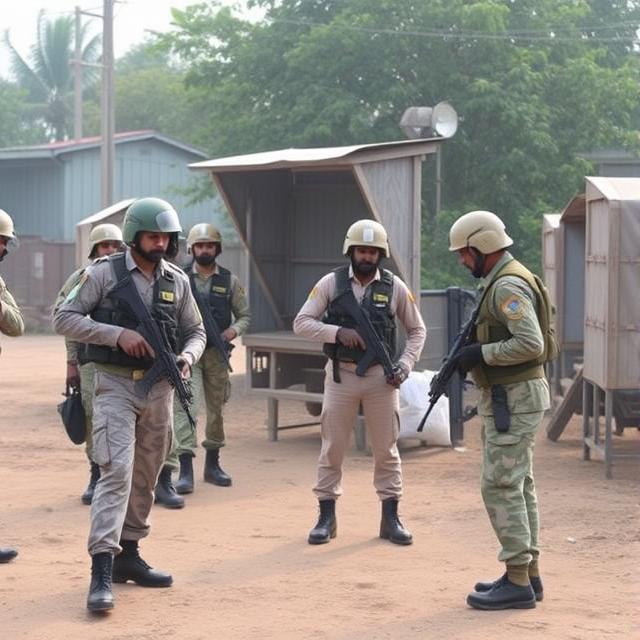
Operation Shield was conceived as a multi-state, synchronised mock drill to simulate a coordinated response to cross-border hostilities. The exercise was to be held in all districts of states and Union Territories adjoining the western border—Jammu and Kashmir, Punjab, Haryana, Rajasthan, Gujarat, and Chandigarh.
Key Objectives
- Test Emergency Response Coordination: Evaluate how efficiently local administration, police, civil defence, and emergency services work together during a crisis.
- Civilian Evacuation Protocols: Practise the safe and orderly evacuation of civilians from high-risk zones, such as areas near military installations or border villages.
- Inter-Agency Communication: Assess the effectiveness of communication channels among various agencies, including the use of air raid sirens, emergency hotlines, and blackout protocols.
- Volunteer Mobilisation: Involve youth organisations such as NCC, NSS, NYKS, and Bharat Scouts & Guides to support and man different services.
- Medical and Logistical Preparedness: Simulate deployment of medical teams, blood unit transport, and mass casualty management.
Planned Drill Activities
The mock drill was designed to be as realistic as possible, incorporating scenarios that reflect the current threat environment.
Simulated Scenarios
- Air Raids and Drone Attacks: Activation of centrally controlled air raid sirens and blackout measures in civilian areas.
- Evacuation Drills: Movement of families from military stations and border villages, including the logistics of transporting vulnerable populations.
- Medical Response: Rapid deployment of medical teams and blood units to simulated casualty zones.
- Silent Recall: General or silent recall of civil defence wardens and volunteers to test their readiness and response time.
- Mass Casualty Management: Drills involving the movement and treatment of civilians affected by mock drone strikes or missile attacks.
- Coordination with Armed Forces: Integration of civil defence operations with Indian Army units and Border Wing Home Guards for a unified response.
Administrative Challenges and Postponement
Despite the meticulous planning, Operation Shield faced last-minute administrative hurdles. Official communications from Gujarat, Haryana, Rajasthan, and Chandigarh cited “administrative reasons” for the postponement, with revised dates to be announced later. In Punjab, the government proposed June 3 for the exercise, as its civil defence staff were engaged in concurrent training with the National Disaster Response Force.
Such postponements highlight the logistical complexity of organising multi-state drills, especially when they involve coordination across several layers of government, emergency services, and volunteer organisations. The need to synchronise with ongoing military and disaster response activities further complicates scheduling.
Lessons from Previous Drills
Operation Shield was not India’s first foray into large-scale civil defence exercises. On May 7, a nationwide drill was conducted just hours before Operation Sindoor. That exercise revealed critical gaps in preparedness, particularly in vulnerable areas along the border. Issues identified included:
- Delayed Volunteer Mobilisation: Some districts struggled to recall and deploy civil defence personnel quickly.
- Communication Breakdowns: Inconsistent use of emergency communication channels and sirens.
- Medical Logistics: Challenges in mobilising blood units and medical supplies to simulated casualty sites.
- Public Awareness: Gaps in public knowledge about emergency protocols, leading to confusion during blackout and evacuation drills.
Following the May 7 exercise, the Ministry invoked emergency powers and arranged funding through the State Disaster Response Force to address these shortcomings. Operation Shield was intended to build on these lessons, with a renewed focus on closing the identified gaps.
The Role of Youth and Community Volunteers
A notable feature of Operation Shield was the active involvement of youth and community volunteers. Organisations such as the National Cadet Corps (NCC), National Service Scheme (NSS), Nehru Yuva Kendra Sangathan (NYKS), and Bharat Scouts & Guides were tasked with supporting civil defence operations. Their roles included:
- Manning emergency shelters and first-aid posts
- Assisting with evacuation and crowd management
- Disseminating information to the public
- Supporting medical teams and logistics
This community-centric approach recognises that resilience in the face of disaster is not just about infrastructure, but also about people—trained, aware, and ready to act.
Simulating Modern Threats: Drones, Missiles, and Cyber Risks
The evolving nature of warfare has made it imperative for civil defence drills to go beyond traditional air raid scenarios. Operation Shield’s planning documents specifically referenced:
- Drone Strikes: Simulated attacks on military and civilian targets, reflecting recent incidents where drones have been used for surveillance and payload delivery.
- Missile Attacks: Practice drills for missile warnings, sheltering protocols, and post-strike casualty management.
- Cyber Threats: Though not a primary focus, the integration of communication systems and blackout protocols implicitly acknowledges the risk of cyber interference during crises.
These scenarios reflect a shift in civil defence thinking—from static, Cold War-era bunkers to dynamic, technology-driven responses.
Public Communication and Safety Protocols
A critical component of any civil defence drill is effective public communication. Authorities issued clear instructions to residents in participating districts:
- Follow Official Updates: Residents were urged to rely only on verified information from government sources.
- Stay Calm: Instructions emphasised the importance of maintaining composure, even if sirens sounded or blackouts were implemented.
- Comply with Directions: Citizens were advised to follow the instructions of police, civil defence officials, and authorised volunteers.
- Prepare Emergency Kits: Households were encouraged to keep basic supplies—water, flashlights, first-aid kits—ready.
Such communication is vital not only for the success of the drill but also for building public trust and resilience in real emergencies.
Inter-Agency Coordination: A Complex Web
Operation Shield was designed to test the seamless integration of multiple agencies:
- Local Administration: District magistrates and collectors coordinated logistics, resource allocation, and public communication.
- Civil Defence Organisations: Mobilised volunteers, managed shelters, and coordinated with emergency services.
- Police and Armed Forces: Provided security, managed crowd control, and integrated with civil defence for joint operations.
- Medical Services: Deployed ambulances, set up triage centres, and ensured rapid blood unit mobilisation.
- Fire Services and Home Guards: Supported rescue operations and managed fire safety during simulated attacks.
The complexity of these operations underscores the importance of regular, realistic drills to ensure all agencies can work together under pressure.
The Broader Context: Civil Defence in Modern India
Operation Shield must be seen as part of a broader effort to modernise India’s civil defence apparatus. As the nature of threats evolves—from conventional warfare to asymmetric and hybrid threats—so too must the country’s preparedness strategies. Key trends include:
- Integration of Technology: Use of digital communication, GIS mapping, and real-time monitoring to coordinate responses.
- Community Engagement: Training citizens and volunteers as first responders.
- Continuous Assessment: Regular drills, audits, and after-action reviews to identify and address gaps.
- Policy Support: Strengthening legal and funding frameworks to support rapid mobilisation and resource allocation.
Looking Ahead: The Road to Resilience
While the postponement of Operation Shield in several states is a setback, it also offers an opportunity for further refinement. The willingness of authorities to adapt, reschedule, and incorporate lessons from previous exercises reflects a maturing approach to civil defence. As new dates are announced and drills are eventually conducted, the focus will remain on:
- Strengthening inter-agency coordination
- Enhancing public awareness and participation
- Adapting to emerging threats, especially drones and cyber risks
- Ensuring rapid, effective medical and logistical response
India’s western border will likely remain a zone of strategic sensitivity for the foreseeable future. Operation Shield and similar exercises are essential steps in ensuring that, should the unthinkable occur, both the state and its citizens are ready to respond—swiftly, effectively, and together.
Conclusion
Civil defence is no longer a relic of the past; it is a vital component of national security in a world of unpredictable threats. Operation Shield, even in its postponed state, is a testament to India’s commitment to preparedness, resilience, and the protection of its people. As the drills are rescheduled and refined, the lessons learned will not only strengthen the western border states but also serve as a blueprint for civil defence across the nation.