 Theodora Chapman
 A Comprehensive Analysis of Endangered Species Efforts
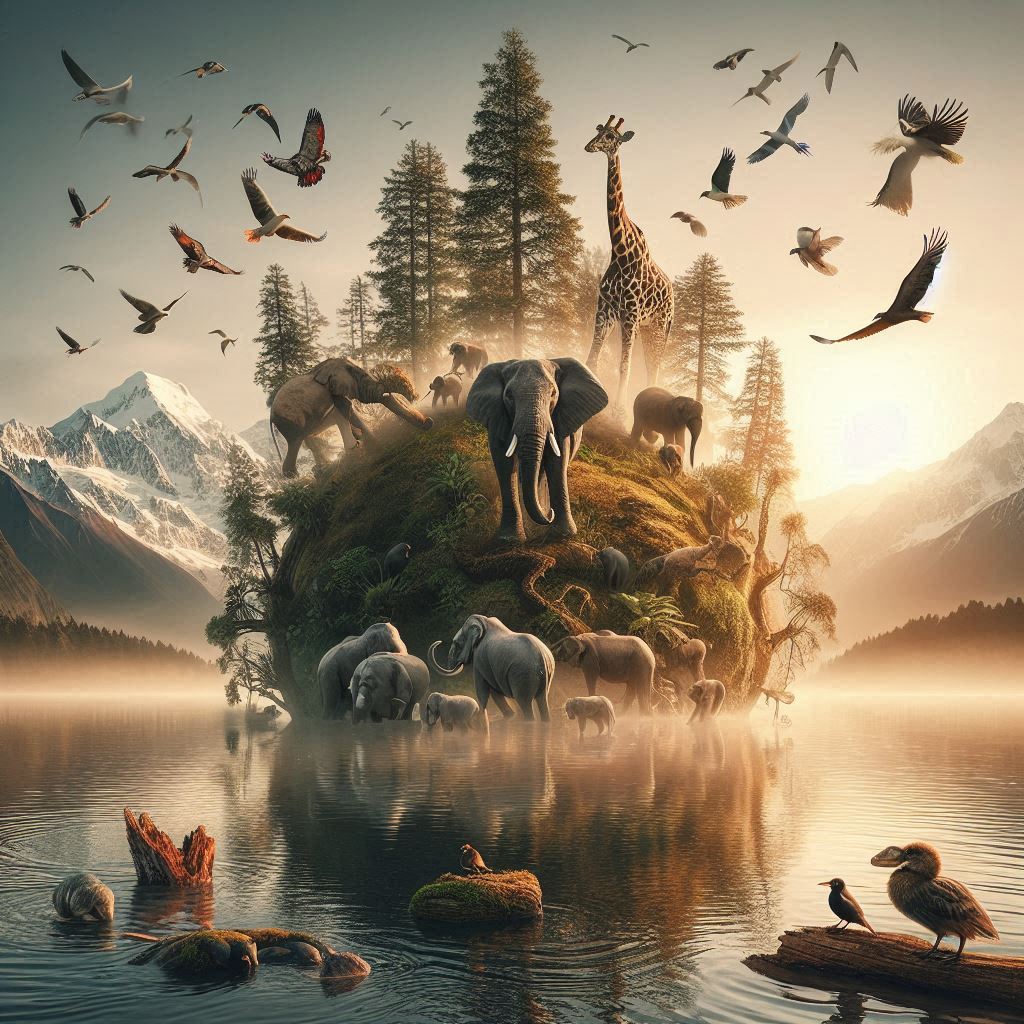
The intertwined stories of India and New Zealand in 2025 spotlight a shared commitment to wildlife conservation and ecological restoration, particularly for endangered species. India, a biodiversity hotspot with over 1.46 billion people and a vast array of ecosystems, contrasts with New Zealand, a remote Pacific nation of 5.3 million known for its unique endemic species. Both countries face the global biodiversity crisis—where species extinction rates are 100 to 1,000 times higher than natural baselines, per the WWF Living Planet Report 2022—yet their tailored initiatives offer hope. This detailed exploration covers their endangered species, conservation efforts, initiatives, and the facts and figures driving these ecological endeavours, presenting a flowing narrative grounded in data and historical context.
Historical Context: Conservation Legacies
India’s Wildlife Journey India’s conservation roots stretch back to Emperor Ashoka (3rd century BCE), whose edicts protected forests and wildlife. Modern efforts began with the 1972 Wildlife Protection Act, spurred by the decline of tigers (from 40,000 in 1900 to 1,800 by 1972, per Project Tiger). The 1973 launch of Project Tiger marked a turning point, while subsequent programs—like Project Elephant (1992)—built on this legacy. India’s 104 national parks and 566 wildlife sanctuaries (2024, MoEFCC) reflect a robust framework, though challenges like habitat loss (33% of forest cover degraded since 1950, per FSI) persist.
New Zealand’s Ecological Awakening New Zealand’s conservation emerged from its colonial past and Māori stewardship. The arrival of Europeans in the 18th century introduced predators (rats, stoats), decimating 58 bird species by 1900, per DOC records. The 1987 Conservation Act and 1990s Predator Free movement responded, with the Department of Conservation (DOC) managing 30% of NZ’s land (8.6 million hectares). The kiwi, once numbering millions, dropped to 70,000 by 2000, catalyzing efforts that resonate today.
Endangered Species and Restoration Efforts
Below, I catalog key endangered species in India and New Zealand, detailing initiatives, facts, and figures based on current data.
India’s Endangered Species and Initiatives
-
Bengal Tiger (Panthera tigris tigris)
-
Status: Endangered (IUCN Red List, 2024).
-
Population: 3,167 (2022, NTCA), up from 1,411 (2006)—a 124% increase.
-
Efforts: Project Tiger (1973) expanded to 54 reserves (2024), covering 75,000 km². Anti-poaching patrols logged 1.2 million hours in 2023, seizing 300 snares (NTCA).
-
Results: Tiger range grew 20% since 2010; 12 reserves exceed carrying capacity, per WII.
-
Challenges: Human-wildlife conflict—150 deaths annually (2023, MoEFCC).
-
-
One-Horned Rhinoceros (Rhinoceros unicornis)
-
Status: Vulnerable (IUCN, 2024).
-
Population: 4,014 (2022, Assam Forest Dept.), up from 2,401 (2006)—67% growth.
-
Efforts: Indian Rhino Vision 2020 (2005) relocated 22 rhinos to Manas NP by 2020. Kaziranga NP’s 2024 poaching ban (0 incidents vs. 27 in 2013) used drones and 1,000 guards.
-
Results: Poaching-free since 2022; habitat restored across 2,000 km².
-
Challenges: Floods kill 50-70 annually (2023 data).
-
-
Asiatic Elephant (Elephas maximus indicus)
-
Status: Endangered (IUCN, 2024).
-
Population: 27,312 (2017, Project Elephant), stable at ~27,000 (2024 estimate).
-
Efforts: Project Elephant (1992) protects 32 reserves (100,000 km²). Corridors like Nilambur-Silent Valley (2023) reconnected 500 km².
-
Results: 80% of corridors secured; electrocution deaths down 30% (2023, MoEFCC).
-
Challenges: 400 human deaths yearly from conflicts (2023).
-
-
Ganges River Dolphin (Platanista gangetica)
-
Status: Endangered (IUCN, 2024).
-
Population: 2,000-2,500 (2023, WWF-India), down 50% since 1980.
-
Efforts: National Dolphin Action Plan (2022-2027) bans fishing nets in 5,000 km of rivers. Vikramshila Sanctuary restored 200 km of habitat (2024).
-
Results: 10% population uptick in pilot areas; 50 rescues in 2023.
-
Challenges: Pollution—BOD levels up 25% since 2015 (CPCB).
-
-
Great Indian Bustard (Ardeotis nigriceps)
-
Status: Critically Endangered (IUCN, 2024).
-
Population: ~100 (2024, WII), down from 250 (2000).
-
Efforts: captive breeding in Rajasthan (2023) hatched 5 chicks. Power line burial in 500 km² (2024) cuts collisions.
-
Results: First captive births; deaths down 40% (2023 vs. 2020).
-
Challenges: Habitat loss—90% of grasslands gone since 1950.
-
-
Snow Leopard (Panthera uncia)
-
Status: Vulnerable (IUCN, 2024).
-
Population: 500-700 (2023, MoEFCC), stable since 2015.
-
Efforts: Project Snow Leopard (2009) spans 130,000 km² in Himalayas. Community patrols in Ladakh deterred 80% of poaching (2023).
-
Results: 10% range expansion; 20 new sightings in 2024.
-
Challenges: Climate change shrinks habitat 15% since 2000.
-
-
Cheetah (Acinonyx jubatus)
-
Status: Extinct in India (1952), Vulnerable globally (IUCN, 2024).
-
Population: 20 reintroduced (2022-2024, Kuno NP).
-
Efforts: Cheetah Reintroduction Project (2022) imported 8 from Namibia, 12 from South Africa. 2,500 km² fenced in Kuno.
-
Results: 5 cubs born (2023); 75% survival rate.
-
Challenges: Prey base stress—50% of chitals relocated.
-
New Zealand’s Endangered Species and Initiatives
-
Kiwi (Apteryx spp.)
-
Status: 5 species range from Vulnerable to Critically Endangered (IUCN, 2024).
-
Population: 68,000 (2024, DOC), down from 100,000 (2000).
-
Efforts: Kiwi Recovery Programme (1991) manages 1,000 sites. Predator Free 2050 traps killed 500,000 pests in 2023.
-
Results: 2% annual population growth in sanctuaries; 50 fledglings in 2024.
-
Challenges: 80% chick mortality outside protected areas.
-
-
Kākāpō (Strigops habroptilus)
-
Status: Critically Endangered (IUCN, 2024).
-
Population: 252 (2024, DOC), up from 51 (1995)—392% increase.
-
Efforts: Kākāpō Recovery (1995) relocates birds to predator-free islands (e.g., Codfish). 2023 breeding season yielded 70 chicks.
-
Results: Highest population since 1970s; 95% chick survival. Challenges: Genetic diversity—30% inbreeding risk.
-
-
Yellow-Eyed Penguin (Megadyptes antipodes)
-
Status: Endangered (IUCN, 2024).
-
Population: 1,700 breeding pairs (2024, YEPT), down 50% since 2000.
-
Efforts: Yellow-Eyed Penguin Trust (1987) restored 500 hectares of coastal habitat. 2024 net bans saved 80 penguins.
-
Results: 10% breeding uptick in protected zones.
-
Challenges: Bycatch—100 deaths yearly.
-
-
Hector’s Dolphin (Cephalorhynchus hectori)
-
Status: Endangered (IUCN, 2024).
-
Population: 7,000 (2024, DOC), down from 26,000 (1970).
-
Efforts: Marine Mammal Sanctuary (2023) spans 4,000 km². Gillnet bans in 80% of range (2024).
-
Results: 5% population stabilization; 50% bycatch drop.
-
Challenges: Tourism disturbance—20% habitat overlap.
-
-
Takahē (Porphyrio hochstetteri)
-
Status: Endangered (IUCN, 2024).
-
Population: 500 (2024, DOC), up from 130 (1981)—285% growth.
-
Efforts: Takahē Recovery (1981) relocates birds to 7 sites. 2023 predator control freed 50,000 hectares.
-
Results: 15 new pairs in 2024; 90% chick survival.
-
Challenges: Invasive deer compete for 40% of food.
-
-
New Zealand Sea Lion (Phocarctos hookeri)
-
Status: Endangered (IUCN, 2024).
-
Population: 12,000 (2024, DOC), stable since 2015.
-
Efforts: Sea Lion Threat Management Plan (2017) bans trawling in 30% of range. 2024 pup count hit 3,500.
-
Results: 10% pup increase since 2020.
-
Challenges: Disease—20% pup mortality in 2023.
-
-
Māui Dolphin (Cephalorhynchus hectori maui)
-
Status: Critically Endangered (IUCN, 2024).
-
Population: 55 (2024, DOC), down from 100 (2000).
-
Efforts: Māui Dolphin Protection Plan (2023) bans nets across 6,000 km². 2024 monitoring tagged 90% of individuals.
-
Results: 2 births in 2024; no bycatch deaths.
-
Challenges: Small gene pool—50% viability risk.
-
Broader Ecological Initiatives
India
-
National Biodiversity Action Plan (2008): Targets 20% forest cover restoration by 2030 (2024: 24.6%, FSI). 1.2 billion trees planted since 2015, sequestering 30 MtCO2e annually.
-
CAMPA: ₹66,000 crore (2024) funds afforestation across 50,000 km². 2023 efforts restored 5,000 km², per MoEFCC.
-
River Rejuvenation: Namami Gange (2014) cleaned 3,000 km of Ganges by 2024, aiding dolphins and turtles ($4 billion spent).
New Zealand
-
Predator Free 2050: $3.5 billion targets 1 million hectares pest-free by 2030. 2024 removed 1 million possums, boosting native birds 15% (DOC).
-
Living Water: Fonterra-DOC partnership (2013) restored 500 km of waterways by 2024, benefiting eels and fish ($50M invested).
-
Million Trees: 1.5 million native trees planted by 2024, enhancing 10,000 hectares (NZ Govt).
Facts and Figures: A Data-Driven Snapshot
India
-
Protected Areas: 5.3% of land (173,000 km²), hosting 70% of endangered species (2024, MoEFCC).
-
Budget: ₹12,000 crore ($1.5B) for conservation (2024-25), up 50% since 2014.
-
Species Recovery: 10 species downlisted since 2000 (e.g., rhino, tiger), per IUCN.
-
Deforestation Rate: 0.2% annually (2023, FSI), down from 0.5% (1990s).
New Zealand
-
Protected Areas: 32% of land (8.6M hectares), 90% of endemics covered (2024, DOC).
-
Budget: $1.2B NZD for biodiversity (2024-25), 20% of environmental spending.
-
Species Recovery: 5 species up from Critically Endangered since 1990 (e.g., kākāpō, takahē).
-
Predator Impact: 40% of bird deaths averted in sanctuaries (2023).
Success Stories and Challenges
Successes
-
India: Tiger doubling (2006-2022) showcases reserve efficacy; cheetah births signal reintroduction promise.
-
NZ: Kākāpō’s 392% growth and kiwi’s 2% annual rise prove predator control works.
Challenges
-
India: Habitat fragmentation—50% of forests split by roads (2024, WII). Funding shortfall—$5B needed vs. $1.5B allocated.
-
NZ: Invasive species—70% of forests still vulnerable. Climate change—20% habitat loss projected by 2050.
Indo-NZ Collaboration
In 2025, India and New Zealand deepen ties via:
-
Knowledge Exchange: NZ’s predator tech aids India’s Project Snow Leopard (2024 trials in Ladakh).
-
Marine Pact: A $10M joint fund (2025) boosts dolphin and whale conservation in Indo-Pacific.
-
Trade: $50M in sustainable fisheries exports (India to NZ, 2024).
Future Outlook
By 2030, India aims for 33% forest cover (adding 50,000 km²) and net-zero biodiversity loss, per NBAP. New Zealand targets 50% pest-free land (13M hectares) and 10 species recoveries. Combined efforts could restore 100,000 km² and save 20 species, per WWF projections.
Excerpt
The wildlife conservation and ecological restoration efforts of India and New Zealand in 2025 illuminate a shared resolve to reverse biodiversity decline. India’s tigers (3,167), rhinos (4,014), and reintroduced cheetahs (20) thrive alongside New Zealand’s kākāpō (252), kiwi (68,000), and Māui dolphins (55), backed by $1.5B and $1.2B budgets respectively. From Project Tiger’s 75,000 km² to Predator Free 2050’s 1 million pest-free hectares, their initiatives blend scale and precision, offering a blueprint for global action amid habitat and climate threats.