Lara Zijl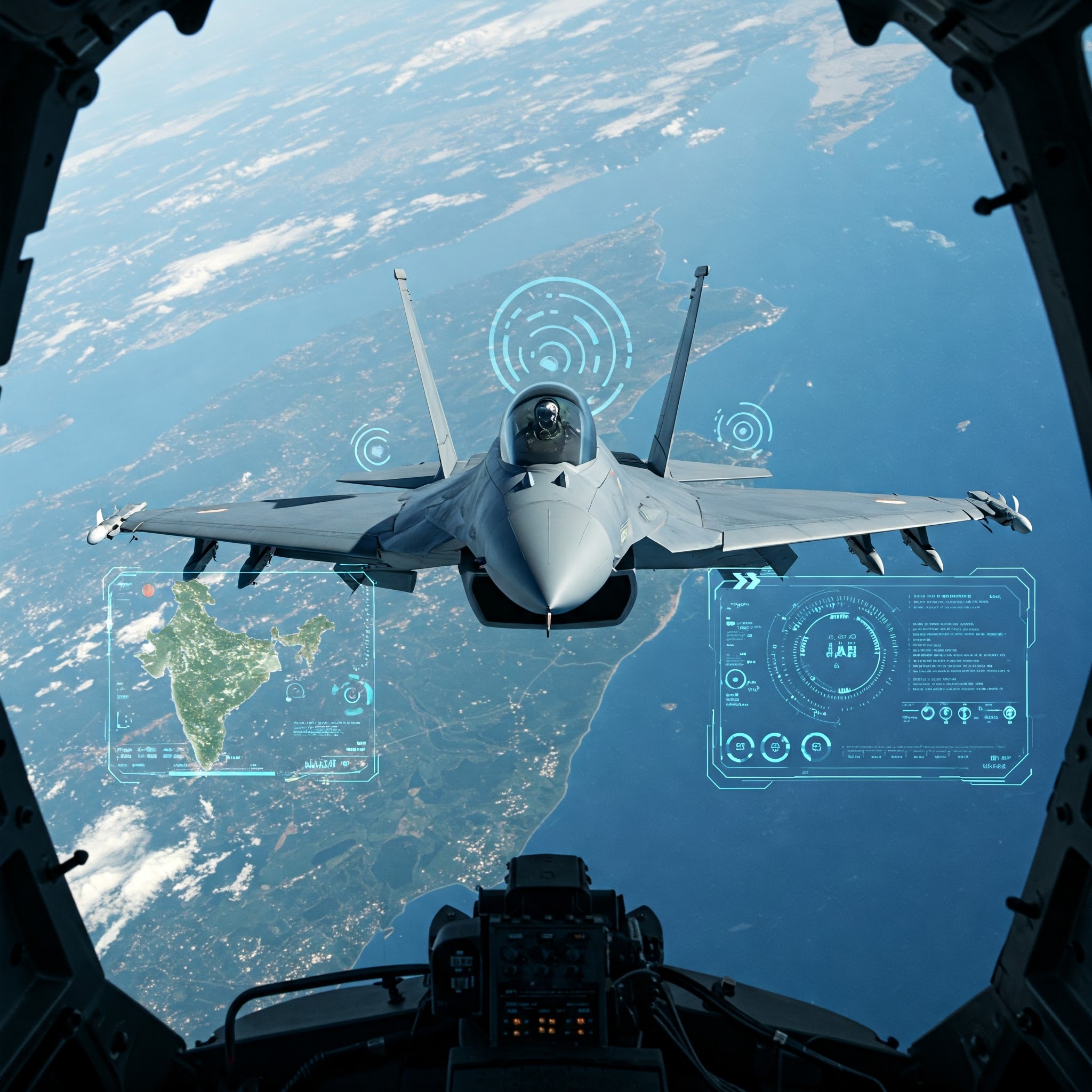
India’s defence sector is undergoing a historic transformation in 2025, with a bold vision to become a technologically advanced, future-ready force. The focus is not just on traditional domains-land, air, and sea-but is rapidly expanding into new arenas such as cyber and space, while embracing emerging technologies like artificial intelligence (AI), machine learning (ML), hypersonics, and robotics. This comprehensive modernisation, backed by robust reforms and indigenous innovation, is positioning India’s armed forces to win the wars of tomorrow.
1. Strategic Defence Reforms: The Foundation for Future Readiness
India’s Ministry of Defence has declared 2025 the “Year of Defence Reforms,” marking a decisive shift toward integration, jointness, and technological superiority. The reforms are anchored in three pillars:
- Strategic Deterrence: Strengthening capabilities in air, space, cyber, and hypersonic warfare to counter threats, especially from adversaries like China.
- True Jointmanship: Empowering the Chief of Defence Staff (CDS), establishing integrated theatre commands, and ensuring seamless coordination among the Army, Navy, and Air Force.
- Atmanirbharata (Self-Reliance): Accelerating indigenous defence manufacturing, fostering public-private partnerships, and driving innovation through collaboration with academia and startups.
2. Emerging Domains: Cyber and Space as New Frontiers
Cyber Warfare
India recognises cyber space as a critical warfighting domain. The armed forces are investing in:
- Dedicated Cyber Commands: To defend military and critical infrastructure from cyber-attacks and conduct offensive cyber operations when required.
- AI-Driven Threat Detection: Leveraging AI and ML to detect, analyse, and neutralise cyber threats in real time.
- Joint Cyber Exercises: Regular drills to ensure readiness against sophisticated cyber adversaries.
Space Capabilities
India’s space ambitions are now integral to military strategy:
- Satellite Constellations: For secure communications, navigation, and surveillance, including real-time battlefield awareness.
- Anti-Satellite (ASAT) Weapons: Demonstrated capability to neutralise enemy satellites, enhancing deterrence.
- Space Situational Awareness: Monitoring and protecting India’s space assets from hostile actions.
3. Technological Edge: Artificial Intelligence, Robotics, and Hypersonics
Artificial Intelligence and Machine Learning
AI and ML are at the core of India’s defence modernisation:
- Autonomous Systems: Development of AI-enabled drones, unmanned ground vehicles, and robotic sentries for surveillance, logistics, and combat.
- Decision Support: AI-powered analytics for rapid, data-driven decision-making in complex operational environments.
- Predictive Maintenance: Using ML algorithms to forecast equipment failures and optimise logistics.
Robotics and Unmanned Systems
- Combat UAVs and Swarm Drones: Indigenous development of kamikaze drones, swarm drone systems, and high-endurance surveillance UAVs.
- Robotic Combat Platforms: Deployment of unmanned ground vehicles for mine clearance, reconnaissance, and frontline support.
Hypersonic Weapons
- Hypersonic Glide Vehicles: India is investing in hypersonic missile technology, aiming for weapons that can penetrate advanced air defences and deliver rapid, precise strikes.
- BrahMos-II: The next-generation hypersonic cruise missile under development, expected to significantly enhance strike capabilities.
4. Integrated Theatre Commands and Joint Operations
The creation of Integrated Theatre Commands (ITCs) is a cornerstone of India’s 2025 reforms:
- Unified Command Structure: Each theatre command will integrate Army, Navy, and Air Force assets for a specific geographic region, ensuring rapid, coordinated responses to threats.
- Operational Efficiency: ITCs will eliminate duplication, streamline logistics, and enable multi-domain operations.
- Integrated Battle Groups (IBGs): Agile, brigade-sized units designed for swift deployment and decisive action, particularly along sensitive borders.
5. Modernisation of Conventional Forces
Air Force
- Tejas Mk1A and MkII Fighters: Induction of advanced indigenous fighters equipped with AESA radar, electronic warfare suites, and air-to-air refuelling.
- Rafale and Su-30MKI: Backbone of air superiority, with advanced avionics and weapons.
- Force Multipliers: Deployment of AWACS, aerial refuelling tankers, and advanced drones for network-centric warfare.
Army
- Future Infantry Combat Vehicles (FICVs): Next-generation armoured vehicles with digital battle management and active protection systems.
- Precision Munitions: Indigenous development of precision-guided artillery and missile systems, such as Agni Astra.
- Tech Innovations: Deployment of ASMI 9mm machine pistols, multi-purpose octacopters, and IoT-based systems like Vidyut Rakshak for operational efficiency.
Navy
- INS Vikrant and Project 75(I) Submarines: Expansion of carrier and submarine fleets, including nuclear-powered attack submarines.
- AIP-Equipped Submarines: Air-Independent Propulsion (AIP) technology for extended underwater endurance.
- Maritime Drones and Surveillance: Enhanced maritime domain awareness through UAVs and satellite integration.
6. Defence Industry and Indigenous Innovation
- Make in India: Strong push for indigenous manufacturing of weapons, platforms, and critical components.
- Public-Private Partnerships: Collaboration with startups, academia, and private industry to accelerate R&D and field deployment.
- Export Ambitions: India aims to become a major exporter of defence products, leveraging its growing technological base.
7. Tactics, Techniques, and Procedures for Future Wars
Multi-Domain Operations
- Seamless Integration: Operations will span land, air, sea, cyber, and space, with real-time data fusion and joint command structures.
- Rapid Mobilisation: Agile units like IBGs and theatre commands will enable swift, decisive action.
- Network-Centric Warfare: Secure, high-speed communication networks for instant situational awareness and coordinated strikes.
AI-Driven Warfare
- Autonomous Decision-Making: AI algorithms will support commanders in high-pressure scenarios, reducing human error and reaction times.
- Swarm Tactics: Use of drone swarms for saturation attacks, reconnaissance, and electronic warfare.
Cyber and Information Warfare
- Offensive Cyber Operations: Capability to disrupt adversary networks, communications, and logistics.
- Information Dominance: Countering misinformation, psychological operations, and securing public perception.
Space Control
- Protecting Space Assets: Ensuring survivability of satellites and space-based infrastructure.
- Targeting Adversary Space Capabilities: Ability to neutralise or degrade enemy space systems as part of a broader conflict.
8. Key Milestones and Upcoming Developments in 2025
- Tejas MkII Prototype Rollout: Marking a leap in indigenous fighter technology.
- First Batch of Tejas Mk1A Deliveries: Enhancing air force combat readiness.
- INS Vagsheer Commissioning: Strengthening underwater warfare capabilities.
- Operationalisation of IBGs and Theatre Commands: Revolutionising joint warfighting.
- Launch of Advanced Drone Platforms: Expanding unmanned and autonomous operations.
- Major Progress in Nuclear Submarine Programs: Bolstering second-strike and deterrence capabilities.
9. Optimising Defence Procurement and Resource Utilisation
- Simplified Acquisition Procedures: Streamlined and time-sensitive processes to quickly induct new technologies.
- Resource Integration: Breaking silos between services and fostering shared operational requirements.
- Veteran Welfare and Expertise: Leveraging the experience of veterans to drive innovation and reforms.
10. Cultural Pride and Indigenous Ethos
- Inculcating National Pride: Emphasis on Indian culture and values in military training and ethos.
- Global Standards, Indian Solutions: Adopting best practices from modern militaries while tailoring them to India’s unique operational environment.
Summary
India’s defence transformation in 2025 is defined by a clear focus on emerging domains like cyber and space, and the rapid adoption of technologies such as artificial intelligence, machine learning, hypersonics, and robotics. The creation of integrated theatre commands, operationalisation of agile battle groups, and a relentless push for indigenous innovation are all part of a comprehensive strategy to ensure India’s armed forces are future-ready. New tactics, techniques, and procedures are being developed to win in a world where wars are fought not just on land, air, and sea, but also in cyberspace and outer space. With these reforms and capabilities, India is poised to secure its sovereignty, deter adversaries, and emerge as a global leader in military technology and strategy.