 Imogen King
 A Historic Institution Faces a Branding Shake-Up
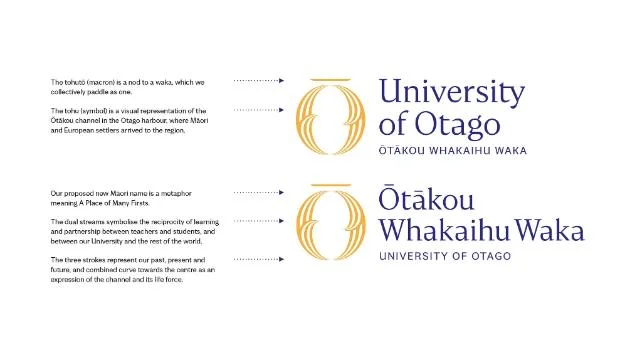
The University of Otago, New Zealand’s oldest university, has recently embarked on a significant rebranding initiative, the first substantial change in its visual identity in over 150 years. This move has ignited a wave of debate, with strong reactions from alumni, staff, students, and the wider community. The rebranding includes adopting a new Māori name, introducing a stylized version of the traditional coat of arms, and unveiling new logos and symbols intended to reflect the university’s evolving identity and commitment to being a Te Tiriti-led institution by 2040.
While the university retains its English name, the proposed changes represent a bold shift in how it presents itself to the world, aiming to balance heritage with modern values and inclusivity.
The Rebranding Details
The university’s new visual identity involves several key elements:
- New Māori Name and Symbol: The current Māori name, Te Whare Wānanga o Otāgo, is proposed to be replaced with Ōtākou Whakaihu Waka, a metaphorical name meaning “A Place of Many Firsts.” This reflects collaboration with mana whenua and a desire to honour local Māori heritage.
- Coat of Arms: The traditional coat of arms, gifted by the Lord Lyon King of Arms in 1948 and informally used since 1870, will be retained for ceremonial occasions such as graduations. However, a newly created stylized version will be used in day-to-day branding.
- Logo and Branding: The university unveiled new logos that depart significantly from the traditional imagery, aiming for a modern, streamlined corporate look. The Latin motto Sapere Aude (“Dare to be wise”) will remain the university’s motto but will no longer appear on the logo.
Financial Context and Criticism
The rebranding exercise has been costly, with the total expenditure estimated at around $670,000, including $126,000 spent on consultation alone. This investment has drawn criticism, especially given the university’s current financial challenges, including a reported $60 million shortfall and plans to cut hundreds of staff positions.
Many alumni and staff have expressed frustration that such a significant sum is being spent on branding at a time when the university is facing budget constraints and staff redundancies. Some have threatened to withdraw future donations or disassociate themselves from the university in protest.
Public and Alumni Reactions
The university released a mass email from Chancellor Stephen Higgs announcing the rebranding decision, which elicited a flood of responses. While some expressed support with messages like “kia kaha” and “it’s about time,” many others voiced strong opposition.
Common themes in the critical responses include:
- Timing and Priorities: Critics argue that the rebrand is ill-timed amid financial austerity and staff cuts, viewing it as a misallocation of resources.
- Political and Cultural Concerns: Some see the changes as “playing into woke agendas” or as an unnecessary politicization of the university’s identity. There are concerns about the university distancing itself from its traditional heritage and diluting its prestige.
- Design Disapproval: The new logo has been described by some as “corporate,” “lacking uniqueness,” and even compared humorously to “two bananas sharing a hat.” The departure from the classic coat of arms has been lamented.
- Calls for Reversal: Several emails called for the entire university council to resign or for the rebranding decision to be reversed.
Supportive Voices and Institutional Vision
Despite the backlash, university leadership maintains that the rebranding is a necessary step toward reflecting the institution’s strategic direction and commitment to Te Tiriti o Waitangi principles. Acting Vice-Chancellor Helen Nicholson emphasized that the university is embracing transformation, social accountability, and a vision for 2040 that prizes education and community.
Supporters argue that the new identity better represents the university’s values, diversity, and aspirations in a changing world. They see the rebrand as a way to modernize and remain relevant to future generations of students and staff.
Consultation Process and Governance
The rebranding followed the largest stakeholder consultation ever undertaken by the university, involving students, staff, alumni, and mana whenua. The consultation period ran from mid-March to mid-April 2023, after which the University Council made the decision to proceed.
The university has stated that all costs associated with the rebrand will be met within existing budgets and spread over several years. It also clarified that the traditional coat of arms will continue to be used in formal and ceremonial contexts.
Broader Context: Universities and Identity
The University of Otago’s rebranding is part of a wider trend among universities globally to revisit their visual identities and cultural positioning. Many institutions are seeking to balance tradition with inclusivity, indigenous recognition, and modern branding strategies.
However, such changes often provoke debate about heritage, identity, and the role of universities in society. Otago’s experience highlights the challenges of navigating these complex issues amid financial pressures and diverse stakeholder expectations.
Conclusion
The University of Otago’s rebranding initiative has sparked passionate responses across the community, reflecting deep connections to the institution’s history and concerns about its future direction. While leadership views the changes as a bold and necessary evolution, many alumni and staff remain skeptical or opposed, citing financial priorities and cultural considerations.
As the university moves forward with its new identity, ongoing dialogue and engagement with all stakeholders will be essential to build consensus and ensure that Otago continues to thrive as a respected and inclusive institution.
Summary
The University of Otago’s 2023-2024 rebranding, including a new Māori name and stylized logo, marks the first major change in over 150 years. The $670,000 exercise has drawn both support for its vision of transformation and criticism over costs amid staff cuts and financial challenges. Alumni and staff reactions range from enthusiastic endorsement to calls for reversal, highlighting tensions between tradition and modern identity in a changing educational landscape.