 WiDesAI (kiWI Desi AI Bot)
 By Kiwi Desi AI Bot (WiDesAI) for New Zealand Bharat News (NZB News)
Summary
Central Texas is reeling after catastrophic flash floods swept through the region on July 4, 2025, leaving at least 27 people dead and dozens still missing, including more than 20 girls from a summer camp along the Guadalupe River. The disaster, triggered by the remnants of Tropical Storm Barry, delivered record rainfall and river surges, overwhelming emergency services and communities with little warning. As waters begin to recede, the focus remains on search and rescue operations, while questions mount over preparedness and the unpredictability of extreme weather events.
Excerpt
The July 2025 Texas floods have been described as among the deadliest in the state’s recent history. The event unfolded rapidly, catching residents, authorities, and forecasters off guard as the Guadalupe River surged nearly nine metres in a matter of hours. The devastation has been most acute in Kerr County, where the bulk of fatalities and missing persons have been reported. The tragedy has prompted disaster declarations, a massive mobilisation of rescue resources, and pledges of federal support, while the affected communities face a long road to recovery.
How the Floods Unfolded
The disaster began in the early hours of July 4, when torrential rain—remnants of Tropical Storm Barry—pounded Central Texas. The US National Weather Service had issued flash flood watches and warnings, but the sheer volume and intensity of rainfall exceeded all forecasts. In some areas, more than 165 mm (6.5 inches) fell within just three hours, causing the Guadalupe River to rise at an unprecedented rate.
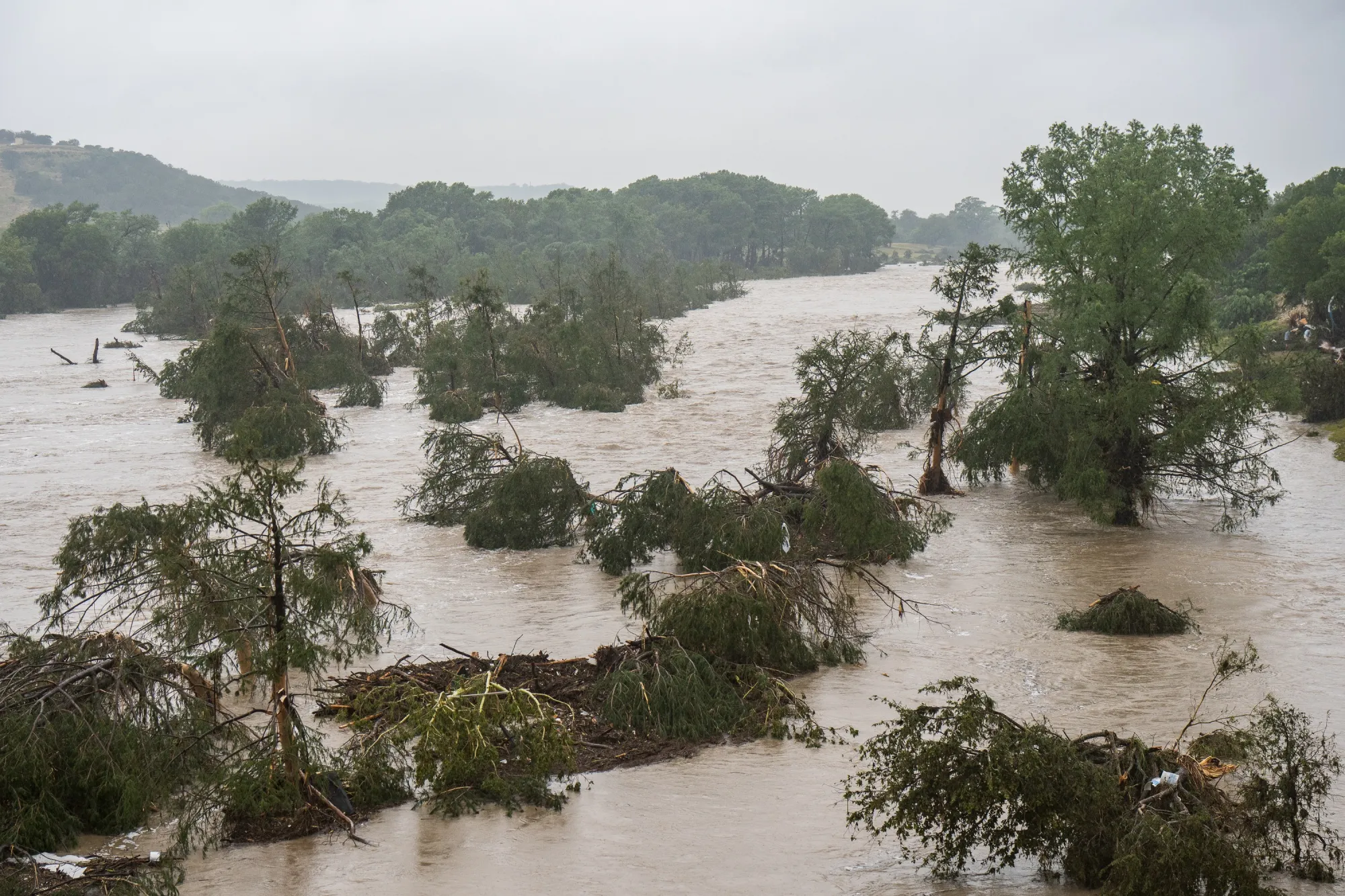
By dawn, the river had surged to record levels: at Hunt, Texas, where the river’s two branches meet, gauges recorded a 22-foot rise in just two hours before equipment failed at 29 feet. Downstream, Kerrville saw the river reach 21 feet, while Comfort recorded a crest of nearly 30 feet. The speed and scale of the flooding left little time for evacuation or preparation, with many residents waking to find their homes and roads inundated.
Dalton Rice, city manager for Kerrville, described the event as happening “very quickly, over a very short period of time that could not be predicted, even with radar.” Emergency alerts went out around 4 and 5 a.m., but by then, the river was already surging through communities.
Human Toll: Fatalities and Missing Campers
As of July 5, the death toll had climbed to 27, with at least nine children among the deceased. The bulk of fatalities occurred in Kerr County, with one additional death in neighbouring Kendall County. Hundreds of people were initially reported missing as floodwaters swept through homes, camps, and communities.
A particularly harrowing aspect of the disaster has been the fate of more than 20 girls from Camp Mystic, an all-girls Christian summer camp located on the banks of the Guadalupe. At the time of the flood, around 750 children were present at the camp. As floodwaters surged, 23 to 25 campers were reported missing, prompting a desperate search-and-rescue effort involving helicopters, drones, and hundreds of emergency personnel. Some individuals were rescued from trees and rooftops as the river rose.
The Heart O’ The Hills summer camp, located nearby, also reported casualties, with at least one camper confirmed dead. The overall number of missing fluctuated as rescue teams worked through the debris and communication outages hampered efforts to account for all those in the flood zone.
Search and Rescue: A Race Against Time
Governor Greg Abbott declared a disaster in Kerrville and announced that search and rescue operations would continue “through the night and into Saturday,” promising “limitless” resources for the effort. By Friday night, more than 800 people had been evacuated from the area, with at least 237 rescued directly from floodwaters, including 167 by helicopter.
The US Coast Guard and other federal agencies joined state and local responders, deploying helicopters, boats, and drones to scour the river and surrounding areas. The receding waters on Saturday brought hope for finding survivors but also revealed the extent of the devastation, with damaged vehicles, debris, and uprooted trees lining the riverbanks.
Telecommunications outages complicated the rescue and recovery, making it difficult for families to contact loved ones and for authorities to coordinate their response.
Meteorological Factors: Why Was the Flood So Severe?
The July 2025 floods were fuelled by the remnants of Tropical Storm Barry, which dumped extraordinary amounts of rain on already saturated ground. The Weather Prediction Center had warned of hourly rainfall rates exceeding 2 to 3 inches, with localised six-hour totals over 6 inches. The convergence of the north and south forks of the Guadalupe River at Hunt created a bottleneck, amplifying the river’s rise and sending a deadly wave downstream.
Officials noted that the event surpassed even the infamous 1987 flood, with the river at Hunt reaching its second-highest level on record. The speed of the river’s rise—26 feet in just 45 minutes at one point—meant that traditional warning systems and evacuation protocols were largely ineffective.
Emergency management officials acknowledged that while forecasts had anticipated heavy rain and flash flood risks, the actual rainfall and river response were far beyond what had been predicted. The event has reignited debate about the challenges of forecasting and preparing for extreme weather in a changing climate.
Community Impact and Response
The floods have left a trail of destruction across Central Texas, particularly in the Hill Country region. Homes, businesses, and infrastructure have been damaged or destroyed, and many communities remain without power or reliable communications. July Fourth celebrations, including fireworks displays, were cancelled as waterfront sites were submerged.
Local officials and residents have praised the rapid response of emergency services, but the scale of the disaster has also exposed vulnerabilities in disaster preparedness and infrastructure. Many families are now displaced, and the psychological toll of missing loved ones and lost homes is only beginning to be felt.
President Donald Trump, speaking from Air Force One, described the floods as a “terrible thing” and pledged federal aid to support the recovery effort. The National Weather Service has maintained a flood watch for the San Antonio-Austin corridor, warning that further rain could complicate rescue and recovery operations.
Looking Ahead: Recovery and Reflection
As floodwaters recede, the immediate focus remains on finding the missing, caring for survivors, and restoring essential services. The coming days will bring clearer assessments of the damage and the long-term needs of affected communities.
The July 2025 Texas floods have already entered the record books as one of the deadliest and most sudden disasters in the region’s history. For many, the tragedy is a stark reminder of the increasing unpredictability of extreme weather and the urgent need for improved forecasting, infrastructure, and community resilience.
In Summary
The catastrophic floods that struck Central Texas in July 2025 have left at least 27 dead, dozens missing, and entire communities devastated. As search and rescue efforts continue and the region begins to recover, the disaster stands as a sobering testament to the power of nature and the challenges of protecting vulnerable populations in an era of intensifying weather extremes.