

 Dorothy Brown
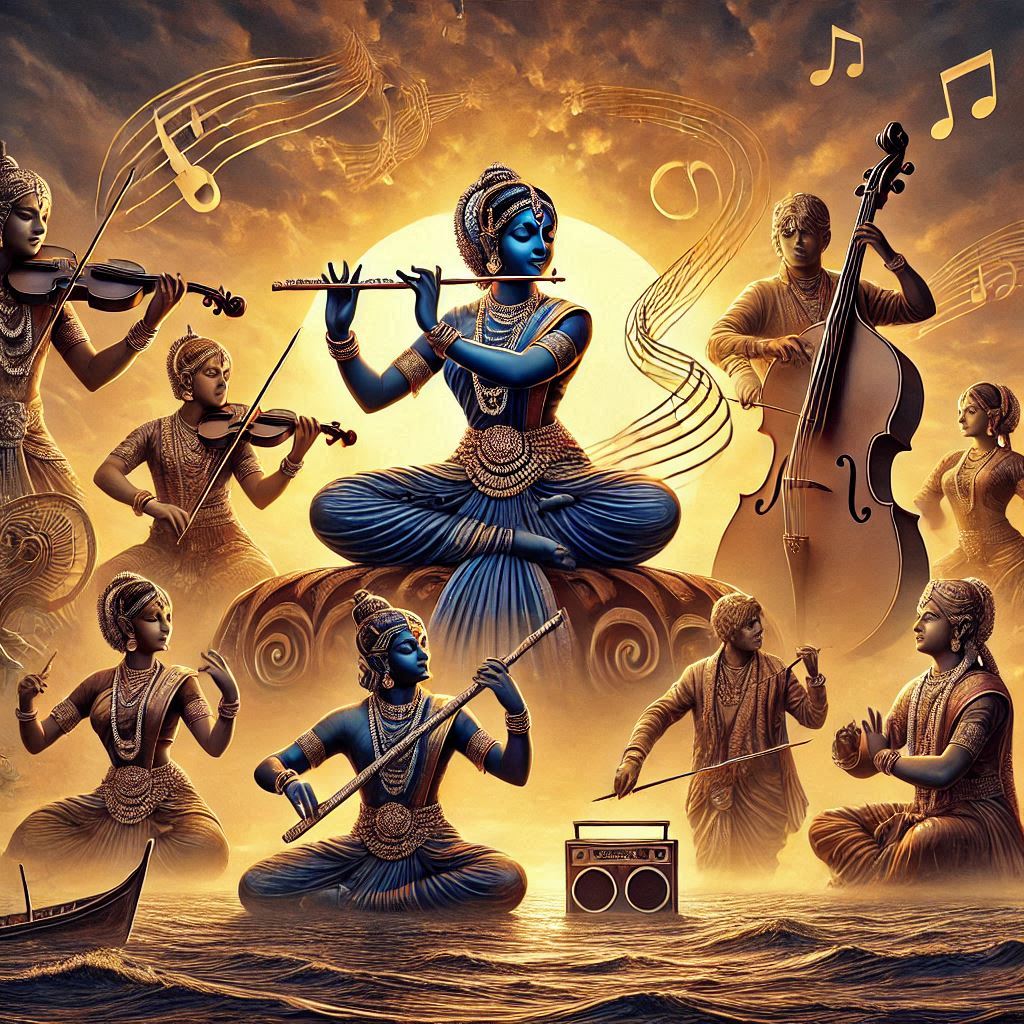
 Kia ora, friends—imagine strumming a waiata on a Dunedin porch, the chords weaving community, but picture instead a Tanjore temple, where a veena hums Carnatic ragas under dawn’s glow, or a Mumbai studio, where a fusion band layers sitar with synth for a global beat. This is the 62nd melody in our 100-article journey through Bharat Is Not for Beginners, a remarkable trek that’s unveiled a land of vibrant legacies and bold creativity. Now, we’re tuning back into Bharat’s sacred sound—its musical traditions and living melodies—where every note, every tala, is a taonga, a treasure sung from Vedic chants to modern tracks. This isn’t just about music; it’s Bharat harmonising its whakapapa with rhythm and soul.
Bharat doesn’t approach music with a fleeting tune—it sings with depth and devotion. Its sonic kaupapa isn’t a faded score; it’s a vibrant hui, a gathering of ragas, bhajans, and beats that stretch from the sacred yajna’s mantra chants to the streaming playlists of today’s apps. This land is a living orchestra, a soul-stirring ticker that’s uplifted its people through rituals, rebellions, and celebrations with a profound respect for sound and spirit. This isn’t for those after a quick jingle—it’s an exploration of a civilisation that’s made its melodies a remarkable legacy, a harmony that binds its past to its present with grace and cadence.
The Vedic Chord: Music’s Sacred Beginnings
Let’s step back to 1500 BCE, when sound was more than vibration—it was divine. The Rigveda’s suktas, chanted in yajna fires, weren’t just hymns—they were music, their chandas—metres—set to svara (notes), a rta-guided homam to Brahman. Samaveda, by 1000 BCE, refined this, its ragas—melodic scales—a jyotisha-timed score for soma rituals, each sama a rishi’s prayer in pitch.
By 600 BCE, Natya Shastra—Bharata Muni’s treatise—mapped sangeeta, blending gandharva (instrumental), gana (vocal), and tala (rhythm), its svara system a mandala for rasa—emotion. Vedic flutes—vamsha—and drums—dundubhi—echoed in sabhas, while veena strings plucked deva praises. Sangam Tamil texts, from 300 BCE, sang of yazh—harps—in kurinji hills, their pann scales a yajna breeze. Upanishads called nada—sound—Brahman’s pulse, a sadhana in every note.
This wasn’t mere song—it was sangeeta-kala, the art of harmony. Musicians weren’t just players; they were gandharvas, keepers of sacred sound, their melodies a hui that linked Bharat’s spirit to its svaras and talas with a sage’s reverence and a deep wairua, a spiritual chord that endures.
A Whānau of Melodies: Music Across the Land
Bharat’s musical traditions form a whānau, a family of sounds, each region tuning its own raga. In Tamil Nadu, Carnatic music flows—Tyagaraja’s kritis on veena and mridangam—a Sangam taonga for temple kutcheries. Up north, Uttar Pradesh’s Hindustani khayal—Tansen’s 16th-century gift—soars in Agra gharanas, its sitar a bhakti stream for gurus.
Bengal’s Rabindra Sangeet—Tagore’s Bangla hymns—blends raga with folk, a delta hui for monsoon evenings. Gujarat’s garba strums mandolin for Navratri, a Jain-tempered tala in dandiya circles. Kerala’s Sopana chants Krishna at Guruvayur, its edakka drums a coastal rta for puja.
Odisha’s Odissi music hums chhanda for Jagannath, its mardala a temple pulse. Punjab’s Gurbani kirtan sings Guru Granth in Gurmukhi, a Sikh shabad on rabab for gurdwaras. Maharashtra’s Powada ballads chant Shivaji’s deeds, a Maratha tala on dafli. Assam’s Bihu pepa—buffalo horns—blares for harvests, a Brahmaputra raga, while Kashmir’s Sufi Chakri spins santoor for dargahs. From Andaman’s tribal chants to Ladakh’s Tibetan damnyan, Bharat’s melodies are a whānau—rich, varied, and truly impressive, each a note in the land’s sonic soul.
Musical Mana: Sound Meets Spirit
Bharat’s music carries mana—sacred essence strung in every svara. Sangeeta isn’t just melody; it’s dharma, aligning atman with rta’s rhythm, every raga a homam prayer for rasa. Todi raga stirs karuna—compassion—a tika to Brahman. Bhajans to Krishna lift bhakti, a yajna chant for devotion.
Festivals tune this mana—Diwali’s kirtans echo Rama’s return, their harmonium a jyotisha glow. Teej strums Rajasthani mand for Parvati, a tala love. Even daily life reflects it—villagers sing Bihu at harvests, mothers hum loris to tamariki, a rta-guided warmth. Carnatic kritis heal minds, their svara a sadhana for peace.
Jain bhaktigeet praise tirthankaras, their minimal tala an ahimsa song. Tribal Santhals in Jharkhand drum mandar for totem dances, a pre-Vedic sangeeta-kala alive in flutes. Sound wasn’t just art here—it was wairua, a sacred hui tying Bharat’s spirit to its ragas and rhythms, a living nada brahma in note and beat.
The Global Hui: Melodies Reach Out
Bharat’s musical wisdom didn’t stay silent—it resonated far. By 200 BCE, Samaveda’s svaras sailed with Buddhist monks to China, their ragas shaping Tang chants. Sangam yazh tuned Sri Lanka’s ravanahatha, a sangeeta taonga for monsoon strings. Mughal dhrupad inspired Persian maqams, a Desi tala in Safavid halls.
British colonials pinched thumri for ballads, a Vedic lilt in Victorian parlours. Today, it’s a global hui—NZ’s kirtan groups chant Hare Krishna in Nelson, a Vedic twist on Kiwi hymns. In Wellington, sitar classes teach Yaman raga, while Auckland’s DJs sample Bhangra for clubs.
From Ravi Shankar’s Grammy to Dunedin’s Carnatic recitals, Bharat’s melodies are a friend—soulful, timeless, and truly far-reaching, a Vedic chord strumming the global whānau’s heart.
The Modern Rāka: Melodies Keep Singing
Colonial times tried to mute it—Western hymns outshone ragas—but Bharat’s music stood firm. Post-1947, the waka turned with pride. Sangeet Natak Akademi, founded 1952, revived Carnatic and Hindustani, its gurukuls a rishi’s nod to gandharvas. All India Radio, from 1936, aired Tansen’s darbari, a raga for millions.
A.R. Rahman blends sufi with synth, his Oscars a sangeeta for global screens. Bhangra pop—Daler Mehndi’s tunes—rocks Punjabi diasporas, a tala gone viral. Spotify streams Rabindra Sangeet, a kavya for millennials. Chennai’s Margazhi fest draws Carnatic crowds, a kutchery for ragas.
Kiwi friends see the spark—Auckland’s Diwali fests pulse Bhangra, Wellington’s choirs nod Gurbani’s shabad. It’s not a relic—it’s a live rāka, Bharat’s musical mana singing from Vedic sama to streaming tracks, a melody that keeps harmonising.
Why the Sound Stays Sacred
What keeps this music alive? Bharat’s devotion runs deep—nanas hum bhajans at dusk, tamariki pluck tanpura in gurukuls. Gandharvas guard sangeeta-kala like treasures, passing down khayal with a Hurricanes ruck’s focus. It’s Vedic at its core—rta’s rhythm, dharma’s heart, still hold it tapu, a sacred trust unbroken.
Communities keep it vibrant—village kirtan circles, urban music fests, temple raga recitals. UNESCO’s marked Vedic chanting as heritage, but it’s the people who uphold the kaupapa—strumming sitar in courtyards, mixing beats in studios, teaching tala to the next wave. It’s not just music—it’s whakapapa, a sound Bharat’s sung since the rishis chanted sama, a melody that stands soulful.
Why It’s a Soul-Stirring Yarn
Why tune back into Bharat’s sacred sound? Because it’s a soul-stirring yarn—melodies that uplift, endure, and inspire, a remarkable tale that deserves a deep listen. It’s taonga—svaras older than the Treaty waka, ragas glowing with Vedic fire—and it’s alive, harmonising from Kaikoura’s shores to anywhere hearts sing. For us in Aotearoa, it’s a hui—strum a veena, chant a kirtan, catch Bharat’s spark in every note.
This sound bridges worlds—past and present, sabha and studio, Bharat and beyond. It’s in the raga that soothes a soul, the bhajan that lifts a prayer, the beat that moves a crowd. It’s not just music; it’s wairua, a spiritual force, and Bharat’s got it ringing strong, a sound that invites us all to sing, to feel, to join the harmony.
Excerpt
That’s 62 melodies in our 100-article rāka of Bharat Is Not for Beginners, and Bharat’s still singing—a land of remarkable gifts. Keep your ears open as we tune more of its taonga. Join us tomorrow for Article 63: “Bharat Is Not for Beginners – The Sacred Flow Returns Again: Bharat’s River Traditions and Living Waters”, where we’ll drift back into the currents that sustain a civilisation’s spirit.