




 Theodora Chapman
 Wellington has been battered by some of the most severe weather in recent memory, with days of heavy rain, gale-force winds, and widespread flooding causing major disruption across the region. The storm, which struck from April 30 through May 2, 2025, left thousands without power, forced evacuations, closed roads and public facilities, and triggered a rare red wind warning for the capital. As recovery continues, the city is reckoning with the scale of the damage and the resilience of its infrastructure.
Record Winds, Torrential Rain, and Flooding
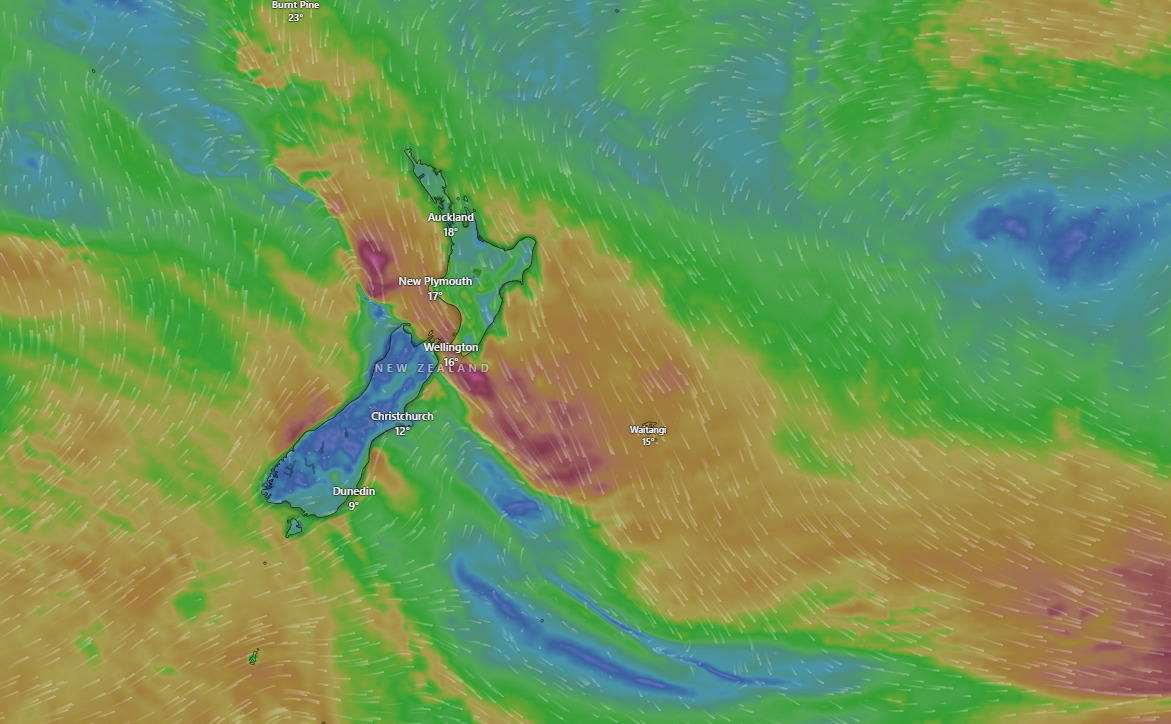
The extreme weather event was driven by a deep low-pressure system that moved across the country, bringing with it powerful southerly winds and intense rainfall. Wellington recorded wind gusts exceeding 150 km/h in exposed areas, while waves in the harbour reached over 11.5 metres. Rainfall totals between Wednesday and Friday morning topped 120–150 mm in the city, with even higher amounts in some eastern areas.
The Hutt River, swollen by days of rain, burst its banks in places, flooding roads and low-lying properties. Surface flooding was also reported in Lower and Upper Hutt, and a slip on Wainuiomata Hill closed key routes. The city’s drainage systems were pushed to their limits, and emergency services responded to dozens of calls for assistance.
Power Outages and Infrastructure Damage
At the peak of the storm, more than 8,000 properties in Wellington lost electricity as trees toppled onto power lines and winds tore roofing from homes in Petone, the CBD, and Brooklyn. By May 5, nearly 300 homes were still without power, with Wellington Electricity facing criticism for slow communication and delays in restoring service. Power outages also affected the Wairarapa, Lower Hutt, Upper Hutt, Judgeford, and the Kāpiti Coast, as well as parts of Horowhenua and Manawatū.
The city’s transport infrastructure was severely affected. Most flights to and from Wellington Airport were cancelled-about 200 in total, impacting around 22,000 travelers. Cook Strait ferries were suspended for two days, and bus and train services, including the Wairarapa and Hutt Valley lines, were disrupted or cancelled. Coastal roads such as Moa Point near the airport and Marine Drive in Eastbourne were closed due to large swells and debris.
Emergency Response and Public Safety
Wellington City Council, responding to MetService’s first-ever red wind warning for the region, closed all public-facing facilities on May 1, including libraries, swimming pools, recreation centres, sportsfields, museums, and the cable car. Victoria University and several schools also closed for the day. Residents along the south coast, including Ōwhiro Bay, were advised to consider staying elsewhere overnight due to the risk of extreme winds, high tides, and large waves.
Emergency services and council contractors worked around the clock to monitor hotspot areas, clear fallen trees, and assess damage. The public was urged to avoid the Town Belt and other reserves due to the risk of falling trees, and council staff began clearing debris as soon as it was safe to do so.
Community Impact and Notable Incidents
The storm left a trail of damage and disruption:
- A large ash tree at Wellington Cathedral of St Paul was blown over, with the wood to be repurposed for church bell stays.
- Six injured and exhausted albatross were rescued and transferred to Wellington Zoo; two had to be euthanised.
- A red panda escaped from Wellington Zoo after a tree fell over but was safely recovered nearby.
- Several empty shipping containers at CentrePort Wellington were toppled by the wind.
- Roofing was blown off homes across multiple suburbs, and numerous streets were blocked by fallen trees and branches.
In the wider region, flooding and slips closed roads in the Hutt Valley and Wairarapa, and emergency services responded to over 60 calls for help in Canterbury. States of emergency were declared in several South Island districts, but Wellington avoided the need for a formal declaration despite the scale of the disruption.
Recovery and Ongoing Risks
By May 7, most power had been restored, but a small number of homes in Wellington and the surrounding region remained without electricity. The city council and emergency services continue to assess the damage, clear debris, and support affected residents. Recovery is ongoing, with a focus on strengthening infrastructure and improving communication for future events.
The storm has reignited debate about Wellington’s resilience to extreme weather, especially as climate change is expected to increase the frequency and severity of such events. City officials are reviewing emergency plans, drainage systems, and coastal defences to better protect the capital in the future.
Looking Ahead
As Wellington recovers from this major storm, the focus is on supporting affected communities, restoring services, and learning lessons for the future. The event has highlighted both the vulnerability and the resilience of the city, as well as the importance of preparedness in the face of increasingly volatile weather patterns.
Residents are urged to stay informed about weather warnings, prepare emergency kits, and check on neighbours, especially the elderly and vulnerable, during future storms. The city’s experience over the past weeks is a reminder that, even in a well-prepared country like New Zealand, nature’s power can still bring cities to a standstill-and that recovery requires the combined efforts of government, emergency services, and the community.