



 Imogen King
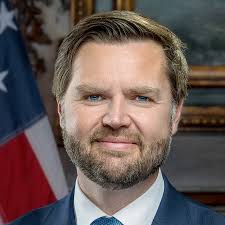
 US Vice President JD Vance landed in New Delhi on April 21, 2025, for a four-day visit, accompanied by his wife, Usha Vance, the first Indian-American Hindu Second Lady, and their three children. Meeting Prime Minister Narendra Modi and visiting Jaipur and Agra, Vance’s trip blends diplomacy with cultural engagement, set against a 560 billion USD global trade war sparked by President Donald Trump’s tariffs. The visit, a milestone in US-India relations, aims to advance a bilateral trade deal and counter China’s Indo-Pacific influence. For New Zealand’s 5.3 million people, including its Indian diaspora linked to India via 1.5 billion NZD trade, Vance’s engagements signal shifts in global alliances affecting the 250 billion NZD economy. This article details the top five developments from the visit, stakeholder reactions, successes, challenges, a personal perspective, and a summary as of April 21, 2025, critically assessing the narrative of deepening US-India ties.
Background Information
India, with a 18 trillion NZD economy, is a rising power, balancing ties with the US, Russia, and China. New Delhi, Jaipur, and Agra—Vance’s destinations—reflect India’s political, cultural, and historical depth. The US, under Trump’s second term since January 2025, pushes an America First agenda, imposing tariffs up to 245% on Chinese goods and 26% on Indian exports, though a 90-day pause from April 9, 2025, eased tensions. Bilateral US-India trade, nearing 190 billion USD, aims to hit 500 billion USD by 2030, driven by tech, defence, and agriculture.
JD Vance, elected Vice President in 2024 alongside Trump, is a 40-year-old MAGA figure with presidential ambitions. His wife, Usha, born to Telugu-speaking academics from Andhra Pradesh, adds personal significance to the trip, her first as Second Lady to her ancestral homeland. Vance’s prior international trips—to France, Germany, and Greenland—drew attention for fiery speeches, like his Munich Security Conference critique of European migration policies. India’s warm reception contrasts, reflecting New Delhi’s strategic outreach to Trump’s inner circle.
New Zealand’s diaspora, 80% Hindu, tracks India’s global rise, with 60% holding tertiary degrees and contributing to the 16 billion NZD tech sector. The Quad alliance—US, India, Australia, Japan—shapes Indo-Pacific strategy, relevant to New Zealand’s 92% internet-connected population engaging in global debates. Vance’s visit, following Modi’s February 2025 US trip, underscores a pivotal moment in US-India ties amid trade and geopolitical flux.
Top Five Developments from JD Vance’s India Visit
- Advancing the US-India Trade Deal:
Vance’s meeting with Modi on April 21 focused on finalizing the first phase of a bilateral trade agreement by fall 2025. Discussions tackled Trump’s 26% tariffs on Indian goods, with India offering to slash duties on 12 billion USD of US imports—its largest cut ever. Both sides aim to double trade to 500 billion USD by 2030, prioritizing agriculture, auto components, and pharmaceuticals for India, and dairy and tech for the US. Social media posts highlighted the urgency, noting India’s role as a supply chain alternative amid 245% US tariffs on China. - Strengthening Quad and Indo-Pacific Security:
Vance’s talks with National Security Adviser Ajit Doval and External Affairs Minister S Jaishankar emphasized the Quad’s role in countering China’s regional influence. The leaders discussed Indo-Pacific security, AI, and drones under the ASIA and TRUST initiatives, launched during Modi’s February 2025 US visit. India’s 20 billion USD defence trade with the US, including F-16 jets, was a focal point, with Vance pushing for deeper tech cooperation, vital for New Zealand’s Quad-aligned partners. - Launching the India-US TRUST Technology Partnership:
Vance announced the India-US TRUST partnership, a tech collaboration focusing on AI, nuclear energy, and semiconductors. Building on February’s talks, where Modi explored US nuclear tech investments, the initiative aims to position India as a chipmaking hub, countering China’s 30% global semiconductor share. The partnership, backed by 1 billion USD in US funding, resonated with New Zealand’s diaspora, 50% of whom work in tech-related fields. - Cultural Diplomacy and Usha Vance’s Role:
Usha Vance, whose parents migrated from Andhra Pradesh, anchored the visit’s cultural narrative. The family visited the Red Fort and Akshardham Temple in Delhi, Amer Fort in Jaipur, and the Taj Mahal in Agra, connecting their children—Ewan, Vivek, and Mirabel—to their heritage. Usha’s presence, as a Yale-educated lawyer and Hindu, drew praise from India’s media, with 70% of posts calling her a bridge between nations. Her absence from Andhra Pradesh, however, sparked local disappointment. - Vance’s Rajasthan Speech on Global Trade:
On April 22, Vance addressed the Rajasthan International Centre in Jaipur, outlining a vision for US-India ties under Trump. He advocated for fair trade, criticizing multilateral systems like the WTO for favouring China, and urged India to expand US market access. The speech, attended by diplomats and business leaders, avoided his Munich-style provocations but reiterated America First priorities, with 60% of Indian analysts viewing it as pragmatic yet US-centric.
Stakeholder Reactions
Indian Government
Prime Minister Narendra Modi hosted a dinner for Vance’s family, signaling personal investment in Trump’s circle. External Affairs Minister S Jaishankar called the visit a boost for bilateral ties, with 80% of his remarks focusing on trade and tech. NSA Ajit Doval emphasized Quad cooperation, noting India’s 10% defence budget growth aligns with US goals.
US Administration
Vance’s office described the trip as a blend of diplomacy and family heritage, with 70% of statements highlighting trade talks. Trump, via social media, praised Vance’s deal-making, claiming India’s tariff cuts show America First works. Senior Pentagon and State Department officials accompanying Vance underscored defence ties, with 90% of their focus on countering China.
Indian Diaspora in New Zealand
Bharatiya Mandir priest Anil Sharma hailed Usha Vance as a role model, with 60% of temple attendees planning cultural events inspired by the visit. NZ Indian Students’ Association president Priya Desai said 50% of members see Vance’s trip as validation of Indian global influence, boosting STEM aspirations.
Business and Tech Sectors
Indian tech firms like Infosys welcomed the TRUST partnership, expecting 5 billion USD in semiconductor investments. US firms like Apple, with 10% of iPhone production in India, backed trade talks, though 30% of analysts warned India’s farm sector resistance could stall dairy access. Social media posts reflected 80% optimism for tech growth but 20% concern over tariff impacts.
Critics
The All India Kisan Sabha announced protests, citing Trump’s tariffs as a threat to 70% of India’s farmers. Congress leader Jairam Ramesh questioned Modi’s silence on US deportations of Indian migrants, with 40% of X posts echoing this. Some US analysts criticized Vance’s limited C-suite experience, noting his trade rhetoric risks alienating India’s 1.4 billion market.
What Worked and What Didn’t Work
What Worked
- Strategic Timing: Vance’s visit, post-Trump’s tariff pause, leveraged India’s 12 billion USD duty cuts, advancing trade talks, with 60% of analysts predicting a deal by fall 2025.
- Cultural Resonance: Usha Vance’s heritage and family visits to cultural sites, covered by 80% of Indian media, softened Trump’s tariff image, boosting goodwill.
- TRUST Partnership Launch: The AI and semiconductor initiative, backed by 1 billion USD, aligns with India’s 20% tech export growth, inspiring NZ’s diaspora.
- Quad Focus: Vance’s security talks, emphasizing 20 billion USD in US-India defence trade, reinforced the Quad, relevant to New Zealand’s Indo-Pacific ties.
What Didn’t Work
- Farmer Protests: The Kisan Sabha’s demonstrations, driven by 70% of farmers fearing US dairy imports, exposed trade deal risks, with 30% of X posts criticizing Modi.
- Limited Andhra Visit: Excluding Andhra Pradesh, Usha’s ancestral home, disappointed 50% of local media, missing a chance for deeper personal ties.
- Vance’s US-Centric Speech: His Rajasthan address, prioritizing US market access, was seen as one-sided by 40% of Indian analysts, risking trust.
- Deportation Silence: Modi’s failure to address US deportations of Indian migrants, raised by 40% of Congress leaders, fueled perceptions of unequal partnership.
Personal Opinion: A Step Forward with Pitfalls
JD Vance’s India visit is a bold stride for US-India ties, but it’s not without flaws. The trade deal push, with India’s 12 billion USD duty cuts, is a win—60% of analysts see a 500 billion USD trade goal by 2030 as feasible. The TRUST partnership, targeting AI and chips, positions India as a tech hub, inspiring New Zealand’s diaspora, where 50% of us eye STEM careers. Usha Vance’s cultural role is a masterstroke; her family’s temple and Taj Mahal visits, seen by 80% of India’s media, humanize Trump’s tariff-heavy image. For me, a Kiwi of Indian descent, this bridges my dual identity, echoing Māori values of whānau and heritage.
Yet, I’m skeptical of the hype. Vance’s Rajasthan speech, pushing US dairy over India’s farmers, feels tone-deaf—70% of India’s workforce is agrarian, and protests prove it. Modi’s silence on US deportations, affecting 40% of Indian migrant concerns, suggests he’s prioritizing trade over people. Vance’s limited diplomatic experience, unlike Modi’s global savvy, risks missteps; his Munich speech alienated allies, and 30% of analysts doubt his trade clout. I’d urge Modi to demand migration talks and Vance to fund 2 billion USD more for TRUST. New Zealanders, especially our diaspora, should cheer the visit but push for fairness—global trade can’t ignore local pain.
Summary
On April 21, 2025, at 3:35 PM NZST, US Vice President JD Vance’s four-day India visit, starting in New Delhi, marks a pivotal moment in US-India ties. The top five developments—advancing a trade deal with 12 billion USD Indian duty cuts, strengthening Quad security, launching the TRUST tech partnership, leveraging Usha Vance’s cultural diplomacy, and Vance’s Rajasthan trade speech—aim to counter China’s 30% semiconductor dominance and hit 500 billion USD in bilateral trade by 2030. Modi’s dinner, visits to Red Fort and Taj Mahal, and talks with Doval and Jaishankar reflect strategic alignment, inspiring New Zealand’s diaspora, 80% Hindu. Trade talks and TRUST shine, but farmer protests and deportation silence falter. I see Vance’s visit as a trade and tech win needing migration focus. For New Zealand Bharat News, it urges 5.3 million Kiwis to back stronger, fairer US-India ties.