 Theodora Chapman
 HYDERABAD, INDIA – A dramatic standoff over the felling of trees in Hyderabad’s Kancha Gachibowli forest area reached a turning point on Thursday, 3 April 2025, when India’s Supreme Court intervened, ordering an immediate halt to deforestation on a 400-acre parcel near the University of Hyderabad (UoH). The decision, sparked by days of student protests and legal challenges, followed reports of rapid tree clearing by the Telangana government for a proposed IT park, flattening an ecologically rich zone dubbed the “lungs of Hyderabad.” As bulldozers fell silent, NZB News explores this escalating saga, its roots, and its resonance for New Zealand’s Indian diaspora and beyond.
For Kiwi-Indians, many hailing from urban centres like Hyderabad—where green spaces are shrinking amid IT-driven growth—this clash mirrors global tensions between development and conservation. With the Supreme Court now spearheading a suo motu case, the fate of Kancha Gachibowli hangs in the balance.
The Incident: A Forest Under Siege
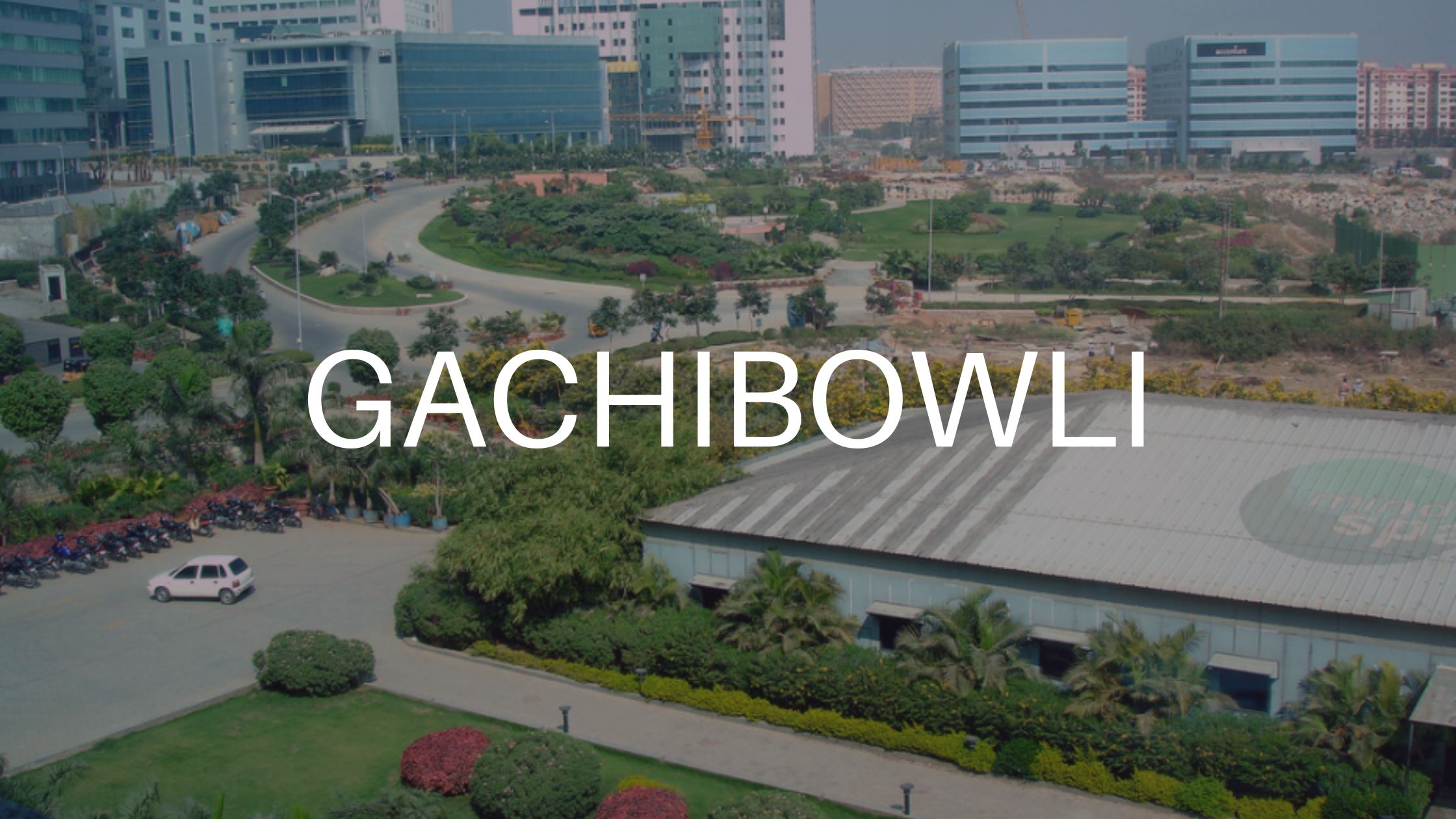
The crisis erupted on 30 March 2025, when the Telangana State Industrial Infrastructure Corporation (TSIIC) unleashed over 50 bulldozers and earthmovers on Kancha Gachibowli, a 400-acre tract in Hyderabad’s Rangareddy district abutting UoH. The government’s plan: auction the land for IT infrastructure, promising Rs 50,000 crore in investment and 5 lakh jobs. By 2 April, satellite imagery revealed vast swathes of greenery razed, with estimates from GIS analyst Sai Krishna suggesting over 10,000 of the area’s 17,700 trees were felled in days.
Students, environmentalists, and locals recoiled. UoH protesters clashed with police, who deployed lathi charges and detained over 80 demonstrators by 3 April, per The Hindu. Videos on X captured peacocks and deer fleeing as chainsaws roared, amplifying outrage. The Telangana High Court stepped in on 2 April, issuing a status quo order until 3 April, but reports of continued felling at 7:00 AM that day—timestamped by activists—prompted contempt allegations.
The Supreme Court acted decisively on 3 April. Justices B.R. Gavai and A.G. Masih, alerted by amicus curiae K. Parameshwar, ordered the Telangana High Court Registrar (Judicial) to inspect the site, delivering a damning 3:30 PM report: 100 acres devastated, heavy machinery rampant, and wildlife displaced. The court stayed all activity except tree protection, warning Chief Secretary A. Santhi Kumari of personal liability—potentially prison—if defied. A hearing looms on 7 April.
Historical Context: A Land in Limbo
Kancha Gachibowli’s story stretches back decades. Once grazing land (“kancha” in Telugu), this 400-acre parcel within Survey No. 25 evolved into a biodiverse haven, hosting 734 plant species, 220 bird species, and mammals like spotted deer, per Save City Forest data. Its three lakes—Peacock, Buffalo, and a third unnamed—fed the Musi River basin, while 2.5-billion-year-old rock formations, including Mushroom Rock, added geological heft. By 1996, the Supreme Court’s T.N. Godavarman ruling classified such areas as “deemed forests,” demanding protection under the Forest Conservation Act, 1980.
Yet, ownership disputes festered. UoH once claimed the land, but a 2006 state resumption shifted it to government hands. In 2003, under Andhra Pradesh’s Telugu Desam Party, a deal with IMG Bharata to build sports academies faltered, leaving the land contested. TSIIC acquired it in 2012, eyeing industrial use, but resistance from students and green groups stalled progress—until this year’s aggressive push.
Globally, urban deforestation echoes here. New Zealand’s own tussles—like the 2023 Coromandel logging debates—parallel Hyderabad’s, where concrete sprawls choke green lungs. India’s 2,000 annual level crossing deaths dwarf New Zealand’s rail risks, but both nations grapple with balancing growth and nature.
Why Now? A Rush to Develop
The Telangana government’s haste—clearing land over a holiday weekend—drew Supreme Court ire: “Taking advantage of long holidays, authorities rushed to fell trees,” Justice Gavai noted. TSIIC’s 2024 order to auction the land, backed by Chief Minister A. Revanth Reddy’s Congress regime, aimed to cement Hyderabad’s IT dominance, home to giants like Microsoft and Google. A government note on 1 April touted economic gains, promising to preserve rock formations via a park—an unconvincing balm to critics.
Posts on X flagged the timing:
@Soren_Media called it “illegal” and “rushed,” reflecting public dismay. Hyderabad’s air quality, already dire with an AQI often exceeding 150, and groundwater levels—15.62 m in Kancha Gachibowli versus 10.8 m nearby—underscored the land’s ecological role. The state’s defence, via Senior Advocate Abhishek Manu Singhvi, that only “shrubs” were cleared, crumbled against photographic evidence.
Impact on Stakeholders
This saga reverberates widely:
- Students and UoH: Protesters, celebrating the Supreme Court’s stay, demand the land’s transfer to UoH as a bio-heritage reserve. Over 80 detentions and police barricades fuelled calls for Vice Chancellor and Registrar resignations, per The Hindu.
- Telangana Government: Facing legal and public backlash, the state must justify its “compelling urgency” in an affidavit. TSIIC’s IT park vision hangs in limbo, with Chief Secretary Kumari under scrutiny.
- Environmentalists: Groups like Vata Foundation, behind a High Court PIL, hail the halt but warn of irreversible losses—10,000 trees gone, wildlife scattered. The Union Environment Ministry’s 3 April demand for a report adds pressure.
- Indian Diaspora in NZ: For Hyderabad natives among New Zealand’s 250,000-strong Indian community, this evokes personal stakes. “It’s our heritage being bulldozed,” said Auckland’s Priya Sharma, echoing diaspora forums.
- Wildlife and Ecosystem: Peacocks, deer, and rare species like the Hyderabad tree trunk spider face habitat ruin. Two lakes, vital for groundwater, risk drying up, per India Today.
- Hyderabad Residents: The city’s 10 million lose a climate buffer—air quality, temperature regulation, and water security teeter as concrete rises.
Broader Implications
The Kancha Gachibowli row tests India’s environmental resolve. The Supreme Court’s 1996 Godavarman precedent and 2025 orders mandating forest identification clash with Telangana’s actions, lacking environmental impact assessments (EIA) per the 2006 EIA Notification. Justice Gavai’s quip—“However high one may be, not above the law”—signals accountability.
For New Zealand, where Māori kaitiakitanga guides conservation, this mirrors debates over urban sprawl versus nature—like Auckland’s 2024 tree protection bylaws. Globally, urban forests like Brazil’s Tijuca face similar threats, yet Hyderabad’s rapid loss stands out. The diaspora sees parallels with Bharat’s climate pledges—net-zero by 2070—undermined by such moves.
Future Considerations
The 7 April hearings will shape outcomes:
- Legal Reckoning: Will Telangana’s Chief Secretary face contempt if felling resumes?
- Conservation: Could Kancha Gachibowli gain “forest” status, as demanded?
- Development: Might IT plans shift to less sensitive sites, balancing jobs and ecology?
- Precedent: A win for activists could bolster urban green fights nationwide.
Tech like AI-driven land monitoring or New Zealand-style carbon credits could aid Hyderabad’s recovery, but time is short.
Summary
The Kancha Gachibowli tree felling crisis, halted by India’s Supreme Court on 3 April 2025, pits Hyderabad’s IT ambitions against its ecological soul. Over 10,000 trees fell in days, sparking UoH protests, legal battles, and a national outcry—stayed only by judicial muscle. Rooted in decades of land disputes, this clash reflects global urban-nature tensions, hitting home for New Zealand’s Indian diaspora. As stakeholders—from students to wildlife—reel, the 7 April ruling looms large, testing India’s green commitments. For Aotearoa and Bharat alike, it’s a stark lesson: progress mustn’t raze what sustains us.