 Theodora Chapman
 An Unrelenting Heatwave Grips Northern India and Pakistan
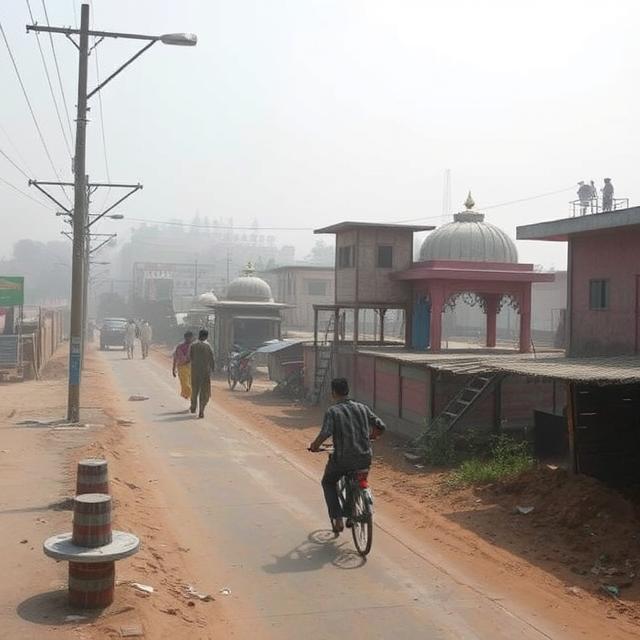
As of early June 2025, northern India and parts of Pakistan are enduring an intense and relentless heatwave, with temperatures soaring well above 45°C (113°F) in key urban centers. This extreme heat event, which began unusually early in the season, has triggered widespread alerts from meteorological agencies, strained infrastructure, and posed serious health risks to millions of people.
The heatwave has led to red alerts in several northern Indian states, including Delhi, Punjab, Rajasthan, Haryana, and Uttar Pradesh. The India Meteorological Department (IMD) has issued warnings urging residents to take precautions against heat-related illnesses, especially vulnerable groups such as children, the elderly, and those with pre-existing health conditions.
Record-Breaking Temperatures and Heat Index
In the national capital, Delhi, temperatures have been particularly severe. Official readings have recorded maximum temperatures exceeding 43°C, with the heat index — a measure combining temperature and humidity to reflect perceived temperature — reaching a staggering 51.9°C. Residents have reported feeling temperatures as high as 52°C during the peak afternoon hours.
The combination of high heat and humidity has exacerbated discomfort and health risks, prompting the National Disaster Management Authority to declare a red alert for Delhi. Citizens have been advised to stay indoors during the hottest parts of the day, remain hydrated, and watch for symptoms such as dizziness, nausea, cramps, or confusion.
Geographic Spread and Regional Impact
The heatwave’s impact extends beyond Delhi, affecting a broad swath of northern India and parts of Pakistan. Punjab and Haryana are under red alert, with temperatures regularly climbing above 45°C. Rajasthan has experienced some of the highest readings, with cities like Sri Ganganagar registering temperatures near 48°C.
Even regions typically known for milder climates are feeling the heat. The adjoining states of Uttar Pradesh and Madhya Pradesh have reported heatwave conditions, with warnings issued for continued extreme heat through mid-June.
Power Outages and Infrastructure Strain
The intense heat has placed significant pressure on power grids across the affected regions. Since early June, there have been reports of widespread power outages in northern states as demand for electricity—primarily for air conditioning and cooling—has surged. These outages have compounded the challenges faced by residents, especially vulnerable populations without access to reliable cooling.
Water scarcity has also become a concern, as high temperatures increase evaporation rates and strain water supplies. Local authorities have urged conservation and increased distribution of potable water to affected communities.
Health Risks and Public Safety Measures
Heatwaves pose serious health risks, including heat exhaustion, heatstroke, dehydration, and exacerbation of chronic conditions. Hospitals in affected areas have reported an uptick in heat-related admissions, with emergency services on high alert.
Public health officials have launched awareness campaigns, advising people to avoid strenuous outdoor activities during peak heat hours, wear loose and light-colored clothing, and consume adequate fluids. Special attention is being given to children, the elderly, outdoor workers, and those with cardiovascular or respiratory issues.
Meteorological Causes and Forecast
The heatwave is attributed to a combination of meteorological factors. A strong high-pressure system over the region has led to clear skies and intense solar heating. Additionally, the weakening influence of recent western disturbances has reduced cloud cover and precipitation, allowing temperatures to soar.
The IMD forecasts that the extreme heat will persist through June 13, with a gradual easing expected thereafter due to an approaching western disturbance. This weather system is anticipated to bring light rain and thunderstorms to northwest India, including Delhi, offering some relief from the oppressive heat.
Monsoon Progress and Regional Variations
While northern India grapples with the heatwave, the southwest monsoon has become active in southern and western India. States such as Kerala, Goa, and parts of Maharashtra have experienced intense rainfall between June 12 and 15, providing respite from heat in these regions.
The monsoon is forecast to advance northward, reaching Himachal Pradesh by June 20 and Punjab by June 27. This progression is expected to gradually alleviate heatwave conditions in northern India, though localized heat and humidity may persist.
Social and Economic Impact
The heatwave has disrupted daily life and economic activity in affected regions. Schools and workplaces have adjusted hours to avoid the hottest parts of the day. Outdoor laborers, including farmers and construction workers, face increased health risks and reduced productivity.
Agriculture is particularly vulnerable, with heat stress affecting crop growth and yields. Water-intensive crops are at risk due to dwindling water supplies, and livestock are also impacted by the extreme temperatures.
Tourism and Hill Stations
In search of cooler climates, many residents from northern plains have flocked to hill stations such as Nainital, Shimla, and Mussoorie. These destinations are experiencing heavy tourist influxes, leading to traffic congestion and overcrowding, challenging the infrastructure of these towns.
While the hills offer a temporary escape from the heat, the surge in visitors has raised concerns about environmental impact and resource management.
Government and Community Responses
State and local governments have activated heatwave action plans, including opening cooling centers, distributing water, and mobilizing emergency services. Public advisories emphasize community vigilance, particularly for vulnerable populations.
Non-governmental organizations and community groups have also stepped in to provide support, including awareness campaigns and assistance to those without access to adequate shelter or hydration.
Historical Context: Heatwaves in the Indian Subcontinent
Heatwaves are a recurring phenomenon in the Indian subcontinent, typically occurring between April and June before the monsoon onset. However, recent years have seen an increase in intensity and duration, attributed in part to climate change and urban heat island effects.
Past severe heatwaves, such as those in 2015 and 2019, have resulted in thousands of deaths and widespread disruption. These events have underscored the need for improved forecasting, infrastructure adaptation, and public health preparedness.
Climate Change and Future Risks
Scientific assessments indicate that climate change is increasing the frequency, intensity, and duration of heatwaves in South Asia. Rising baseline temperatures, altered monsoon patterns, and urbanization contribute to heightened vulnerability.
Experts warn that without significant mitigation and adaptation efforts, heatwaves will pose growing threats to health, agriculture, water security, and economic stability in the region.
Summary
Northern India and Pakistan are currently enduring a severe heatwave, with temperatures exceeding 45°C and heat indices reaching over 50°C in major cities like Delhi. The extreme heat has led to red alerts, power outages, health emergencies, and economic disruptions. Relief is anticipated with the arrival of a western disturbance bringing rain and thunderstorms by mid-June.
This heatwave is part of a broader pattern of increasing temperature extremes linked to climate change, underscoring the urgent need for preparedness and resilience building. As millions cope with the blistering conditions, government agencies, communities, and individuals are mobilizing to mitigate the impacts and safeguard vulnerable populations.