



 Tracey Wilson
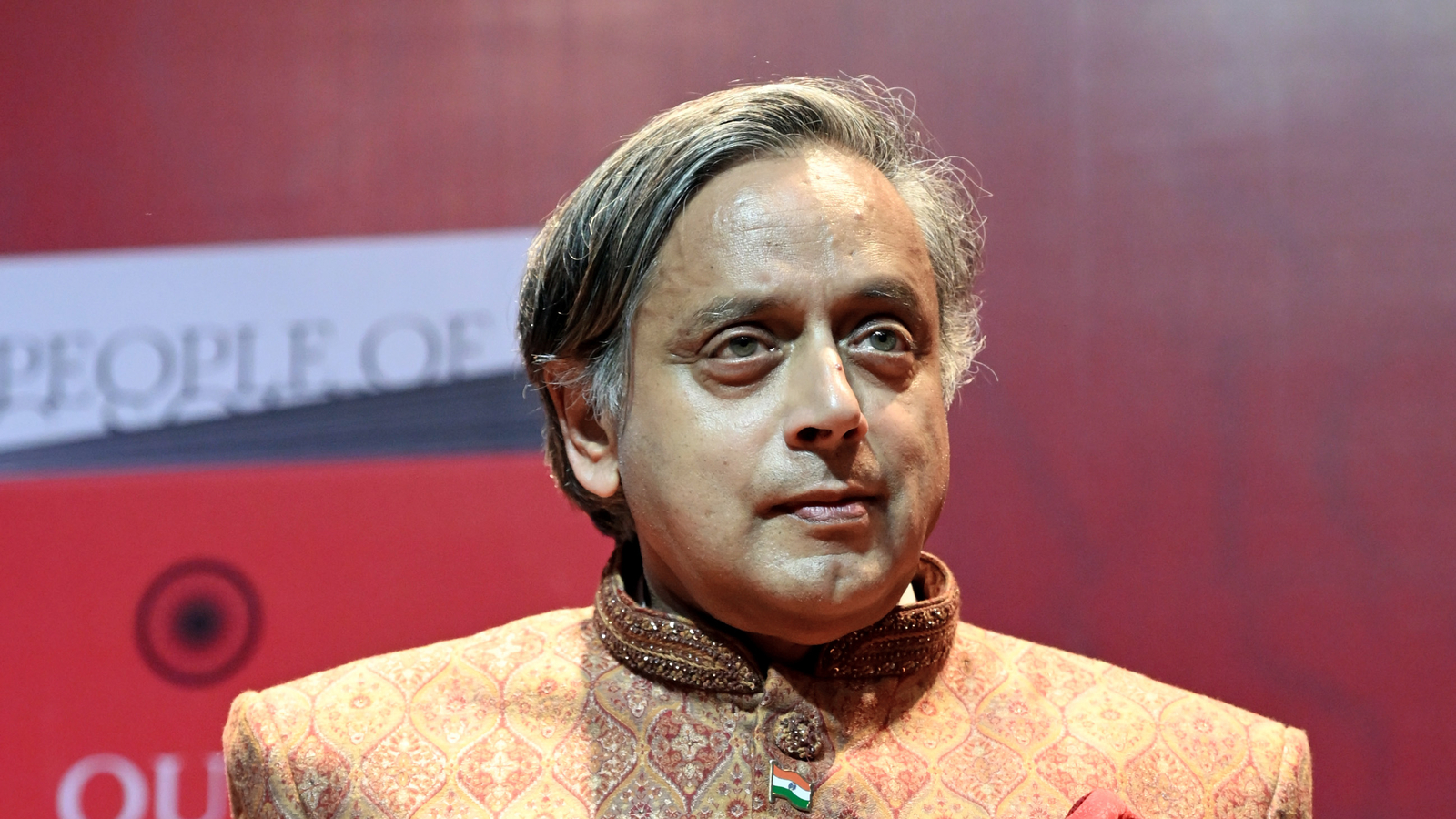
 In a major diplomatic push following Operation Sindoor, the Indian government has named senior Congress leader Shashi Tharoor as part of a high-profile, multi-party delegation tasked with exposing Pakistan’s role in sponsoring terrorism. The initiative, announced on 16 May 2025, comes in the wake of the devastating Pahalgam terror attack and India’s subsequent military response targeting terror infrastructure across the border.
A United Political Front for a Global Mission
For the first time in recent memory, the government has reached out across party lines, inviting MPs from the BJP, Congress, TMC, DMK, NCP (SP), JDU, BJD, CPI(M), and others to join the diplomatic mission. Tharoor, who also chairs the Parliamentary Committee on External Affairs, is expected to lead one of the delegations, reflecting a rare moment of political unity on national security.
The all-party delegations, comprising more than 30 MPs, will be divided into regional blocs. Over a 10-day period starting 21–22 May, they will visit key countries including the US, UK, European Union nations, Japan, South Korea, Singapore, Russia, South Africa, and several West Asian and Islamic countries. The aim is to brief foreign governments, heads of state, senior officials, and international institutions on evidence of Pakistan’s terror sponsorship and to build a global consensus against cross-border terrorism.
Tharoor’s Role and the Congress Stand
Tharoor’s inclusion is especially notable, coming just a day after he responded to his party’s “Lakshman Rekha” caution regarding public statements on India-Pakistan relations. The Congress party, after internal discussions, confirmed its participation in the initiative, with senior leaders like Manish Tewari, Salman Khurshid, and Amar Singh also named as delegates. Congress president Mallikarjun Kharge is reported to have personally approved the party’s list of representatives, underscoring the seriousness with which the opposition is approaching the mission.
Tharoor’s delegation is expected to travel to a bloc of countries in West Asia or Africa, while other Congress leaders will lead teams to Europe, the Middle East, and East Asia. Before departure, the Ministry of External Affairs will provide all delegates with detailed briefings and evidence dossiers to ensure a coordinated and effective diplomatic effort.
The Diplomatic Offensive: Objectives and Strategy
The delegations will present concrete evidence of Pakistan’s involvement in the Pahalgam attack and its ongoing support for terror groups operating in the region. The MPs will meet with foreign leaders, policymakers, and media to explain the rationale behind Operation Sindoor and to counter any misinformation about India’s actions.
Key objectives include:
- Exposing Pakistan’s role in funding and harbouring terrorist organisations.
- Building international support for India’s counter-terror operations.
- Pressing for stronger global action against states that sponsor terrorism.
- Shifting the narrative in global capitals from “India-Pakistan conflict” to “Pakistan’s terror export.”
The government hopes that by leveraging the credibility of a united, cross-party delegation, India can persuade even sceptical countries to take a tougher stance on Pakistan’s activities.
Context: Operation Sindoor and the Pahalgam Attack
The diplomatic campaign follows the 22 April terror attack in Pahalgam, Kashmir, which killed 26 civilians and was traced to groups based in Pakistan. In response, India launched Operation Sindoor on 7 May, targeting and destroying nine terror camps across the Line of Control, reportedly neutralising over 100 militants. The operation marked one of the most significant cross-border actions in recent years and has been widely covered in international media.
Political Consensus and National Interest
The government’s decision to include opposition leaders, especially vocal critics like Tharoor, is being seen as an effort to present a united front and prevent the politicisation of national security. Congress spokespersons have clarified that while the party opposes any attempt to politicise nationalism, it stands firmly with the national interest in exposing Pakistan’s terror links.
Union Minister Kiren Rijiju is said to have personally reached out to Congress president Kharge to ensure the opposition’s participation. Other prominent MPs in the delegations include Anurag Thakur (BJP), Priyanka Chaturvedi (Shiv Sena), Sasmit Patra (BJD), and John Brittas (CPI-M), among others.
Next Steps: Itinerary and Global Engagement
The delegations are scheduled to depart in the coming week, with each team assigned to specific regions. Their itinerary includes meetings with foreign ministries, parliaments, think tanks, and media outlets. The Ministry of External Affairs will coordinate logistics and messaging to ensure consistency and impact.
This diplomatic blitz is expected to last about 10 days, after which the delegations will report back to Parliament and the government on outcomes and next steps.
Summary
Shashi Tharoor’s inclusion in India’s all-party delegation marks a significant moment in the country’s diplomatic campaign to expose Pakistan’s terror activities. By uniting MPs from across the political spectrum, India aims to present irrefutable evidence on the international stage, build global consensus against cross-border terrorism, and shift the narrative toward holding Pakistan accountable. This initiative reflects both the seriousness of the security threat and the importance of national unity in confronting it.