

 Imogen King
 General Asim Munir’s tenure as Pakistan’s army chief has been marked by a relentless consolidation of power, a hardline ideological stance, and a willingness to gamble with the country’s future. While he initially managed to outmanoeuvre the civilian dispensation and silence dissent within the military, his decision to greenlight the Pahalgam terror attack has pushed Pakistan into a dangerous spiral-one that now threatens both his own position and the fragile stability of the nation.
From Shadow Player to Supreme Leader
Munir’s rise was anything but accidental. Once the ISI chief who orchestrated the Pulwama attack, he returned to the spotlight in 2022, climbing to the top of the army hierarchy after Imran Khan’s ouster. Munir’s early months as chief were defined by ruthless purges: he sidelined or removed officers suspected of loyalty to Khan, prosecuted civilians under military law, and ensured that the judiciary was cleansed of any opposition. Parliament, under his shadow, extended his tenure and removed age limits, cementing his grip until at least 2027.
He did not stop at the barracks. Through the army-manned Special Investment Facilitation Council, Munir took charge of economic policy. Amendments in parliament allowed him to supersede judges, further eroding civilian checks on military power. The message was clear: Pakistan was to be run from Rawalpindi, not Islamabad.
Calculated Risks and the Pahalgam Miscalculation
Despite his consolidation of power, Munir faced a polycrisis: economic freefall, resurgent terrorism in Balochistan and Khyber Pakhtunkhwa, and a youth population increasingly disillusioned with military rule. The hijacking of the Jaffar Express by Baloch rebels was a public humiliation, exposing the army’s declining control over restive provinces.
Feeling the heat, Munir turned once again to the old playbook-stoking anti-India sentiment. The Pahalgam attack, which targeted tourists and shattered a two-year tourism boom in Kashmir, was intended to rally the right-wing, “Jihadi Pakistan” constituency and distract from domestic failures. Munir’s rhetoric grew more hawkish, invoking religious nationalism and vowing not to forget Kashmir, even as he faced unprecedented dissent within his own ranks.
But this time, the move backfired. The Valley, united in grief and anger, condemned the attack. Kashmiris, who had benefited from peace and prosperity, saw their livelihoods threatened. Internationally, the outrage was swift, and India’s military response was decisive and overwhelming.
The Army’s Iron Grip and the Civilian Dispensability
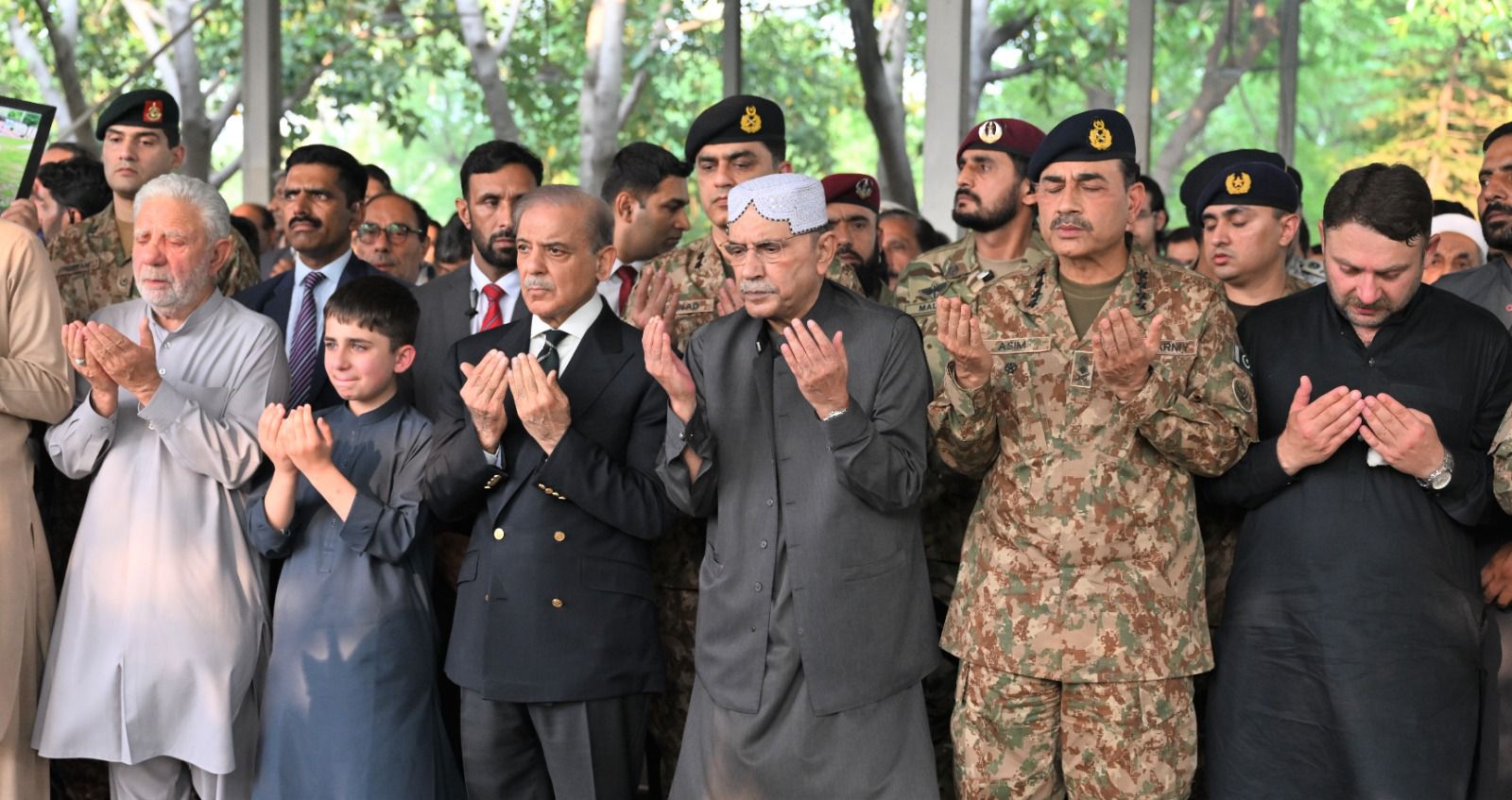
Pakistan’s so-called democracy has always been a thin veneer over military rule. With the ISI chief now installed as National Security Advisor and Prime Minister Shehbaz Sharif reduced to a ceremonial figure, the mask has slipped entirely. All key decisions-especially those involving national security and India-are now made by Munir and his inner circle. The army, ISI, and a handful of loyalists run the country, confirming what critics have long said: civilian governments in Pakistan are disposable.
Dissent Within the Ranks
Munir’s decision to drag India into the equation has not gone unchallenged. For the first time since 1971, junior and mid-ranking officers have openly questioned the wisdom of provoking a military conflict with a much stronger adversary. The army’s failures in Balochistan and the humiliation of the Jaffar Express hijacking have dented its aura of invincibility. Reports of letters demanding Munir’s resignation, and even rumours of a coup, reflect a deepening crisis of confidence within the institution.
The spectre of 1971 looms large. Officers warn that Munir’s overreach could repeat the mistakes that led to Pakistan’s dismemberment. The army’s legitimacy, already battered by accusations of political repression and economic mismanagement, is at risk of total collapse.
The Two Pakistans: Jihadi vs. Pragmatic
Munir’s strategy is clear: appeal to the hardline, “Jihadi Pakistan” base that thrives on perpetual hostility with India. This constituency, estimated to be the majority, is mobilised by religious nationalism and the myth of Kashmir as Pakistan’s “jugular vein.” But there is another Pakistan-urban, pragmatic, and desperate for stability, trade, and normal relations with its neighbours. By overplaying his hand with the Pahalgam attack, Munir has alienated this segment, risking further internal polarisation.
India’s Calculated Response
For India, Munir’s provocation has removed any ambiguity about who calls the shots in Pakistan. The Modi government’s military riposte-targeted strikes on terror camps, suspension of the Indus Waters Treaty, and diplomatic isolation-was designed to raise the cost of such misadventures. The message to Rawalpindi is unambiguous: further provocations will be met with overwhelming force, and the international community will hold Pakistan’s generals accountable.
The Road Ahead: Uncertainty and Instability
Pakistan now stands at a crossroads. Munir’s gamble may have consolidated his hold over the army and the right-wing establishment, but it has come at a steep price. The economy remains in crisis, unrest simmers in the provinces, and the army’s internal cohesion is under threat. The civilian government is sidelined, and the judiciary has been tamed.
If Munir survives the current challenge, he will do so as a supreme leader presiding over a brittle, militarised state. If he falls, Pakistan will face a leadership vacuum at a time of maximum peril. Either way, the country’s future is more uncertain than ever.
Summary
General Asim Munir’s tenure as Pakistan’s army chief has been defined by ruthless consolidation, ideological hardening, and a willingness to risk everything for personal power. By overplaying his hand with the Pahalgam attack, Munir has not only damaged Pakistan’s prospects in Kashmir and alienated its people, but has also exposed the army to unprecedented dissent and instability. With the civilian government sidelined and the army’s legitimacy at its lowest ebb in decades, Pakistan faces a period of profound uncertainty-one in which the cost of Munir’s gambit may ultimately be paid by the nation itself.