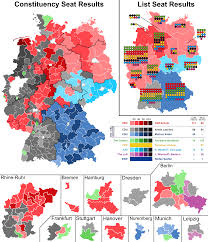
Germany is holding a snap general election on February 23rd, with opinion polls suggesting a significant shift in the political landscape, potentially leading to a new chancellor and a dramatically altered governing coalition. The election is marked by a surge in support for the far-right Alternative for Germany (AfD) and deep concerns about the economy, immigration, and the stability of the current governing coalition.
The election was precipitated by a series of events, including the dismissal of the finance minister by Chancellor Olaf Scholz and a subsequent vote of no confidence. This political turmoil has created an atmosphere of uncertainty and fueled public debate about the country’s direction.
Tesla CEO Elon Musk’s public support for the AfD has ignited a national conversation about Germany’s historical memory and the resurgence of far-right politics. Chancellor Scholz strongly condemned Musk’s endorsement, highlighting the sensitivity surrounding the issue. Opinion polls suggest the AfD could become the second-largest party in the Bundestag, capitalizing on anxieties surrounding immigration and economic stagnation.
The main contenders for chancellor include:
-
Friedrich Merz (CDU/CSU): The frontrunner from the Union party (CDU/CSU), Merz is aiming to return the Union to power after a period in opposition. The Union party consistently polls above 30%, positioning them to be the largest party in the new parliament.
-
Alice Weidel (AfD): The AfD’s candidate, Weidel, has adopted a hardline stance against immigration, advocating for border closures and the deportation of undocumented migrants. Her use of the term “remigration,” which carries historical Nazi connotations, has sparked controversy. The AfD’s strong performance in regional elections has translated into national-level support, with polls consistently placing them in second place.
-
Olaf Scholz (SPD): The incumbent chancellor from the Social Democratic Party (SPD), Scholz’s popularity has plummeted significantly. Recent polls indicate a potential loss of around 10 percentage points, placing the SPD behind the AfD and potentially vying with the Greens for third place. Internal disagreements within Scholz’s “traffic light” coalition have contributed to his declining approval ratings.
-
Robert Habeck (Greens): Germany’s current Economics Minister, Habeck, is the Green Party’s candidate. While the Greens are unlikely to become the largest party, they could play a crucial role in forming the next government.
Two dominant themes have shaped the election campaign:
-
Immigration: A series of high-profile crimes allegedly committed by asylum seekers or migrants have fueled public anxieties and contributed to the AfD’s rise. Chancellor Scholz’s recent reintroduction of border checks reflects an attempt to address these concerns and win back voters.
-
Economy: Germany’s stagnating economy is a major concern for voters. The country’s GDP has shrunk for two consecutive years, highlighting the need for economic reform. This economic uncertainty has further contributed to the political instability and the public’s dissatisfaction with the current government.
The German election is a pivotal moment for the country. The potential rise of the far-right AfD, coupled with the economic challenges and the decline in support for the incumbent chancellor, signifies a period of significant political transformation. The outcome will have far-reaching consequences for Germany’s domestic and foreign policies, particularly regarding its approach to immigration and its role within the European Union. The formation of a new coalition government will be a complex process, given the diverse range of political viewpoints and the potential for significant power shifts.






 Eleanor Thompson