



 Dorothy Brown
 The shocking beheading of a Karnataka-origin Indian man in Dallas, Texas, has reverberated across India and the global Indian diaspora, causing widespread condemnation and calls for justice. The brutal killing, captured on CCTV, unfolded in broad daylight at a motel where the victim worked, intensifying fears about violence against immigrants and raising diplomatic concerns about the safety of Indians abroad.
The Incident: A Horror in Dallas
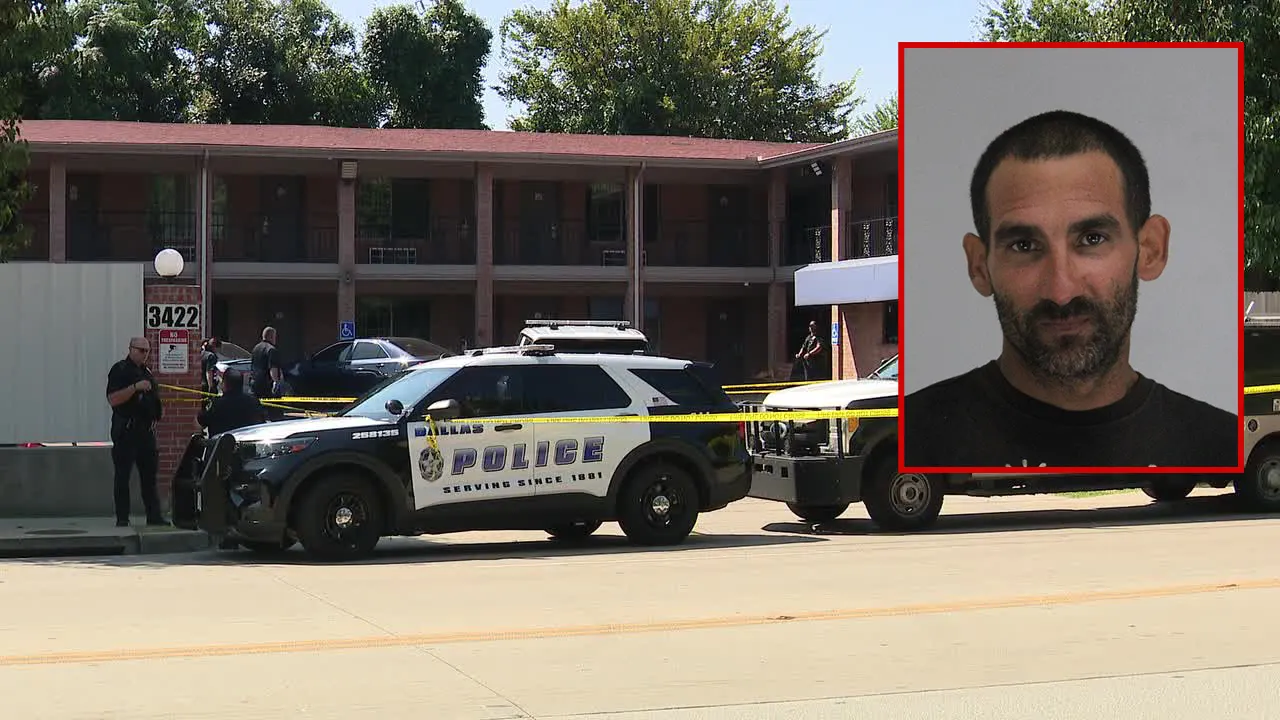
Chandra Nagamallaiah (also known as Chandra Mouli “Bob” Nagamallaiah), a 50-year-old Indian-origin motel manager from Karnataka, was viciously attacked and beheaded on 10 September 2025 at the Downtown Suites motel in Dallas, Texas. The accused, Yordanis Cobos-Martinez, a 37-year-old Cuban immigrant with a documented history of violent crimes and prior arrests across multiple states, assaulted Nagamallaiah with a machete.
The incident began over a dispute regarding a broken washing machine at the motel. According to witnesses and police reports, Nagamallaiah had asked Cobos-Martinez not to use the faulty washing machine. The accused became enraged when Nagamallaiah requested a female colleague to translate his instructions rather than speaking to him directly. This communication breakdown escalated rapidly into violence.
CCTV footage widely circulated online depicts the brutal chase and assault, showing Nagamallaiah fleeing to the motel office where his wife and 18-year-old son tried to intervene. Despite their efforts, Cobos-Martinez pushed them aside and executed the beheading in full view of the family. The accused then kicked the severed head before disposing of it in a dumpster.
The Accused: A Troubled Past and Immigration Issues
Yordanis Cobos-Martinez had an extensive criminal record, including violent theft and child endangerment charges. He had been detained by U.S. Immigration and Customs Enforcement (ICE) multiple times and held in jails across California, Florida, and Texas. Despite a final deportation order, Cuba refused to accept him due to his criminal background, leading to his release and continued undocumented status in the United States.
Authorities arrested Cobos-Martinez on charges including capital murder. During interrogation, he reportedly confessed to the crime. Due to the severity of the case and immigration hold, he remains in custody without bond, facing the possibility of life imprisonment or the death penalty.
The incident has reignited debate about the effectiveness of immigration enforcement policies in the United States and the dangers posed by undocumented individuals with violent histories remaining free on the streets.
India’s Response: Condemnation and Diplomatic Action
The Government of India strongly condemned the gruesome killing. The Indian Consulate General in Houston has been actively coordinating with local authorities and supporting Nagamallaiah’s family, providing necessary consular assistance and undertaking welfare measures.
Prime Minister Narendra Modi expressed deep sorrow and outrage at the brutal murder of an Indian citizen abroad. The Ministry of External Affairs (MEA) assured that India is monitoring the investigation closely and called for swift justice to be served. Officials emphasised that the government remains committed to protecting the rights and safety of Indian nationals worldwide.
In addition, Indian-origin congressional leaders in the U.S., including Congressman Ro Khanna, voiced horror over the incident, demanding stricter immigration enforcement and criminal justice reforms to prevent such tragedies in the future.
Community Impact: Grief and Fundraising Support
The victim’s passing has sent shockwaves through Dallas’s Indian and wider South Asian communities. Vigils and candlelight memorials have been held in honour of Nagamallaiah, with friends and fellow migrants expressing grief and urging greater public awareness about immigrant safety.
A fundraiser initiated to support Nagamallaiah’s wife Nisha and son Gaurav, who witnessed the attack, has so far raised nearly $200,000 to cover funeral expenses and provide educational support for the family.
Community organisations condemned the violence as symptomatic of broader issues, including xenophobia, workplace tensions, and systemic failures to protect immigrant workers. They called for both local and national efforts to increase security and cultural understanding.
Historical Context: Violence Against Indian Immigrants Abroad
While this beheading is among the most shocking, Indian expatriates in various countries have, over the years, faced violent attacks often accompanied by racial and ethnic tensions. Incidents ranging from workplace violence in the Middle East to fatal assaults in Western countries spotlight vulnerabilities faced by Indians living abroad.
The murder has reignited conversations on social and legal protections for migrant workers, the challenges of integrating ethnically diverse populations, and the responsibilities of host nations to ensure the safety of all residents.
U.S. Authorities and Immigration Policy Debate
The Dallas Police Department, working with ICE and federal agencies, continues to investigate the murder. Authorities emphasise that the accused’s release despite a history of serious offences and a deportation order raises urgent questions about immigration system loopholes.
Public discourse in the U.S. has been reignited around policies concerning illegal immigration, deportation enforcement, and criminal justice reform. This incident is cited by some to justify tougher border and internal security measures, while others stress the need for comprehensive immigration reform that balances enforcement with community integration and human rights.
Summary
The brutal beheading of Karnataka-origin motel manager Chandra Nagamallaiah in Dallas has shocked and saddened people across India and the diaspora globally. The incident highlights enduring vulnerabilities faced by Indian migrants abroad and provokes urgent calls for justice, improved immigrant protections, and immigration policy reform in the United States. India’s government and community leaders continue to demand swift action and provide support to the victim’s bereaved family during this harrowing time.